Claremont committee reviews Joy site smokestack cleanup plan, schedule lagging
The committee’s smokestack review could set the pace, cost and final use of the 6.9-acre Joy site as Claremont pushes its brownfields plan ahead.
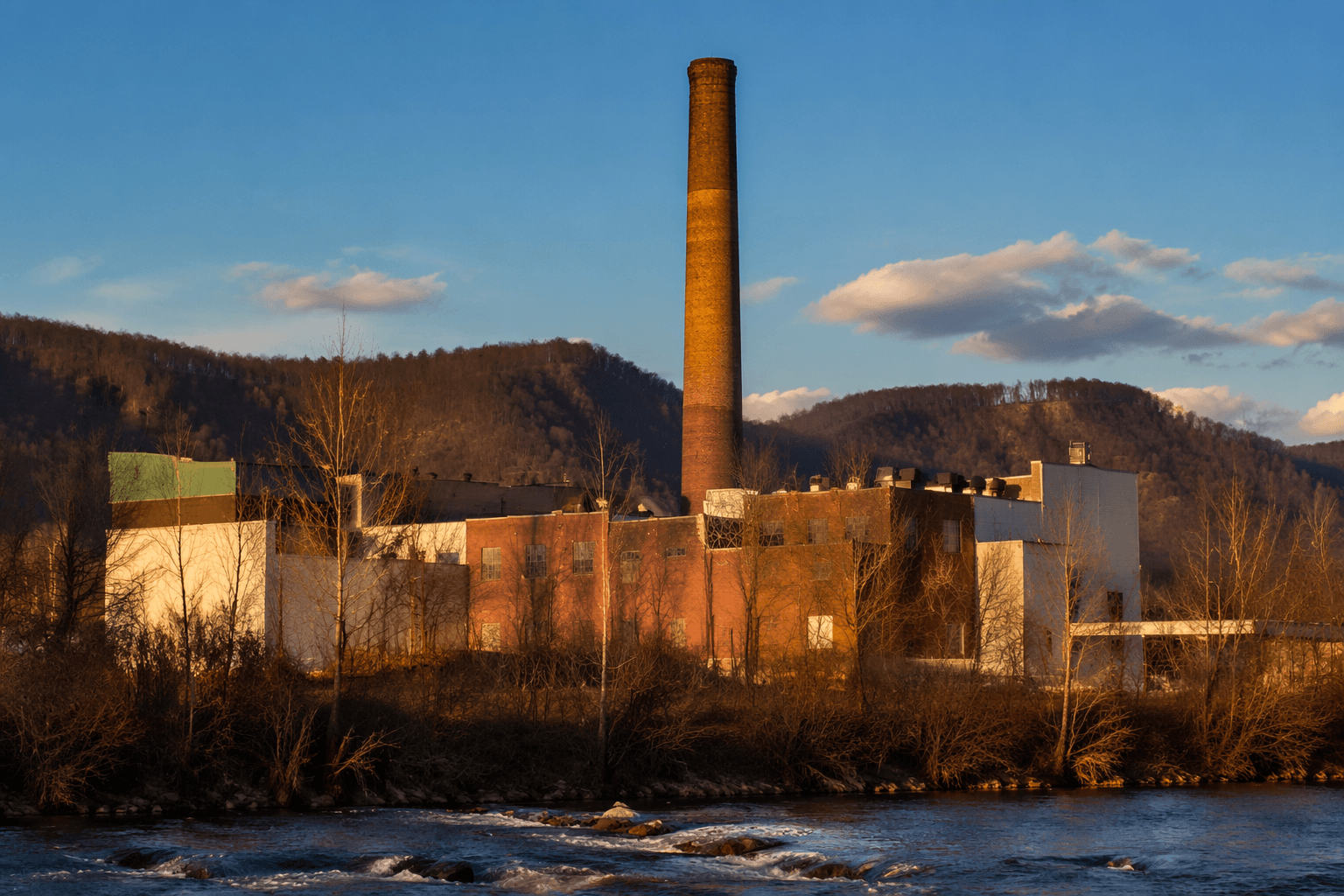
Claremont officials spent June 3 weighing a choice that could determine how fast the Joy site moves from industrial liability to public space: whether to keep advancing a risk-based smokestack cleanup plan now, or accept more delay while New Hampshire environmental regulators review soil contamination, wetlands constraints and demolition steps.
Todd Bridgeo of Weston & Sampson briefed the city’s EPA Steering Committee on the Joy site and the proposed smokestack plan, with the discussion focused on a risk assessment and contamination concerns in soil near the stack. The committee packet said that report will be sent to the New Hampshire Department of Environmental Services, and that the proposal still must clear agency review before the city can move into broader public participation. That means the project remains in the planning and permitting stage, not construction, even as the city tries to keep redevelopment options open.
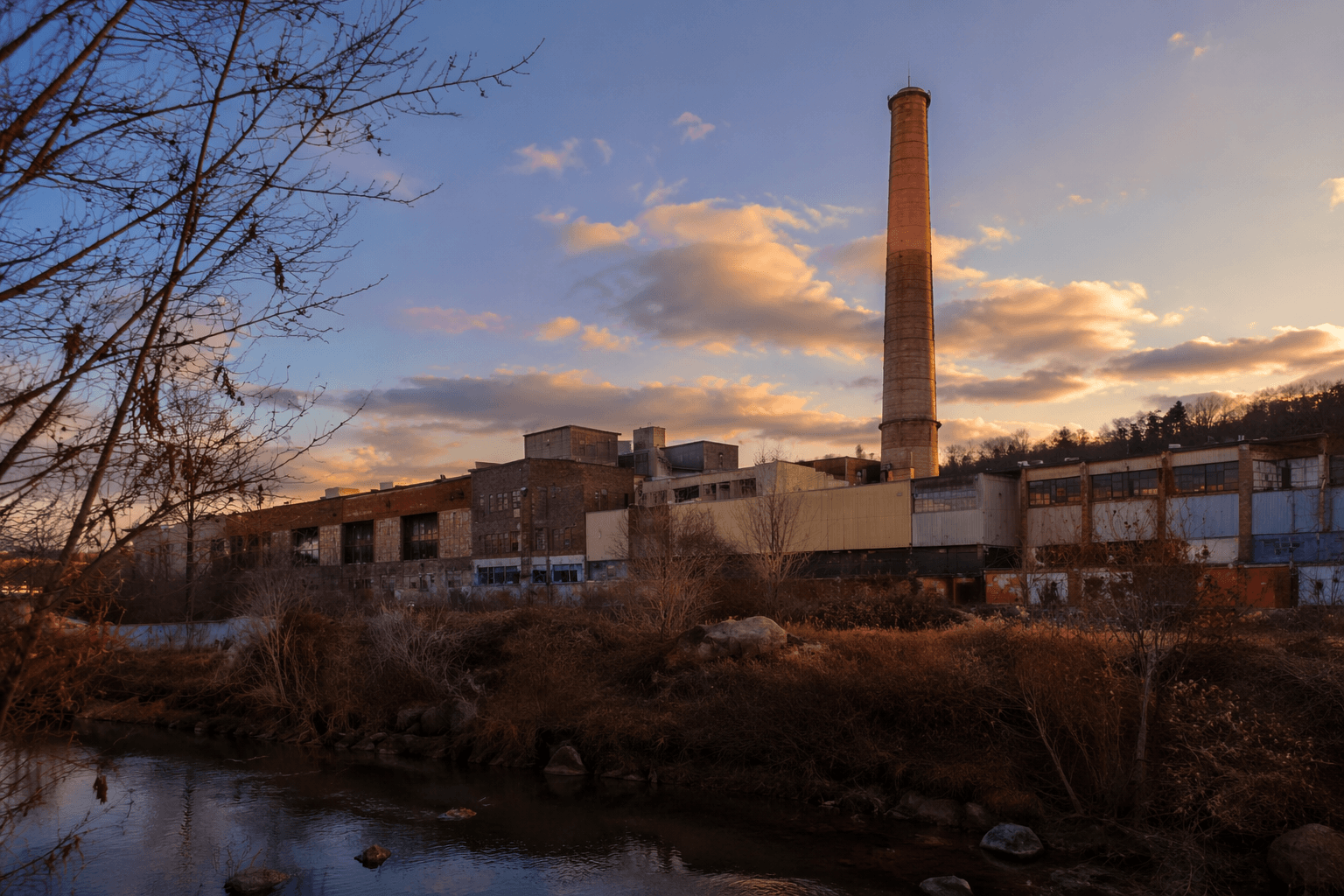
The timing matters because Claremont’s brownfields program is built around an $800,000 EPA Multipurpose Grant that can be used for up to five years at priority sites along the northern side of the Sugar River. EPA materials describe the Joy Manufacturing and Foundry property as 6.9 acres, and the grant also covers the former Synergy or Monadnock Gas Works site. City materials say Weston & Sampson was selected after an RFP and interviews with engineering firms, EPA consultants and city planning staff.
The current plan is being shaped as a site-specific, risk-based cleanup aimed at passive recreation. That approach is meant to be more cost-effective, but the packet noted it would change if the intended use of the property changes later. Weston & Sampson’s broader redevelopment concept calls for improved access to the Sugar River, flexible open space for events and public gathering, a multi-use trail system with ADA-compliant access, and play and educational areas for children.
The June 3 discussion also sat on top of years of earlier work. A New Hampshire Department of Environmental Services blog says a May 2023 site reuse assessment included community engagement, and an August 2023 EPA assistance effort added market assessment, stakeholder interviews and reuse options. Committee materials from earlier meetings said the smokestack was not full of asbestos, that the city had $200,000 in grant funds for soil remediation, and that wetlands near the stack require additional EPA approval before demolition-related work can proceed.
The schedule is already lagging, a reminder that brownfield cleanup often moves by regulatory milestone rather than local wish list. For Claremont, the decision now is not just how to handle a smokestack on North Street and River Road, but how much time and money the city is willing to spend to keep the Joy site headed toward a public use that can still change with the next round of planning.
This article was produced by Prism’s automated news system from verified source data, official records, and press releases, then run through automated quality and moderation checks before publishing. The system is built and supervised by the people who set the standards it runs under. Read our full AI policy.
Know something we missed? Have a correction or additional information?
Submit a Tip