Claremont exhibit spotlights the city’s school history
Claremont’s free summer exhibit puts Stevens Alumni Association material, historical society pieces and private school collections on display through September.

Claremont opened a free summer exhibit built from school memorabilia, photographs and artifacts that trace the city’s education history from older neighborhood schools to Stevens High School. The display, titled Claremont Schools, will remain open to the public through September, and the city said it will hold a closing reception in late summer after school resumes.
The exhibit brings together material from the Stevens High School Alumni Association, the Claremont Historical Society and private collections assembled by Wayne McElreavy and Nick Koloski. In a city where generations of residents have passed through the same schools, met the same teachers and later returned as alumni, parents, volunteers or local officials, the collection turns that history into a public display rather than a private archive.
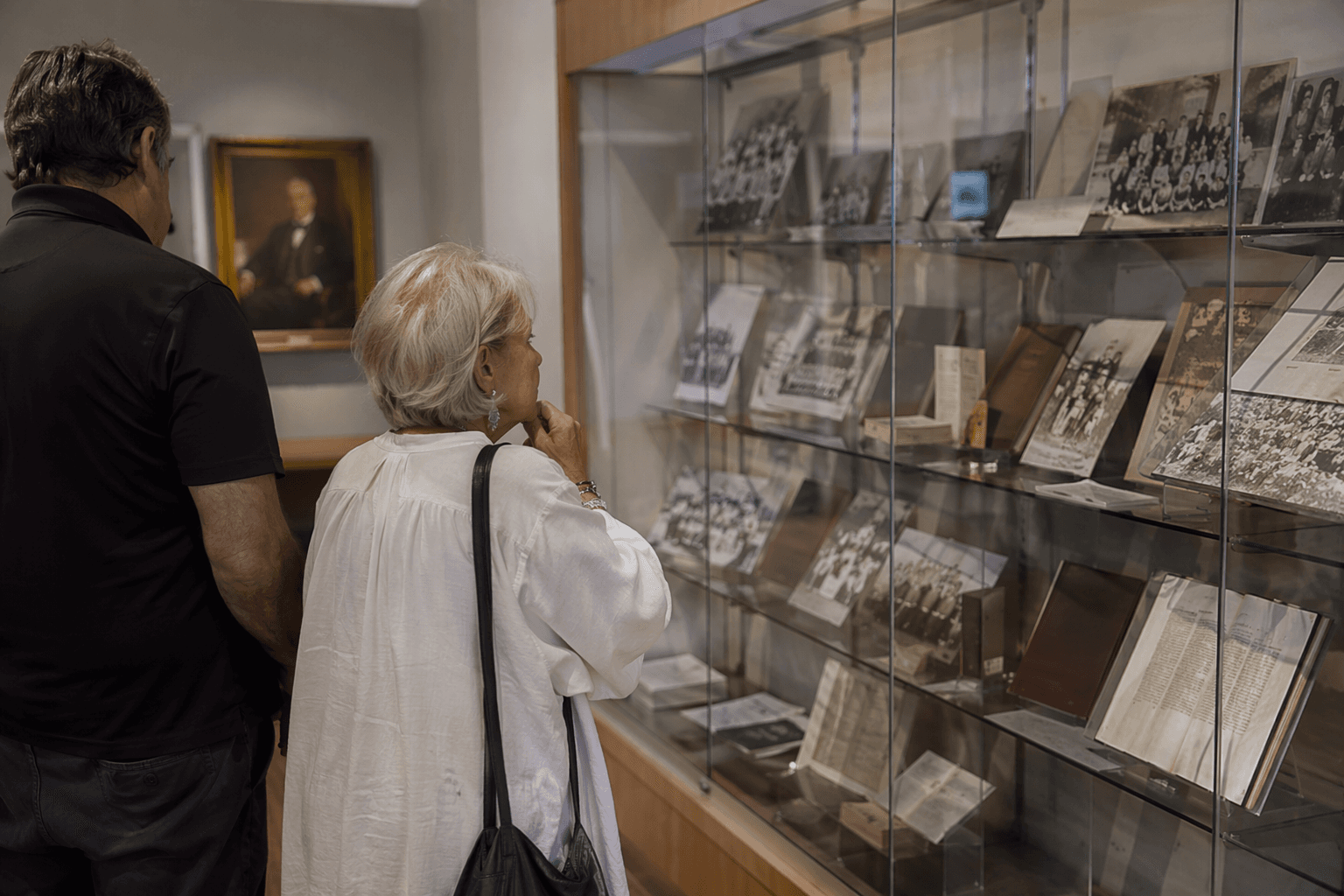
The timing also lines up with a broader local effort to identify what remains from Claremont’s earlier school buildings. At a June 9 meeting of the Arts, History and Culture Resources Preservation Commission, members discussed an exhibit transition centered on public schools in Claremont and referenced Way School, North Street School, High Street School, West Terrace Street School and St. Mary’s. One commission note said there were two North Street School buildings, including one at the end of the Visitor’s Center lower lot.
The Stevens High School Alumni Association, one of the contributors, says it is the longest-running high school alumni association in the U.S. The group says Stevens High School opened in 1868 from a gift built from Paran Stevens, and it is now raising money to support students’ extracurricular activities after those programs were cut from the Claremont School District budget because of a deficit.
That detail gives the exhibit a present-day edge. The same schools that shaped Claremont family identity, neighborhood memory and alumni pride are still tied to current questions about what students can do after class, how programs get funded and what the community chooses to preserve.
This article was produced by Prism’s automated news system from verified source data, official records, and press releases, then run through automated quality and moderation checks before publishing. The system is built and supervised by the people who set the standards it runs under. Read our full AI policy.
Did this article answer your question?