Claremont school board flags missing audits and shrinking cash balance
Claremont school board members pressed for answers on missing audits, administrator pay and a thinner cash balance as the district still wrestled with a 2025 deficit.
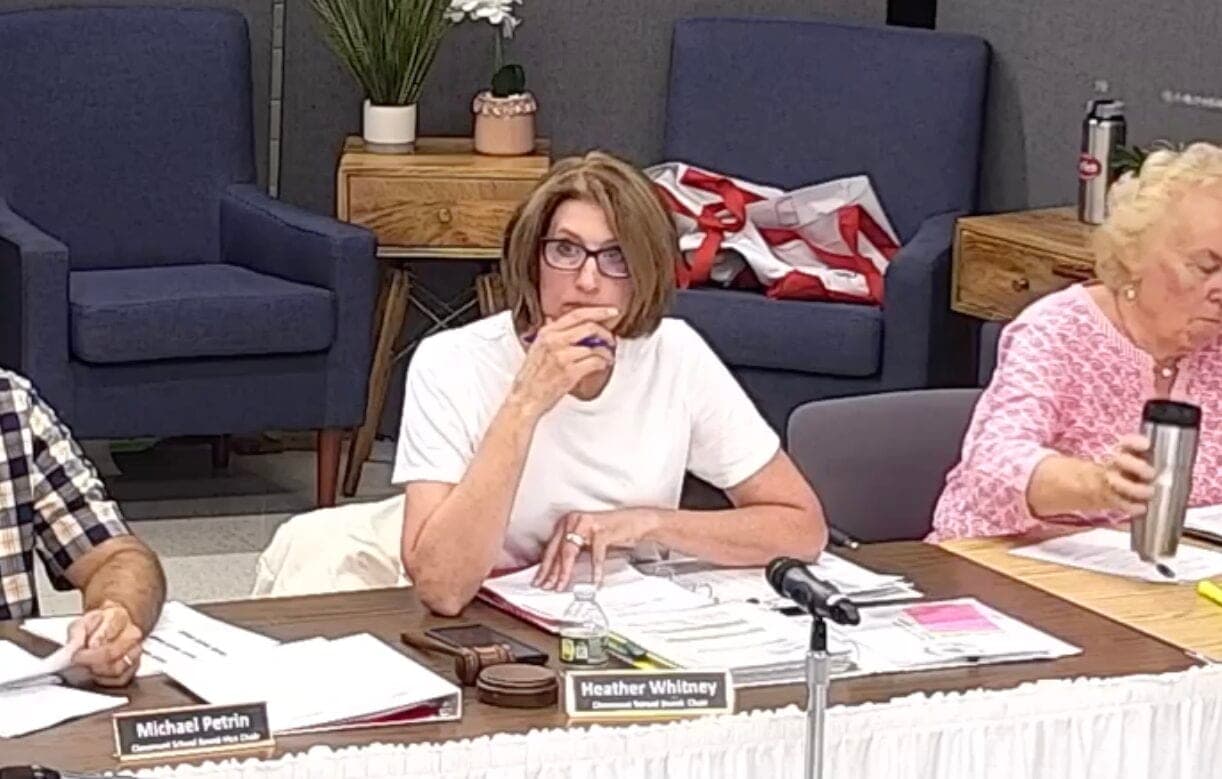
Missing audits, questions about administrative pay levels and a shrinking cash balance put Claremont’s finances back under a harsh light at the June 17 school board meeting. The latest round of scrutiny, highlighted in a June 22 thread by MeetingWatchNH, underscored how the district’s unresolved accounting problems still pose a real risk to school operations and to the taxpayers footing the bill.
The concerns landed in a district that disclosed a deficit of roughly $1 million to $5 million in August 2025. Heather Whitney, the Claremont School Board chair, said at the time that the shortfall threatened payroll, health benefits and day-to-day operations. That disclosure turned Claremont into a statewide warning case for how quickly incomplete books can become an education crisis in Sullivan County.

State officials moved in quickly last summer. On Aug. 25, 2025, Gov. Kelly Ayotte ordered the New Hampshire Department of Education to make sure Claremont completed independent financial audits. Commissioner Caitlin Davis said her department was working directly with Claremont on immediate cash-flow issues so the schools could stay open. The message from Concord was clear: the district could not wait for the numbers to sort themselves out on their own.
Claremont still had not cleared all the accounting fog by late September. In a district post on Sept. 24, 2025, Interim Superintendent Kerry S. Kennedy said new accounting issues had been found and had to be unraveled before updated financial information could be shared. Kennedy said interim business administrator Matt Angell had uncovered several new accounting problems, a sign that the district’s financial troubles were deeper than one bad ledger entry or one missed filing.
By June 2026, the strain was still visible. SAU#6 posted on June 17 that Claremont Savings Bank was returning more than $10,000 in interest to the district on a $4 million loan, a reminder that outside borrowing remained part of the district’s cash-flow survival plan. The district has already cut funding and staff to stay operational since the deficit was revealed.
The broader policy fallout has also reached Concord. A 2026 legislative report said Claremont’s audit failure helped drive a bill requiring annual school audits, after lawmakers noted that only 7% of districts file audits within six months of the end of the fiscal year. The proposal would not put state adequacy aid at risk, but it could withhold other aid, including special education, building aid, career and technical education and transportation aid. For Claremont, the central question remains the same: until the audits are finished and the books are reconciled, no one can say with confidence how much money the district really has or what comes next.
This article was produced by Prism’s automated news system from verified source data, official records, and press releases, then run through automated quality and moderation checks before publishing. The system is built and supervised by the people who set the standards it runs under. Read our full AI policy.
Did this article answer your question?