Claremont school deficit drops to $1 million as cuts continue
Claremont's school deficit is down to about $1 million, but layoffs, property sales and state audits show the budget crisis is still not over.
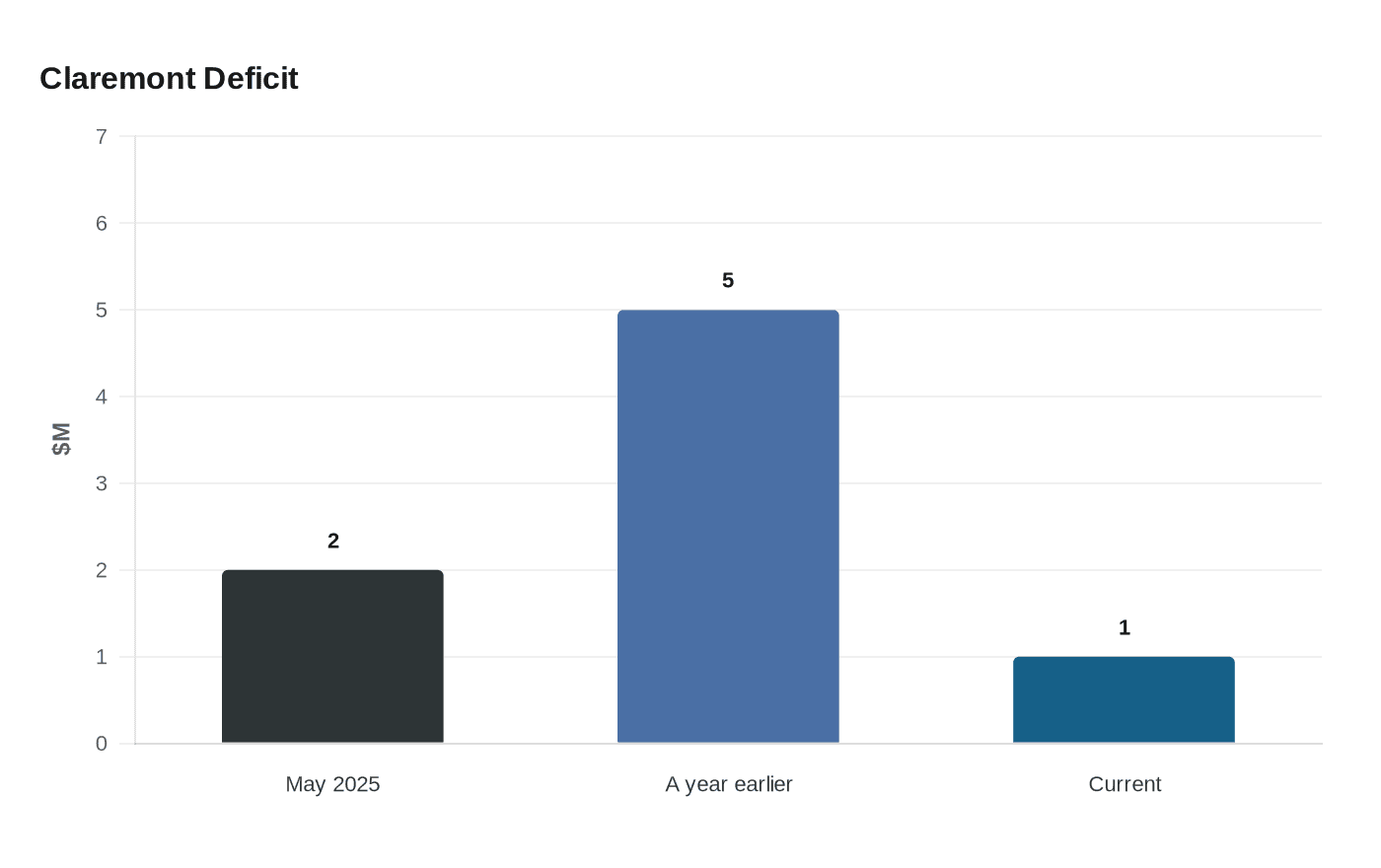
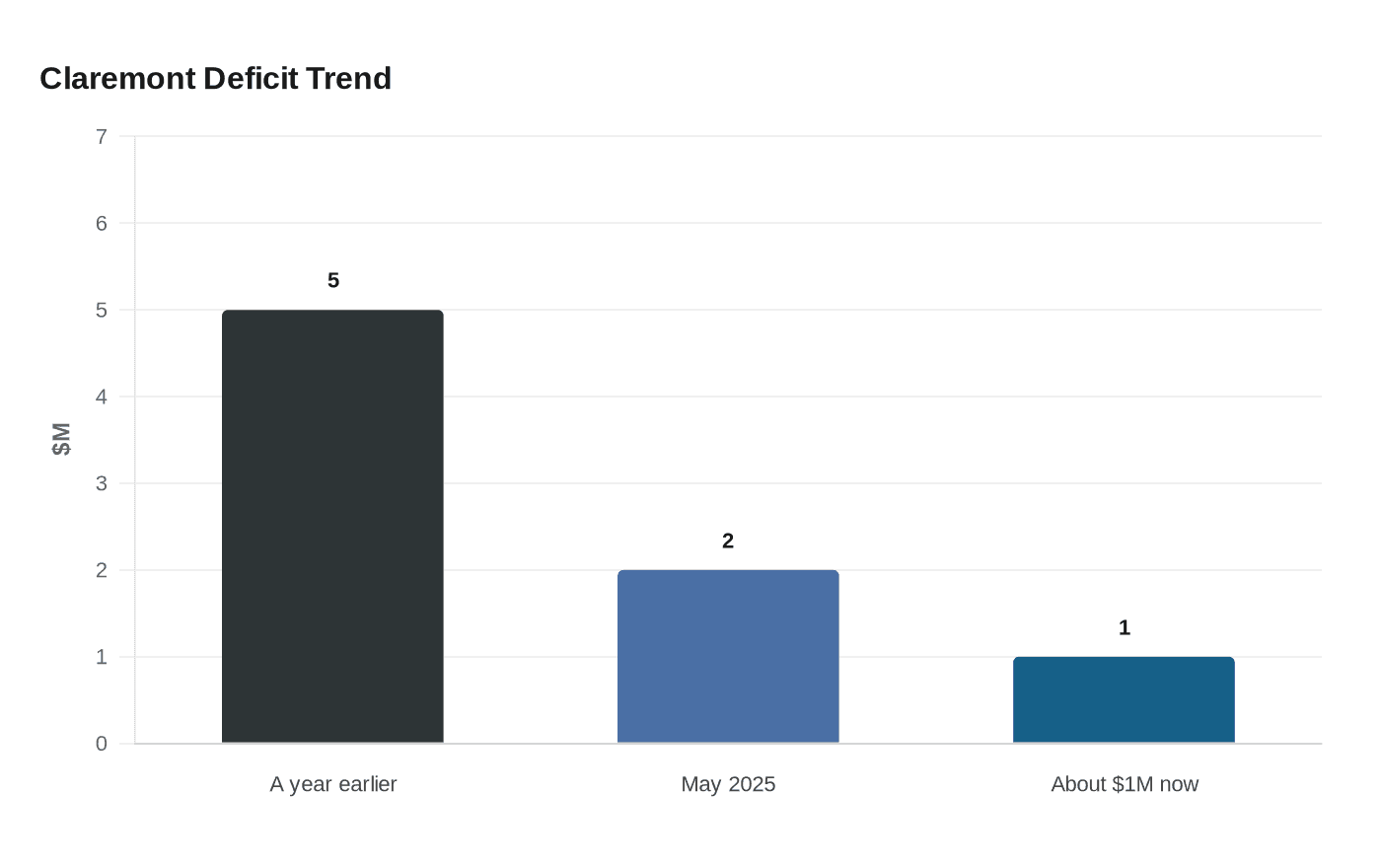
Claremont School District has cut its deficit to about $1 million, down from roughly $5 million a year earlier, but the hard part is not finished. District leaders are still trying to minimize spending and sell properties, a sign that the gap has narrowed without being closed and that staffing, programs and day-to-day operations remain under pressure.
The improvement follows a year of severe retrenchment. The district first uncovered a $2 million deficit in May 2025, then later said the shortfall could range from $1 million to $5 million before the full scope became clear. As the numbers worsened, Claremont cut 39 positions, nearly half of them new teachers and paraprofessionals, and extracurricular activities, including athletics, were cut or sharply reduced to keep schools running.

The fiscal crisis also pulled in state government. On Aug. 25, 2025, Gov. Kelly Ayotte ordered the New Hampshire Department of Education to make sure the district completed independent financial audits, and Education Commissioner Caitlin Davis said the state was working directly with Claremont schools to address immediate cash-flow issues and keep schools open. By November, the problem had become large enough to shape policy in Concord, where the New Hampshire Senate Education Committee adopted an amendment creating the School District Adequacy Revolving Loan Fund concept. The measure would let districts borrow against state education adequacy payments, but only with monthly reporting and both performance and financial audits attached.
The district is now trying to stabilize finances while managing leadership changes as well. Claremont Middle School principal resigned on May 18, 2026, adding to the strain on a system already dealing with cuts and scrutiny. State education documents identify Claremont as SAU 6, and New Hampshire Department of Education materials show the district had already been under federal compliance monitoring in prior years, a reminder that questions about controls have followed the district for some time.
For Claremont taxpayers and families, the key question is not whether the deficit has shrunk. It is whether the district can hold the line long enough to avoid more layoffs, more reductions and more disruption before the next budget cycle forces another round of decisions.
This article was produced by Prism’s automated news system from verified source data, official records, and press releases, then run through automated quality and moderation checks before publishing. The system is built and supervised by the people who set the standards it runs under. Read our full AI policy.
Know something we missed? Have a correction or additional information?
Submit a Tip