Claremont schools face $5 million deficit, state orders audits
State officials ordered audits after Claremont schools revealed a deficit topping $5 million, a shortfall now tied to payroll, health benefits and school stability.
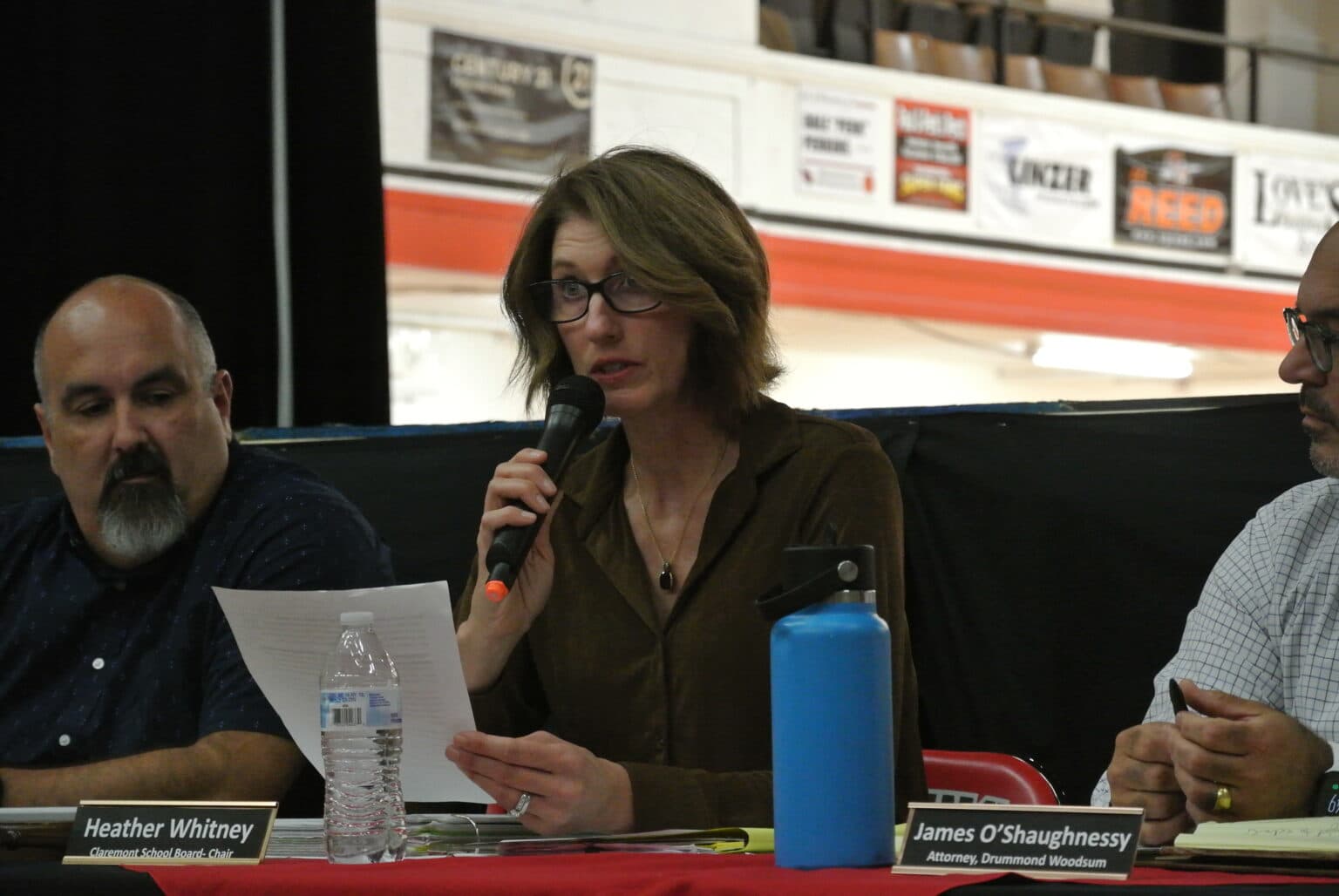
Claremont’s school finances unraveled into a deficit of more than $5 million, and state officials moved quickly to force outside audits as the 1,500-student district struggled to keep payroll, health benefits and classrooms functioning.
In an Aug. 20, 2025 letter to School Board Chair Heather Whitney, New Hampshire Department of Education Commissioner Caitlin Davis said the agency was aware of the district’s “serious financial challenges” and would work with Claremont on immediate cash-flow problems, closing FY2025 books, completing required financial audits and putting stronger budget controls in place. Davis also said the district would need regular updates to maintain transparency.

Five days later, Gov. Kelly Ayotte ordered the Department of Education to ensure Claremont completed independent financial audits. By then, the deficit had already become public, and district officials later confirmed the shortfall was more than $5 million, leaving SAU 6 scrambling to cover obligations and keep schools open.
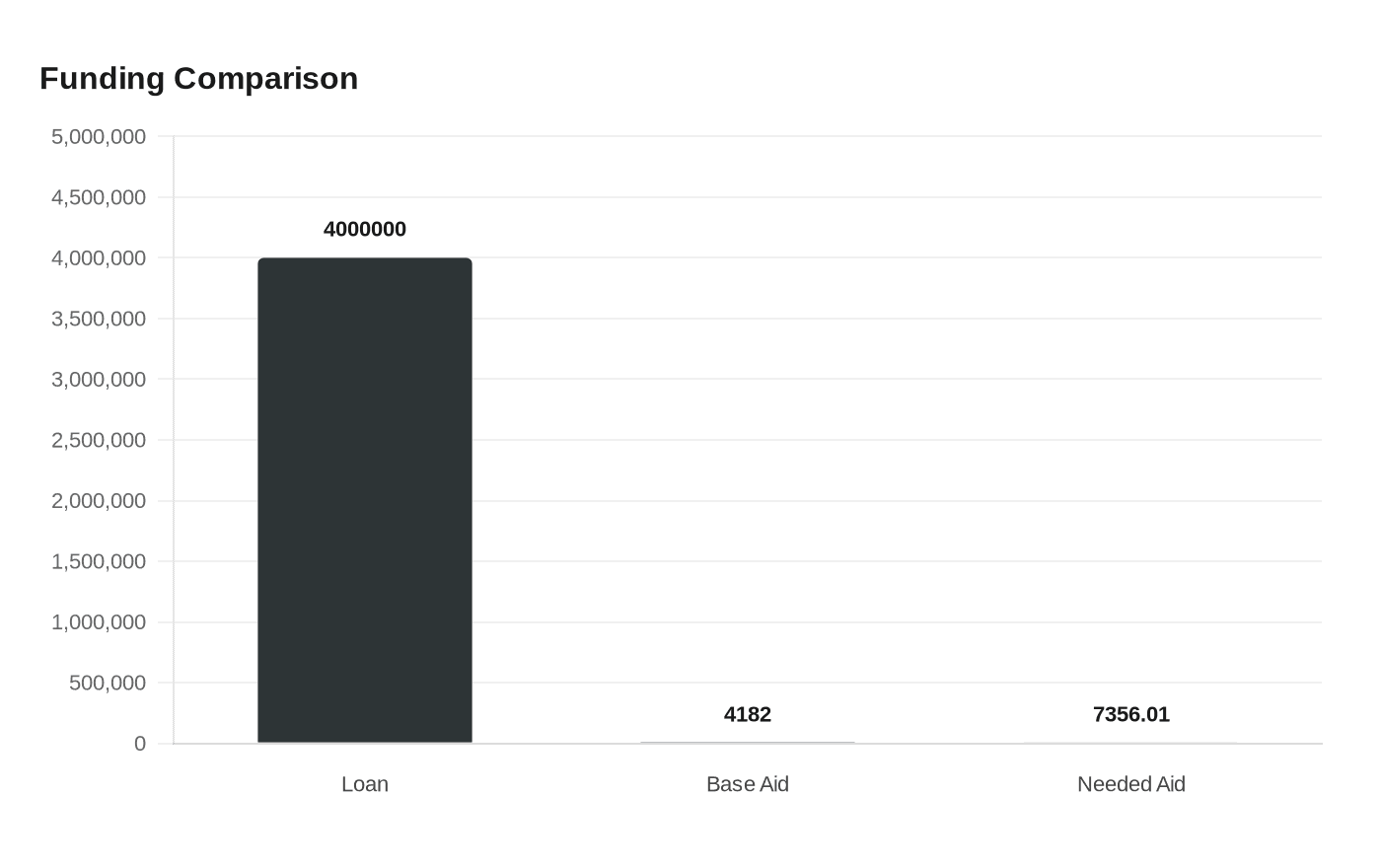
The pressure reached deep into household finances and school operations. The district secured a $4 million short-term bank loan in September 2025 to cover costs and keep classes running, a stopgap that underscored how close Claremont had come to missing basic expenses. Officials also said the crisis affected payroll stability and health benefits, making the problem immediate for employees and families, not just a line item on a budget sheet.
The fallout spread to Concord, where lawmakers and state education officials tried to determine how the crisis happened and how to stop it from repeating elsewhere. On Nov. 18, 2025, Senate Education Committee Chair Ruth Ward said the district had suffered from “gross financial mismanagement” and backed an amendment creating a School District Adequacy Revolving Loan Fund, which would let districts borrow against future state adequacy aid under added audit and reporting requirements.
Claremont’s collapse also exposed the limits of New Hampshire’s school funding model. For FY2025, the state’s base adequacy aid was $4,182 per ADM, with extra aid for students who were FRL-eligible, had IEPs or were English learners. State officials said that adequacy aid had reached its highest per-pupil level even as enrollment continued to fall, but the increase has not insulated districts from rising costs.
That problem sits inside a larger legal fight. On July 1, 2025, the New Hampshire Supreme Court ruled in Contoocook Valley School District v. New Hampshire that the state’s adequacy formula does not meet constitutional requirements, citing a 2023 Superior Court finding that at least $7,356.01 per student would be needed for an adequate education. For Claremont, the result was a crisis that now looks like both mismanagement and a state-policy failure, with local taxpayers, employees and students left to absorb the consequences.
Know something we missed? Have a correction or additional information?
Submit a Tip