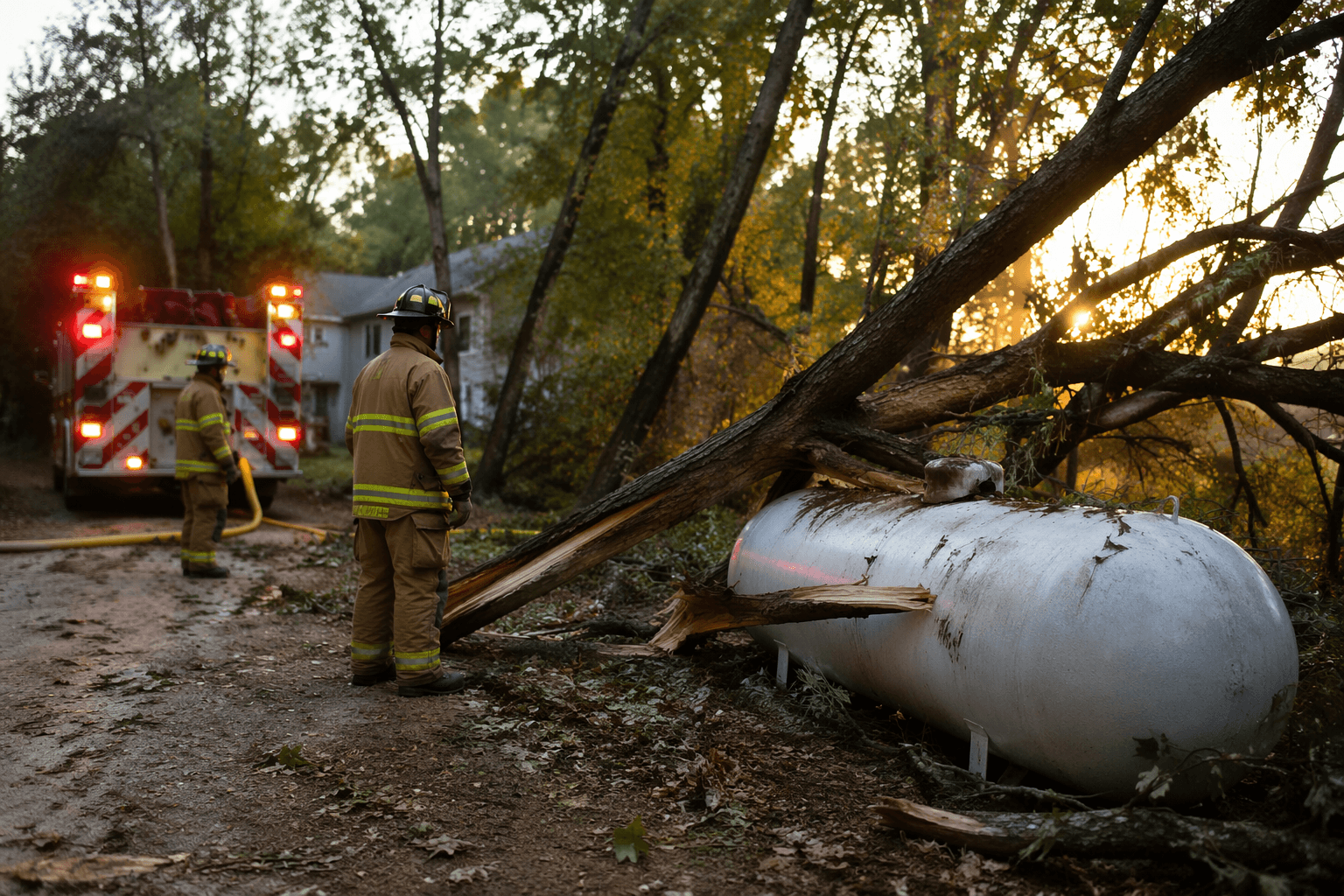
Drought, wind fuel brush fires, Sullivan County crews join regional response
Dry, windy conditions turned a weed-burning spark in West Windsor into a 2.5-acre fire and pulled Sullivan County crews into a wider Upper Valley response.

A weed-burning torch in West Windsor turned into a 2.5-acre brush fire near several houses on Delano Road, and Sullivan County departments were among the crews pulled into the regional response as dry, windy conditions kept Upper Valley firefighters busy.
The fire, which broke out Friday, was part of a stretch of multiple brush fires across the Upper Valley in recent days. Eleven other New Hampshire fire departments provided mutual aid, including Claremont, Croyden, Springfield, Newbury, Unity, Grantham, Goshen, New London, Sunapee, Lempster and Washington, showing how quickly a local blaze can outrun one town’s own resources. For Sullivan County, the response highlighted how closely towns such as Claremont, Sunapee and Lempster are tied to one another when the weather turns hazardous.
State fire officials have been warning that spring burning is not routine this year. The New Hampshire Division of Forests and Lands posts a daily fire danger classification each weekday morning and posts the weekend classification Friday afternoon, and it says anyone doing outdoor burning in New Hampshire needs a fire permit unless snow is on the ground. With dry grass, brush and wind all in play, even a small ignition source can push a fire toward homes, roads and utility lines before crews can fully contain it.
The risk has built over time. New Hampshire went through every month from last June through early April with below-average precipitation, totaling 20.9 inches at Concord Municipal Airport compared with a 32.9-inch average over the same nine-month stretch. A National Weather Service drought snapshot taken April 2 described Hillsborough and Cheshire counties as abnormally dry, with the rest of the state in moderate or severe drought. That kind of dryness can leave roadsides, field edges and woodlots primed to ignite when temperatures rise and winds pick up.
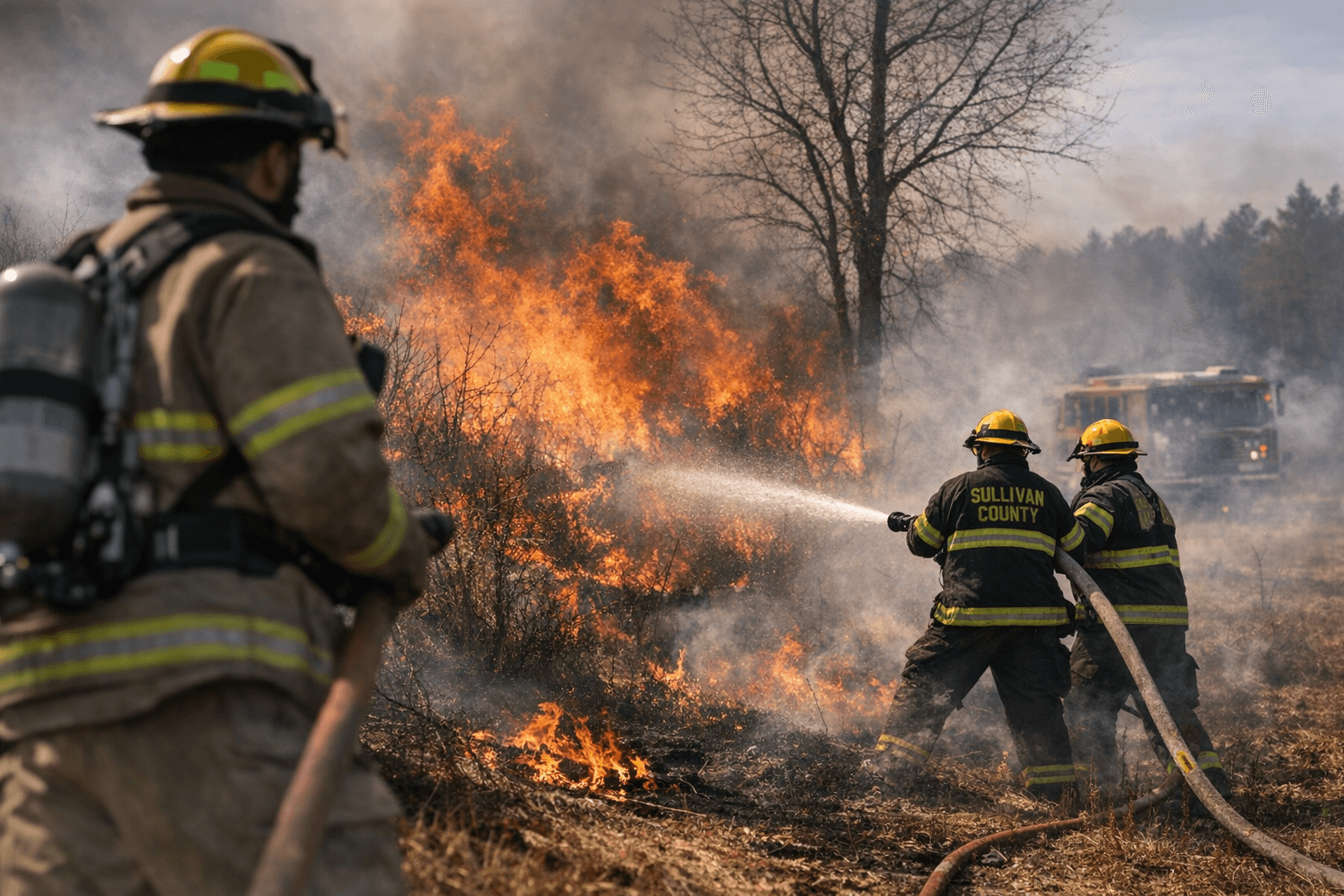
Behind each brush fire is a strain on volunteer departments that already have limited staffing. Crews have to coordinate engines, water supply, access routes and backup coverage while protecting nearby homes and keeping other calls covered. Statewide, more than 2,300 Forest Fire Wardens, deputy wardens and special deputy wardens are authorized to issue permits and enforce forest fire laws, but the first line of response still falls on local departments.
The state also points to equipment aid through Volunteer Fire Assistance grants. In 2023, 43 communities received a combined $65,313.63 for wildfire equipment, a reminder that brush-fire season is also a test of whether small-town fire services have the tools to keep up when one spark turns into a regional incident.
This article was produced by Prism’s automated news system from verified source data, official records, and press releases, then run through automated quality and moderation checks before publishing. The system is built and supervised by the people who set the standards it runs under. Read our full AI policy.
Did this article answer your question?