Grantham Conservation Commission to host invasive species workshop June 17
Grantham will turn a June workshop into a practical warning: invasive plants are already raising upkeep costs on shorelines, roadsides and yards across town.
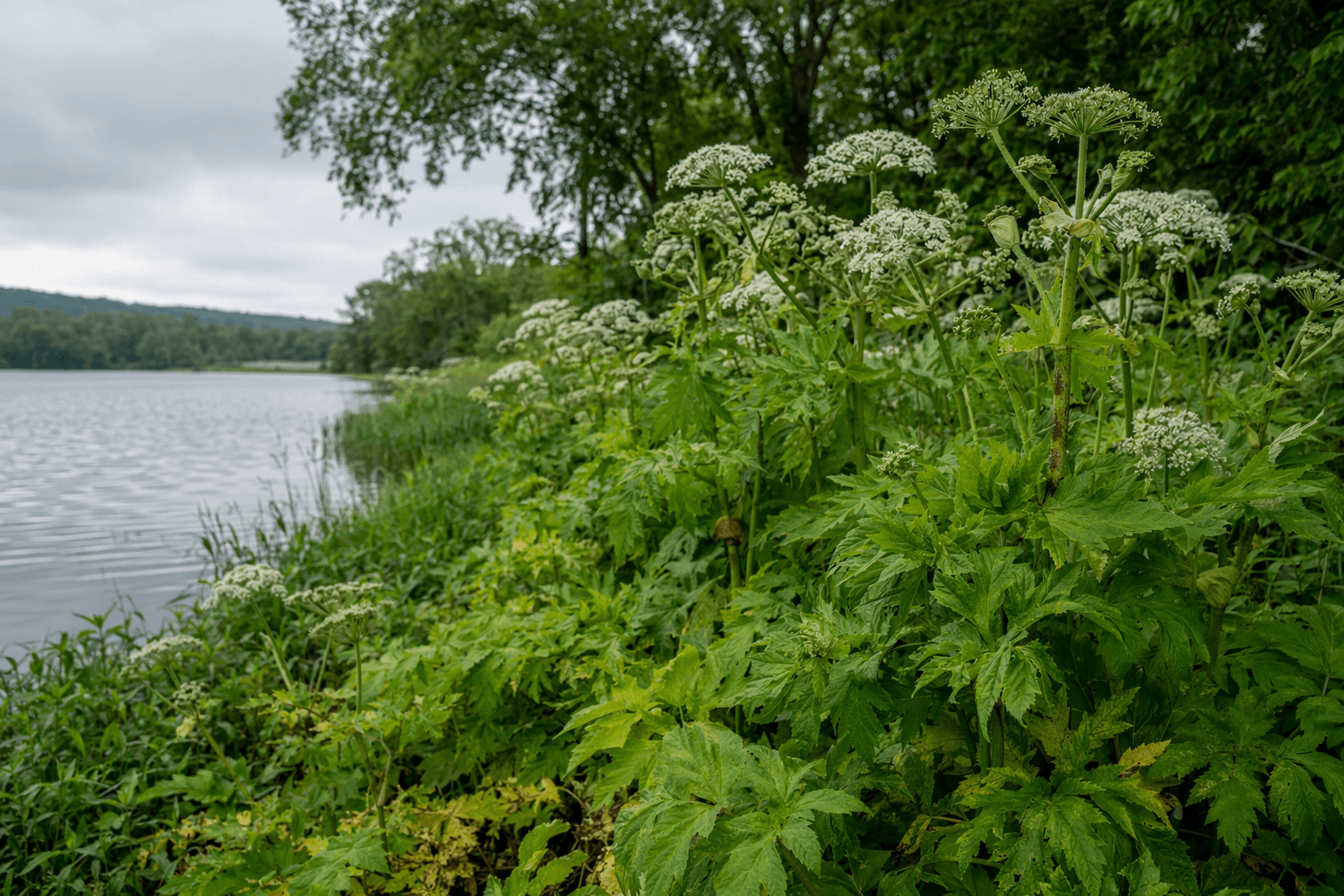
Japanese knotweed along a roadside, glossy buckthorn in a yard and purple loosestrife at the water’s edge can quickly turn into more mowing, more cutting and more cost for Grantham property owners. The Grantham Conservation Commission will put that problem front and center at an Invasive Species Workshop on Wednesday, June 17, from 9 a.m. to noon at Grantham Town Hall, 300 Route 10 South, with UNH Forester Mike Gagnon leading the talk.
The timing matters. By June, invasive plants are actively spreading through trails, shorelines, gardens and roadsides, and the longer they go unchecked, the harder they are to remove. UNH Cooperative Extension says invasive species can reduce biodiversity, imperil rare species, reduce wildlife habitat, degrade water quality, reduce forest production and cause human health problems. In a town like Grantham, where land and water shape daily life, that means more than an ecological warning. It means extra property upkeep, pressure on native habitat and added work for volunteers and municipal stewards trying to keep common spaces manageable.
The Conservation Commission says its mission is to foster the proper utilization and protection of Grantham’s natural resources while encouraging appreciation by current and future residents and visitors. The workshop fits that mandate closely. A Springfield, New Hampshire, town meeting document said Grantham Conservation has had good attendance at workshops it has held and noted that the June 17 session at town hall will be open to anyone. That same document said Grantham’s mapping project is almost complete, a sign the commission is pairing public education with a broader effort to understand what is already on the ground.
That work is not happening in a vacuum. Grantham’s iNaturalist biodiversity project, sponsored by the Conservation Commission, is designed to document the town’s wildlife and plants, educate others about local biodiversity and track invasive species over time. At the state level, the New Hampshire Department of Environmental Services says nearly 100 waterbodies are already impacted by aquatic exotic and invasive species. UNH Extension also notes that New Hampshire shorelines are valuable both as real estate and as wildlife habitat, and that mature forested shorelines are rare but critical habitat.
Residents who attend the workshop will hear from a speaker with direct field experience, and the topic reaches beyond landscaping. New Hampshire law prohibits collecting, transporting, selling, distributing, propagating or transplanting listed prohibited invasive plant species. For Grantham homeowners, trail users and waterfront property owners, that makes early identification a practical matter, not a nuisance issue. June’s workshop offers a chance to spot the problem before summer growth gives invasive plants a stronger hold on the town’s land and water.
This article was produced by Prism’s automated news system from verified source data, official records, and press releases, then run through automated quality and moderation checks before publishing. The system is built and supervised by the people who set the standards it runs under. Read our full AI policy.
Did this article answer your question?