New Hampshire approves digital school maps for emergency responders
New Hampshire approved a $2.6 million contract to map every public school digitally for responders. In Sullivan County, that could affect Claremont, Newport, Charlestown, Sunapee and Grantham.

A new $2.6 million state contract will put standardized digital maps into every New Hampshire public school, giving police and medical responders a shared layout before they step inside a building in crisis. The work went to Critical Response Group, and the maps are meant to speed up response when seconds matter and verbal coordination starts to break down.
The state approved the contract June 15 after officials highlighted a familiar problem in school emergencies: first responders are often forced to make fast decisions in buildings they do not know well. The digital maps are intended to show responders more than a street address. They are meant to help them understand entrances, hallways, room numbers, utility shutoffs and other features that can shape how quickly crews reach students and staff.
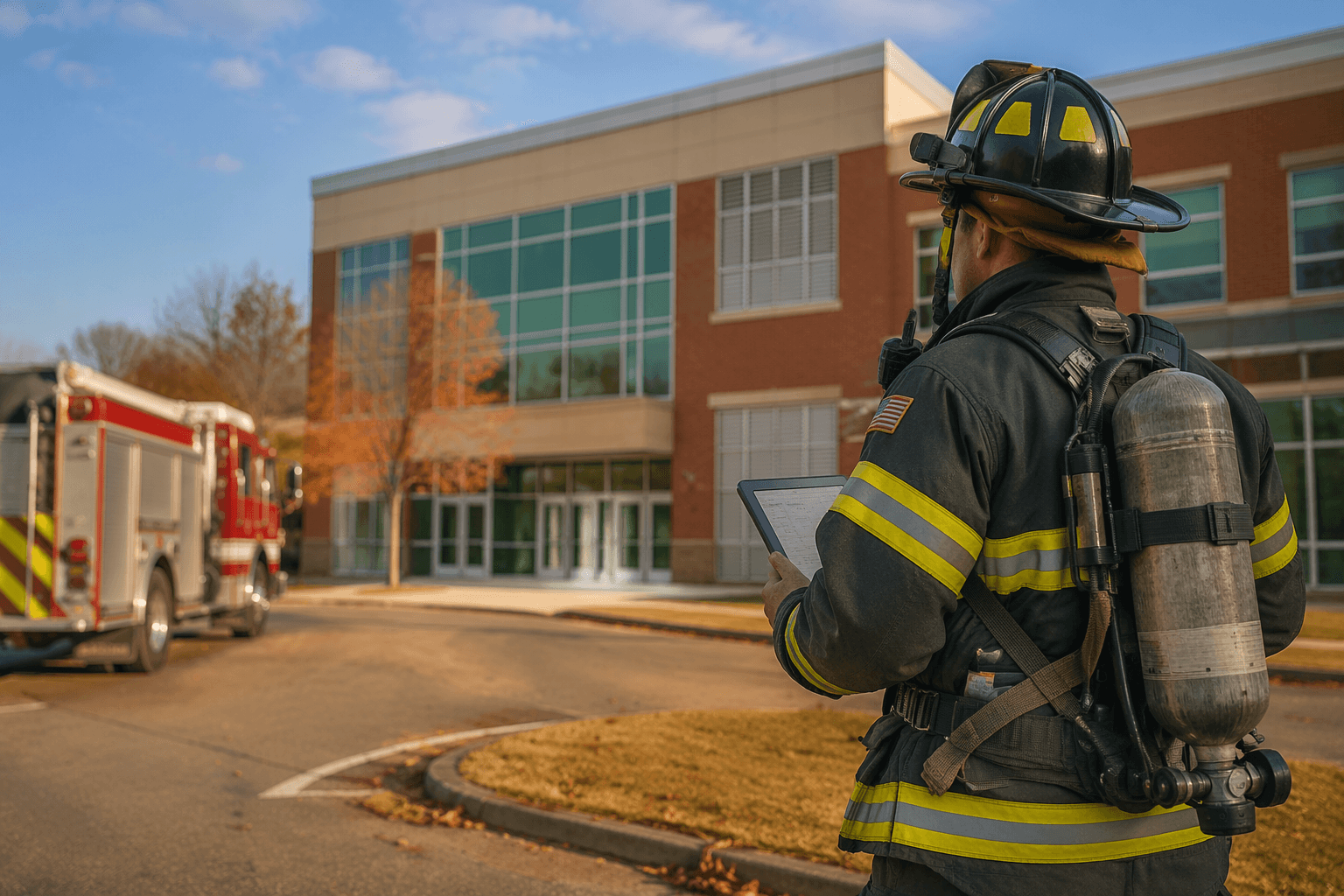
That matters directly in Sullivan County, where school systems in Claremont, Newport, Charlestown, Sunapee and Grantham could be part of the statewide rollout. In rural communities, the value of that planning can be even greater because mutual aid teams may travel farther and arrive with less familiarity with the building they are entering. A map that is already shared with police, fire and EMS can help cut down on confusion when agencies are trying to move in together.
For local school districts, the project is not only about major crises. The same building information can matter in medical calls, severe weather and after-hours incidents, when responders need to find the right door or isolate a hazard without wasting time. It also pushes school safety into a more technical phase, where the usefulness of a security plan depends on whether the data stay current as classrooms change, renovations happen and access points are updated.
The bigger question for Sullivan County boards, superintendents and public safety leaders is accountability. Families will want to know how often the maps are updated, whether local taxpayers face any added cost, and who can view the building data once it is collected. The state’s investment is aimed at making school response faster and more precise, but its real test will come in the next emergency, when responders need the right map in the right hands immediately.
This article was produced by Prism’s automated news system from verified source data, official records, and press releases, then run through automated quality and moderation checks before publishing. The system is built and supervised by the people who set the standards it runs under. Read our full AI policy.
Did this article answer your question?