New State Immigration Laws Reshape Policing in Sullivan County
Two state laws signed December 30, 2025, and widely described as anti-"sanctuary city" measures went into effect January 1, 2026, restricting local limits on cooperation with federal immigration enforcement. The statutes change when local police and county jails may inquire about immigration status and hold people subject to ICE detainers, with direct consequences for Sullivan County towns and for community trust in public safety interactions.

New legislation that took effect January 1, 2026, will require changes to policies and practices at police departments and county jails across Sullivan County. The bills, passed by the legislature and signed by Gov. Kelly Ayotte on December 30, 2025, curb local rules that limited cooperation with federal immigration authorities and set new procedures for questioning and detention related to immigration status.
Key provisions restrict the ability of law enforcement agencies to adopt blanket policies refusing to inquire about immigration status in many circumstances. County jails are authorized in specified situations to hold people who are subject to federal Immigration and Customs Enforcement detention orders for up to 48 hours after state charges have been resolved. One statute, HB 511, narrows when agencies may investigate an inmate’s citizenship status: inquiries are limited to cases tied to an alleged New Hampshire law violation or when some other law specifically authorizes the inquiry.
Supporters of the bills framed them as public safety measures intended to ensure consistent cooperation between local and federal authorities. Opponents, including civil liberties organizations, faith groups, and municipal associations, warned that the measures could chill reporting and cooperation from immigrant communities, strain local resources, and raise constitutional questions. Those concerns have particular resonance in smaller towns and counties where policing and jail resources are limited and relationships of trust are closely tied to local public safety outcomes.
The new laws apply statewide and therefore affect Sullivan County municipalities including Claremont, Newport, Charlestown, Sunapee, and Grantham. Practically, local police departments will need to review and likely revise written policies on information sharing, questioning during stops and custodial settings, and responses to federal detainer requests. County jail administrators will have to adopt procedures for evaluating ICE detainer orders and for holding individuals for up to 48 hours in the narrow circumstances the law permits. Smaller municipalities that previously adopted local ordinances or policies limiting inquiries, such as Peterborough’s past policy, now face uncertainty about how those practices will change in day-to-day operations.
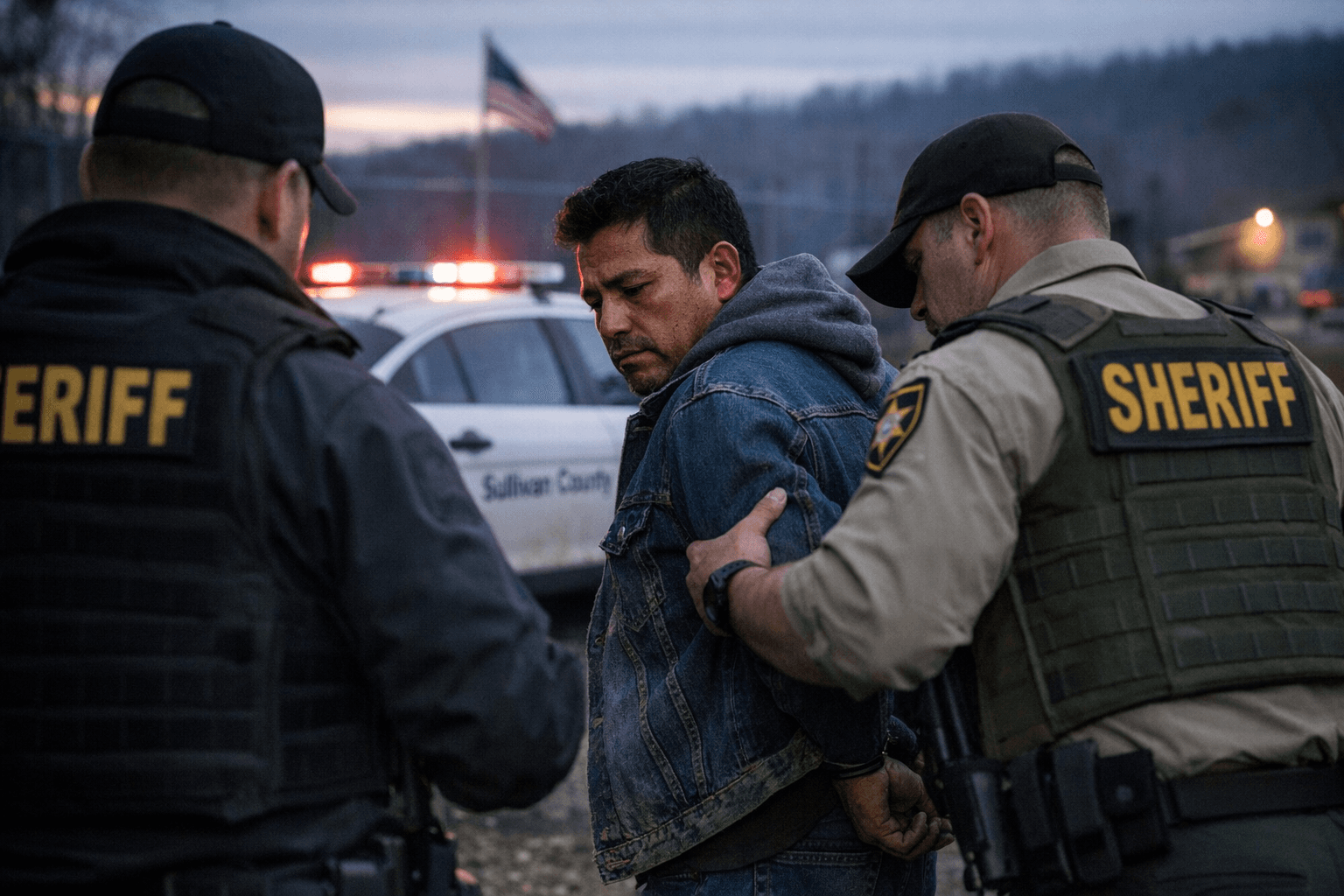
Officials and community leaders in Sullivan County must balance compliance with the new statutes against concerns about community safety and constitutional rights. The laws may prompt training needs, updates to booking and records systems, and discussions about legal exposure for municipalities. Opponents have signaled potential court challenges, which could affect how strictly provisions are enforced over time.
As implementation begins, local leaders will determine how the statutes look in practice at the precinct and at the county jail. For Sullivan County residents, the immediate effects will be seen in how officers handle questioning, how jails respond to federal detainer requests, and how immigrants and their neighbors experience public safety interactions in the months ahead.
This article was produced by Prism’s automated news system from verified source data, official records, and press releases, then run through automated quality and moderation checks before publishing. The system is built and supervised by the people who set the standards it runs under. Read our full AI policy.
Did this article answer your question?