Newport Seeks State Revolving Fund Money to Replace Lead Service Lines
Newport applied for state revolving fund money to find and replace lead pipes, with a public comment window closing March 28.
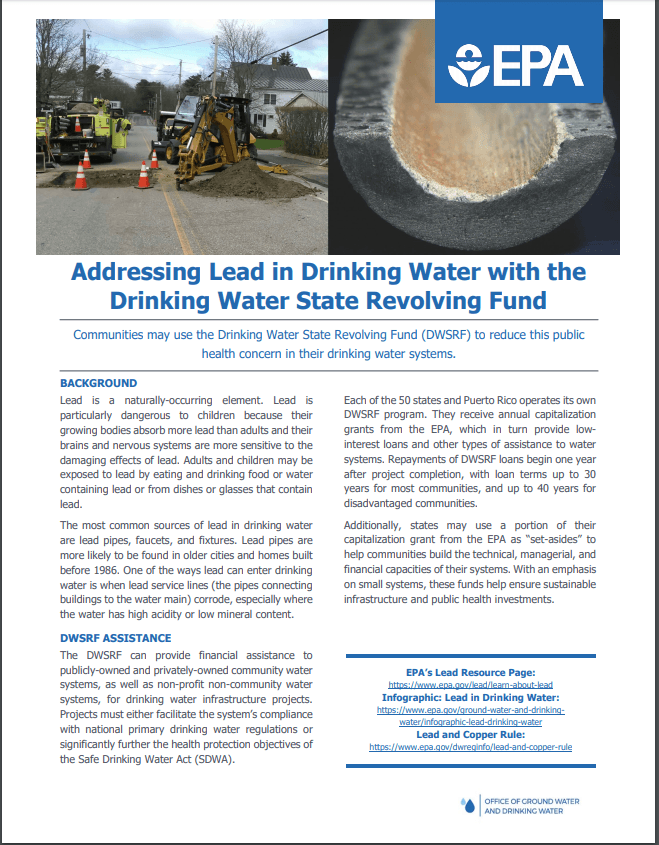
Newport has applied to the New Hampshire Department of Environmental Services for drinking water infrastructure funding to map and replace lead service lines running through the town's distribution system, according to an environmental review notice NHDES published March 18.
The application targets the NHDES Drinking Water State Revolving Fund, a financing mechanism that New Hampshire municipalities can use to access federal dollars flowing from the bipartisan infrastructure law. NHDES reviewed Newport's submission and determined the project qualifies for a Categorical Exclusion under New Hampshire Administrative Rule Env-Dw 1100, clearing a key step in the environmental review process.
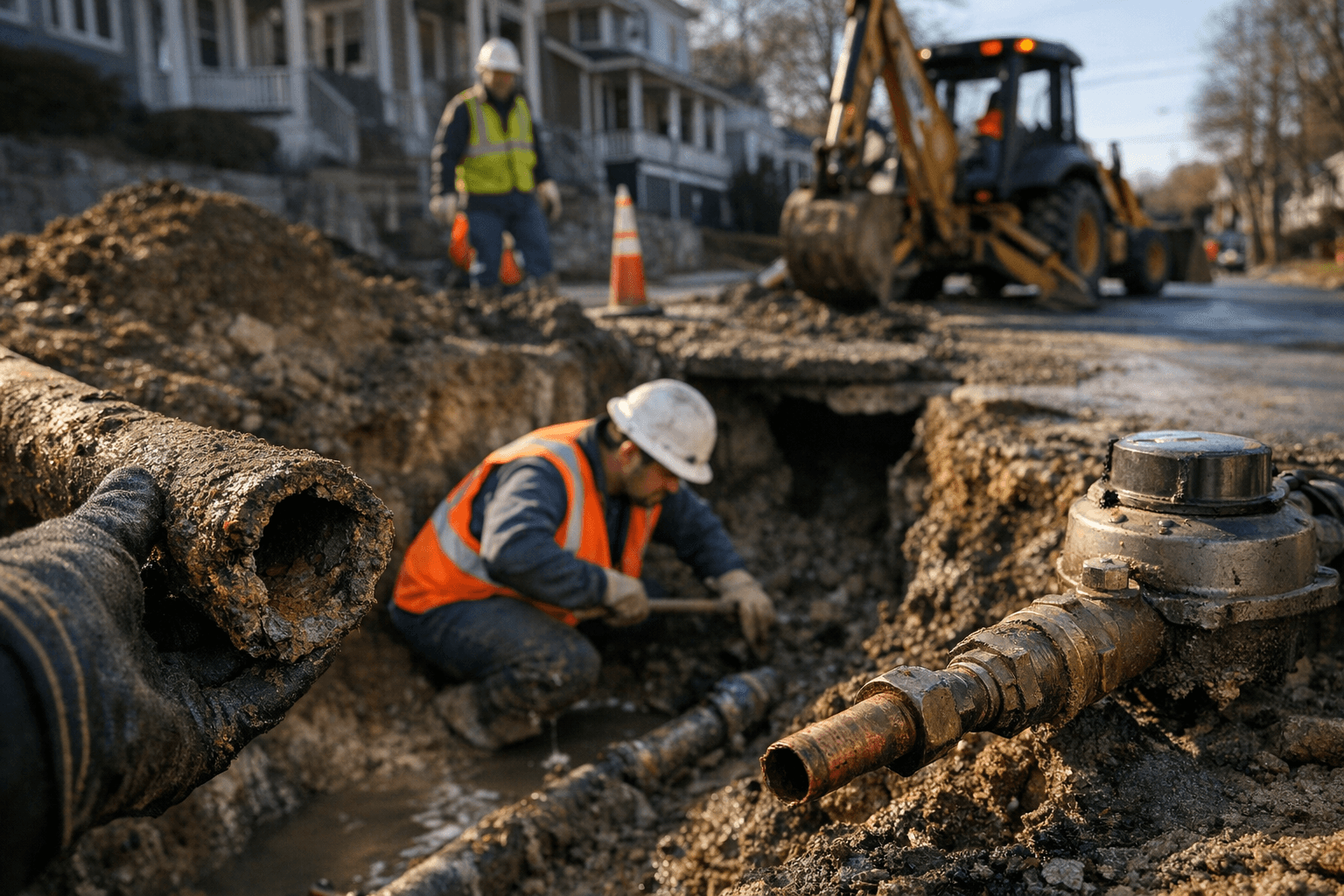
The project, formally titled Lead Service Line Inventory and Replacement and assigned public water system number 1741010, calls for workers to use potholing and physical inspections to identify what each service line in Newport's distribution system is made of. Any line found to contain lead or galvanized steel would then be replaced.
Newport's push comes as water systems across the state work to satisfy the EPA's Lead and Copper Rule Revision, which required community water systems to develop and submit a full service line inventory by October 16, 2024. NHDES has been pairing four consulting firms with small and medium systems serving fewer than 1,700 service connections to help them build those inventories and sampling plans. Wright-Pierce, the engineering firm listed as Newport's representative on the NHDES notice, is the contact named for the project.
The broader federal funding picture behind these efforts is substantial. New Hampshire's congressional delegation announced $28,650,000 from EPA specifically for lead service line identification and replacement, drawn from the bipartisan infrastructure law's historic $15 billion national commitment to the issue. The law also requires that 49 percent of certain DWSRF funds be distributed as grants or forgivable loans to disadvantaged communities. EPA estimates there are roughly 9 million lead service lines still in the ground across the country.
"Granite Staters deserve access to clean and safe drinking water and I am glad to see this latest round of federal funding coming to New Hampshire to identify and replace lead service lines still in use," Senator Maggie Hassan said when the New Hampshire allocation was announced.
Newport residents have until March 28 to submit comments on the environmental review. Comments can be directed to Chris Berg of Wright-Pierce at chris.berg@wright-pierce.com or to NHDES Environmental Review Coordinator Molly Thunberg at envreview@des.nh.gov. The full environmental information document is available by contacting NHDES at that same address.
This article was produced by Prism’s automated news system from verified source data, official records, and press releases, then run through automated quality and moderation checks before publishing. The system is built and supervised by the people who set the standards it runs under. Read our full AI policy.
Did this article answer your question?