Newport selectmen face packed agenda on housing, utilities, town policies
Hale Crossing funding, petition rules, and a utility easement could shape what Newport residents see next, from housing construction to how town issues reach the ballot.

Hale Crossing sits at the center of the agenda
Newport’s latest Selectboard agenda puts three items front and center for residents watching day-to-day change: funding for Hale Crossing, the rules for citizen-petition warrant articles, and an easement tied to utility access for the housing site. Together, they show how one meeting can influence whether a major housing project keeps moving, how easily residents can bring issues to Town Meeting, and what approvals are still needed before development can advance.

The housing piece is the clearest share hook. Hale Crossing is pitched as 55 affordable or workforce housing units at 21 Cross Street, with July 2025 town materials describing one- to three-bedroom layouts and estimated rents of about $1,400 per month. In a town of about 6,500 people, that scale matters. It is not a symbolic project, but a substantial addition to Newport’s housing stock in a county seat where pressure on rentals and local workforce housing is part of the wider civic conversation.
What the CDBG money does
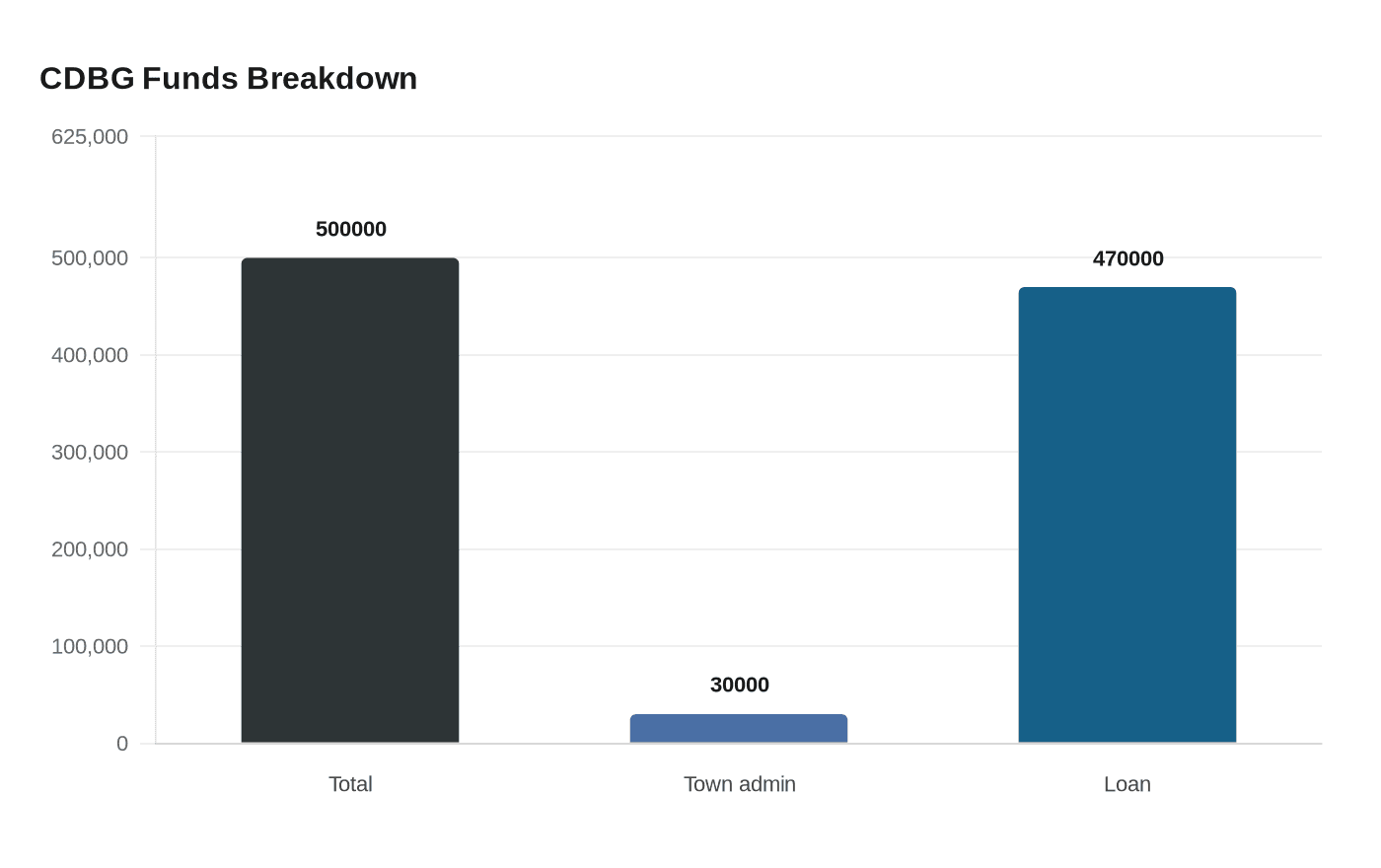
The financing structure also matters. Town materials from January 2025 said Newport was considering a Community Development Block Grant application for up to $500,000 for Hale Crossing. Up to $30,000 would be kept by the town for administrative and labor-compliance costs, while up to $470,000 would be loaned to Elm Grove Companies, or a related entity, to acquire the property and/or construct the housing.
The May 4 agenda’s authorization for Town Manager Kyle M. Harris to sign requisitions for payment of CDBG funds suggests the project was moving from planning into the money-and-paperwork phase. For residents, that is often the point when a long-discussed proposal starts turning into visible site work, permit activity, or construction schedules. It also means the board’s vote is not just procedural. It is part of deciding whether the financing chain stays in place for a project that Newport has linked to housing need.
Town materials also referenced an anti-displacement and relocation assistance plan because CDBG projects can trigger Uniform Relocation Act requirements if displacement occurs. That is an important safeguard to watch. If the project changes tenants, occupants, or existing uses on the site, the town’s handling of relocation obligations could become part of how smoothly the project proceeds.
The easement could determine the project’s pace
The second major item is the Eversource Hale Crossing easement application. Newport Planning Board materials in February 2026 described an electrical easement request by Hale Crossing LLC across town-owned property on Paradise Road, Map 106 Lot 018, in the Rural zoning district. The Board of Selectmen already held a first of two public hearings on the easement on April 6, 2026, which means the May 4 agenda was poised to move the matter closer to a final decision.
That is the kind of vote residents should watch closely because utility access can determine whether a project stays on schedule. Housing developments do not move forward on promises alone. They need power, access, and recorded rights over land, especially when the route crosses town-owned property. If the board approves the easement, it clears an essential obstacle for Hale Crossing. If members delay or modify it, the project could slow down even if the financing remains intact.
The connection to Eversource also makes the easement more than a back-office land matter. It signals the practical infrastructure side of housing policy, where utility routing and development timelines intersect. Newport residents watching the meeting should view this as one of the key gates between concept and construction.
Citizen-petition rules could affect ballot access
The agenda’s approval of guidelines for submitting citizen petition warrant articles may sound technical, but it can affect how residents use one of New Hampshire’s most important local democratic tools. In towns like Newport, warrant articles give voters a direct way to bring issues forward, and the rules around submission shape who can participate and how early proposals must be filed.
This matters because procedure can determine substance. If the guidelines are too loose, the town risks confusion or inconsistent filings. If they are too restrictive, residents may feel the process is harder to use. Newport’s board record-keeping materials emphasize compliance with New Hampshire’s Right-to-Know law, RSA 91-A, and that focus on transparency should carry into any petition rules the board adopts.
For residents, the practical question is simple: does the new policy make it easier or harder to get a proposal in front of voters? The board’s action here could influence future Town Meeting seasons, especially for articles that deal with spending, land use, or governance.
Records, conservation, and the town’s day-to-day machinery
The agenda also included approval of a record retention policy, another item that can affect how residents interact with town government long after the meeting ends. Records policies determine what gets preserved, how long it stays available, and how the town documents decisions. In a municipal setting where public access and accountability matter, retention rules can shape everything from research requests to historical memory.
The conservation-commission appointment also deserves attention. The board listed Rochelle Brunet for appointment as a full member of the Town of Newport Conservation Commission, with a term ending in June 2028. That seat matters because conservation boards often weigh in on land use, environmental protection, and local stewardship issues that can intersect with development and roadwork.
These are not headline-grabbing items in the way housing or easements are, but they are part of the machinery that keeps a town functioning. Newport’s agenda shows that governance here is not isolated into one issue at a time. The board is managing housing, public records, and land-use oversight in the same meeting.
The rest of the agenda still touches community life
Several other items round out the picture. The board listed approval of a Little League field name, a decision that speaks to community identity and youth sports. It also included a licensing agreement for StreetSmart Driving School, which suggests a local business use that may affect a town property or facility arrangement.
The board was also set to authorize the town manager to sign deeds conveying property to Sullivan County as part of a settlement agreement. Newport, as the county seat of Sullivan County, often plays a central role in county government business, and property transfers of this kind can reflect the practical cleanup work that accompanies legal settlements.
Taken together, the agenda reflects a town balancing big investments with routine governance. Newport is still carrying a large public-works load, including the wastewater treatment plant project that the board presented with a time-lapse video, a reminder that infrastructure work will shape service capacity for years. At the same time, the town’s board is dealing with records rules, petition procedures, recreation naming, and property transactions. For residents, the immediate story is not just what was discussed in one room, but which decisions will change what Newport looks like next.
This article was produced by Prism’s automated news system from verified source data, official records, and press releases, then run through automated quality and moderation checks before publishing. The system is built and supervised by the people who set the standards it runs under. Read our full AI policy.
Did this article answer your question?