Sullivan County bucks New Hampshire trend with health care top pay jobs
Health care, not tech, pays best in Sullivan County, and that gap is reshaping careers, staffing and the county’s $75 million nursing home overhaul.
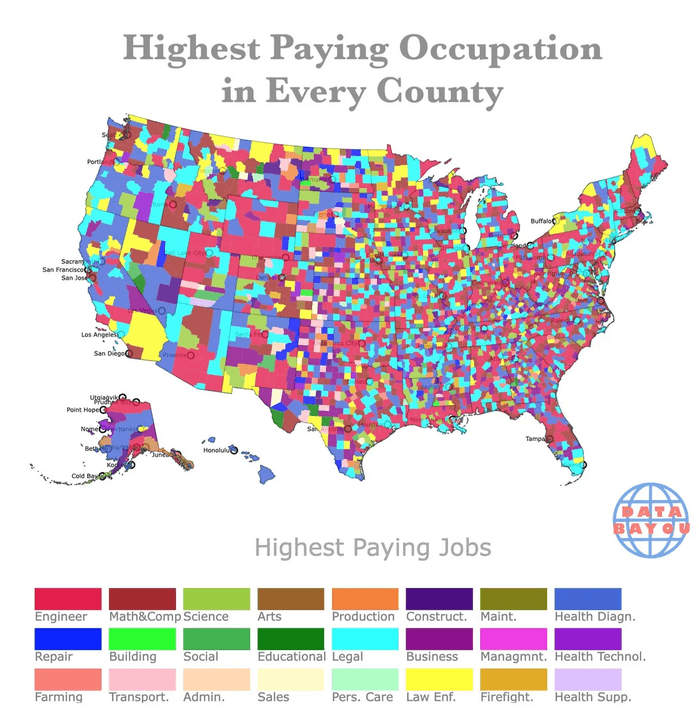
Sullivan County’s wage profile breaks with the New Hampshire pattern that usually lifts computer, math and engineering work to the top. Here, the better-paying jobs sit in health care, a sign that local employers, schools and families are making career decisions in a county where medical work is not just a service line but a leading economic engine.
A county wage map that points toward health care
The latest county wage tables from New Hampshire Employment Security cover roughly 600 occupations and use May 2024 data aged to June 2025, which makes the comparison current enough to show how different Sullivan County is from the state as a whole. In the county table, medical and health services managers appear among the higher-paid local occupations, while the overall profile includes far fewer computer and math jobs and fewer engineering jobs than the statewide mix.
That matters because occupational pay tables do more than describe salaries. They shape how students, training programs and employers think about the future economy, and in Sullivan County they point in one clear direction: health care is where the strongest wages are concentrated.
Why the local labor market looks so different
The county’s job picture is not an isolated quirk. New Hampshire’s 2024 health care workforce report, issued on Dec. 1, says primary care concentrations are significantly lower in rural New Hampshire across all disciplines, and Greater Sullivan County faces the most severe shortages. The same report shows rural New Hampshire experienced a 20% decrease in its population-based primary care physician rate, even as the APRN workforce grew by more than 40% and the PA workforce grew by 15%.

Those numbers help explain why health care jobs are relatively prominent in Sullivan County’s wage tables. A county with fewer physicians and thinner primary care coverage needs more nurses, managers, care coordinators and support staff to keep the system functioning. The result is an economy where the pay signal from the labor market lines up with an ongoing access-to-care problem.
Sullivan County Health Care sits at the center of that system
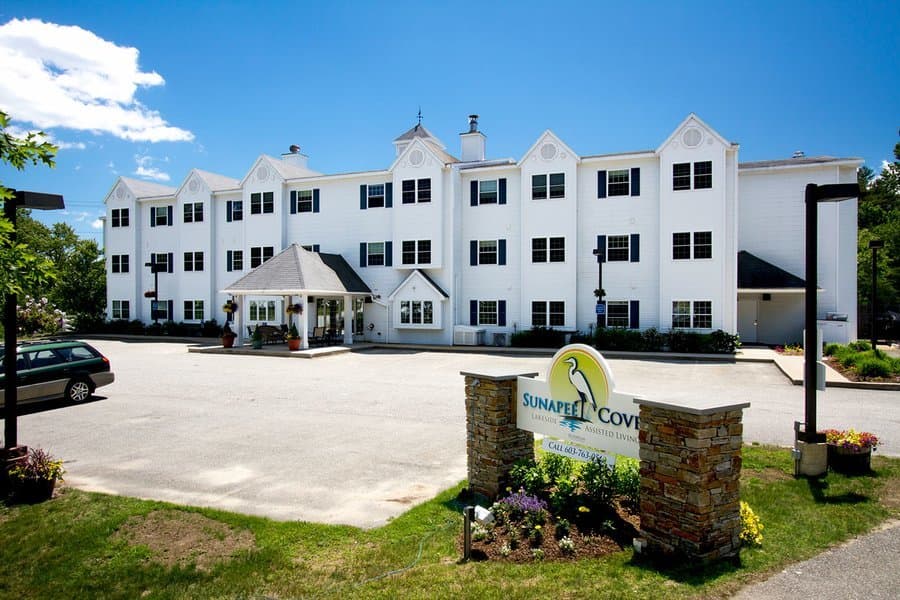
Sullivan County Health Care in Unity is the clearest example of how deeply health care is woven into the county’s employment base. County officials describe it as a 156-bed Medicaid-licensed intermediate care facility and skilled nursing facility, and one of the ten largest nursing homes in New Hampshire. It is owned by the citizens of Sullivan County and operated by the county commissioners to provide residential nursing care in Unity.
The county’s own job listings reinforce that role. Openings recur for nurses, dietary associates, correctional officers, case managers and other health-related positions, showing that the facility is not a niche employer but a major anchor for the local workforce. When a county-owned campus is hiring across clinical, dietary and support jobs, it influences not just pay scales but household stability, commute patterns and the pool of careers available to local residents.
A long care mission, and a large construction project
The county’s commitment to institutional care reaches back more than a century. Sullivan County was created on July 5, 1827, and in 1866 the county purchased 395 acres in Unity for $6,500 to establish the county home that eventually evolved into today’s health care campus. That history matters because the current job pattern is built on a long-running public decision to keep care close to home.
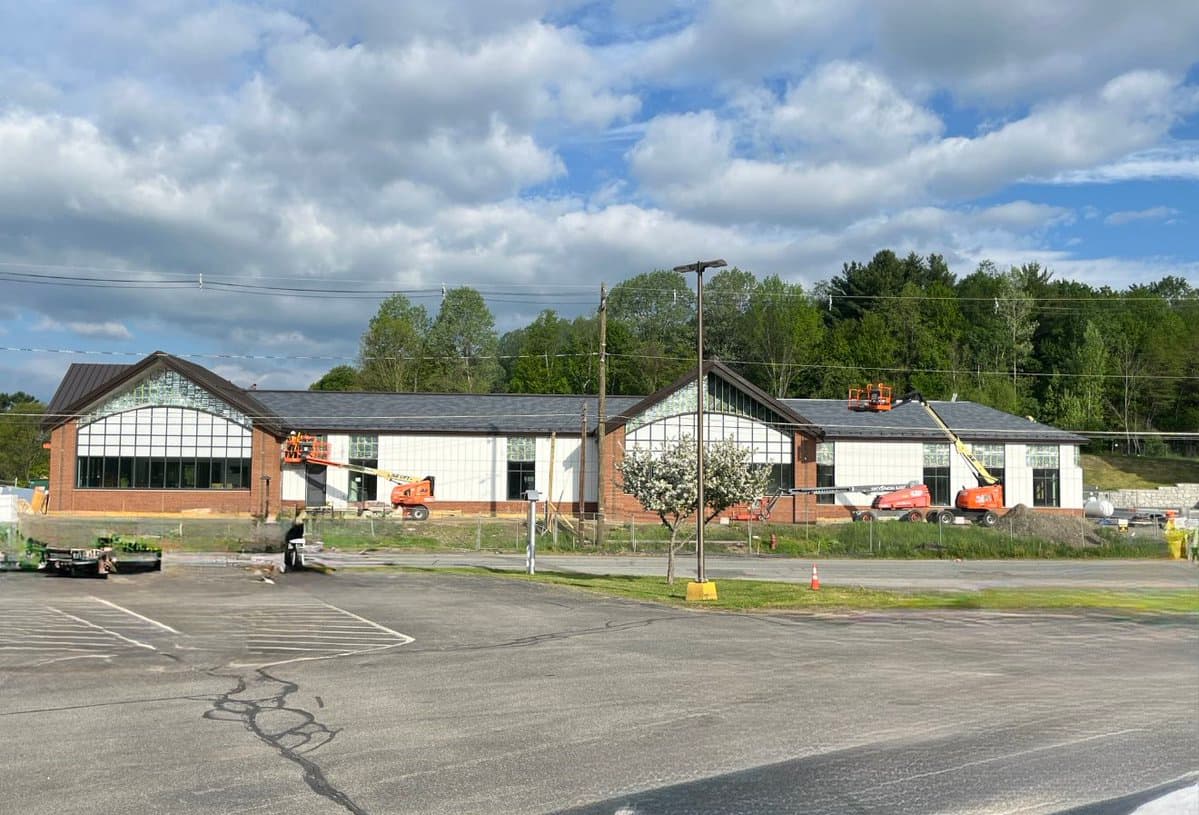
That same mission is now tied to a major capital project. In November 2022, county leaders approved a $75 million nursing home renovation project, with construction scheduled from December 2022 through December 2025. A project that large does more than refresh buildings. It signals that the county expects health care to remain central to its future staffing, budgeting and land use decisions.
What this means for students, employers and families
For students deciding what to study, the message is direct: the best-paying local work is not concentrated in the technology fields that dominate many statewide economic development pitches. In Sullivan County, the stronger wage signal comes from health care management and care delivery, which makes nursing, APRN and PA pathways, as well as administration and long-term care operations, more relevant to the county’s actual labor market than a one-size-fits-all STEM message.
For employers, the challenge is matching education and training to the jobs that exist now. If local schools steer students toward careers that are scarce in the county while the highest wages are in health care, the region risks exporting talent instead of building it. A durable medical-economy pipeline would mean preparing workers for the county’s current demand, not only its aspirational one.

Families feel that gap too. Career choices are not abstract when one sector dominates the county’s better-paying jobs and the local care system is already under strain. In a county where health care shortages are most severe in Greater Sullivan County, job decisions also shape whether residents can find nearby care, how long they wait for appointments and whether older adults can remain in the community.
Health care, housing and transportation are linked
The Greater Sullivan County Public Health Network treats the workforce issue as part of a broader community picture. Its priorities include access to care, housing, transportation, substance misuse prevention and reduction, and emergency preparedness. That mix shows why the county’s labor market cannot be separated from daily life: if workers cannot afford housing, get to jobs reliably or stay healthy enough to work, the care system becomes harder to staff and harder to use.
Sullivan County’s wage tables make the economic case plainly, but the deeper story is about resilience. The county’s best-paid jobs are in health care because the county needs health care to function, and the next few years will show whether that reality becomes a lasting pipeline or a warning sign that schools, employers and public officials are still building for a different economy.
This article was produced by Prism’s automated news system from verified source data, official records, and press releases, then run through automated quality and moderation checks before publishing. The system is built and supervised by the people who set the standards it runs under. Read our full AI policy.
Did this article answer your question?