Sunapee declares Lake Sunapee ice-out, warns of cold-water hazards
Lake Sunapee is officially ice-out, but Sunapee is warning that cold water, debris and hypothermia risks still make the lake dangerous for boaters and visitors.
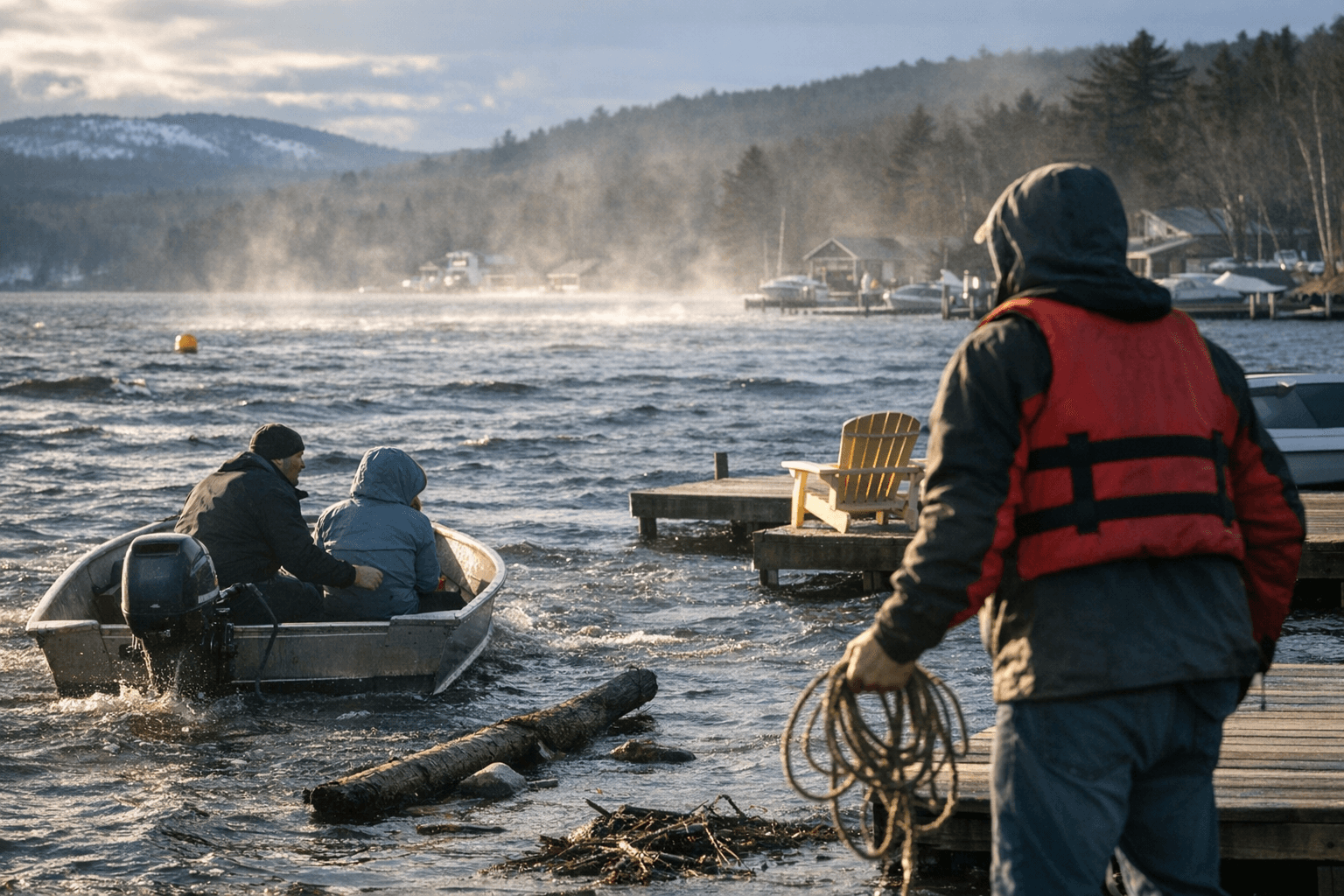
Lake Sunapee is officially ice-out, but Sunapee is warning that open water does not mean safe water. The town said Richard Osborne declared ice-out on April 11, and the notice released April 18 reminded residents, shoreline property owners, boaters, anglers and short-term visitors that hazards still remain.
The town said floating or submerged debris may still be in the water and that anyone heading out should use extra caution. It also warned that lake water is still dangerously cold, making hypothermia a real threat even as the shoreline shifts into spring. For families and casual visitors eager to get back to the lake, the message is clear: ice-out is a seasonal marker, not a green light.
Lake Sunapee’s ice-out record helps explain why the date draws so much attention in Sunapee. The town’s chart has tracked ice-out since 1869, and the Lake Sunapee Protective Association says the official call depends on being able to navigate from Georges Mills to Newbury Harbor, a trip of roughly 8 miles end to end. The association also says the lake’s long record shows a downward trend, generally meaning earlier ice-outs over time.
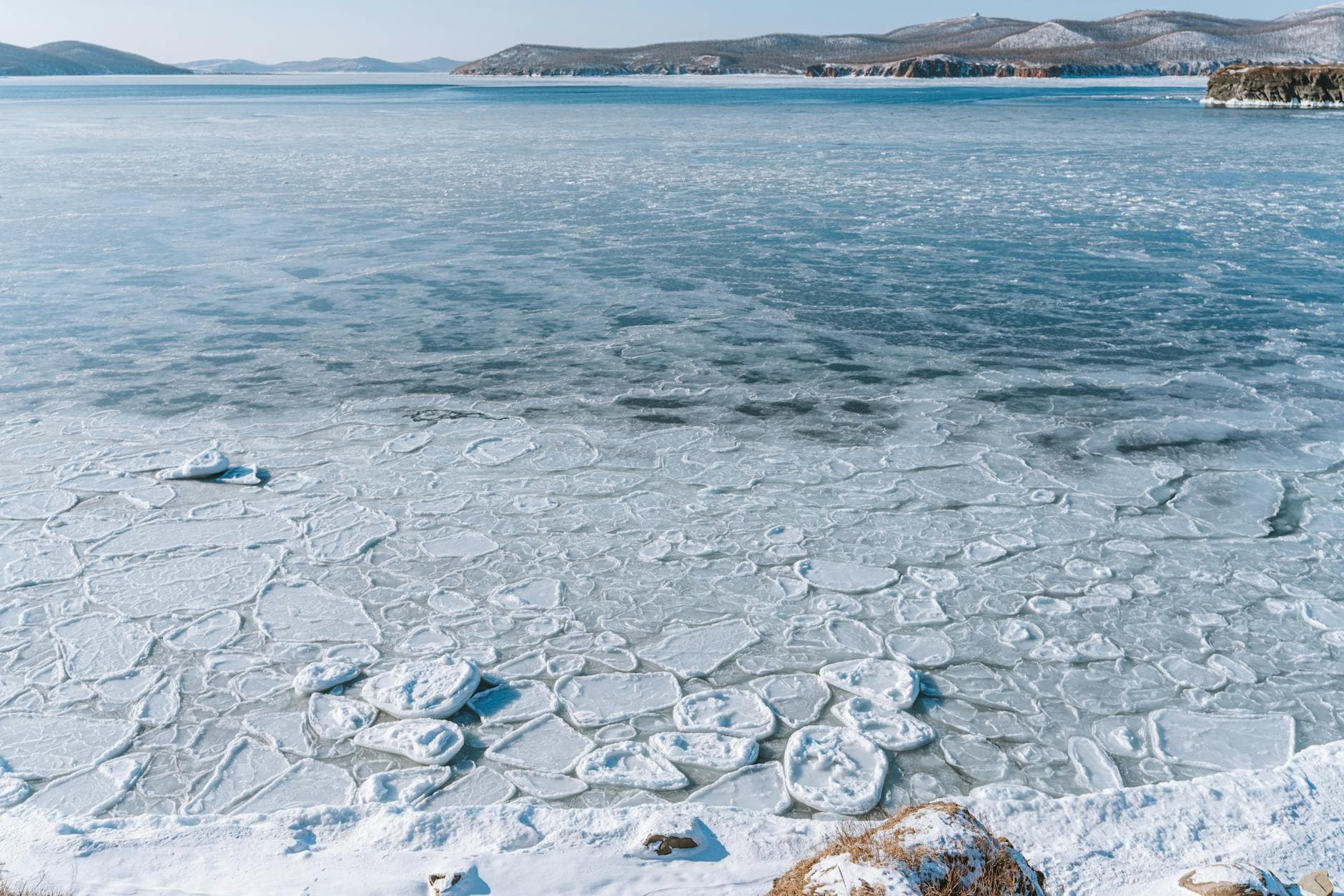
This year’s April 11 date fits within the long-running April pattern, but it was earlier than some recent years and later than some of the very earliest dates on record. Sunapee declared ice-out on March 21, 2024 and on April 14, 2023, while the chart also includes a much earlier mark, March 18, 2016. The data set that records Lake Sunapee ice-out dates was maintained by the Town of Sunapee until 2021 and is now maintained by the Lake Sunapee Protective Association.
State safety warnings reinforce the town’s caution. New Hampshire State Police Marine Patrol says cold-water immersion can trigger shock, hypothermia and drowning in just minutes, and says water temperatures in the state often stay below 60 degrees well into June. The National Weather Service warns that warm air does not necessarily mean warm water. In a lake community where the boating season begins long before the water warms up, that difference can decide how quickly a spring outing turns dangerous.
This article was produced by Prism’s automated news system from verified source data, official records, and press releases, then run through automated quality and moderation checks before publishing. The system is built and supervised by the people who set the standards it runs under. Read our full AI policy.
Did this article answer your question?