Sunapee police join rollout of statewide bail notification system
Sunapee police were on hand as New Hampshire launched a bail alert system meant to put same-day court restrictions into officers’ hands after release.
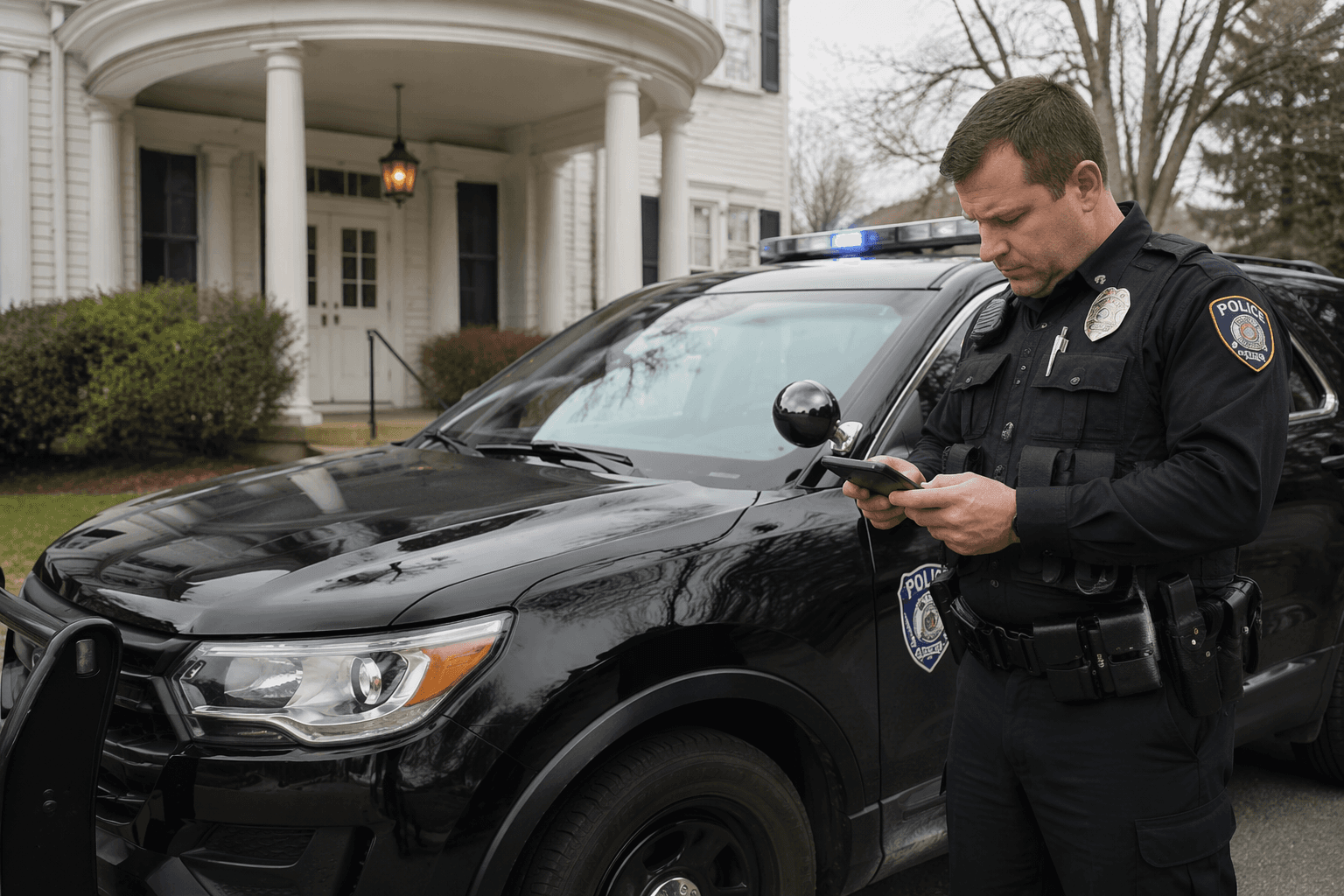
Sunapee police had a seat at the rollout of New Hampshire’s new bail notification system on June 29, with Chief E. Neill Cobb, Lt. Timothy Puchtler and Executive Administrative Assistant Joshua Levasseur attending as the state turned the tool live. The Town of Sunapee highlighted the launch the same day, giving the small department a direct role in a statewide system built to close a gap between court decisions and what officers know in the field.
The new database is built into the Department of Safety’s State Police On-Line Telecommunications System, known as SPOTS, and is designed to give law enforcement faster, same-day access to bail information and certain bail conditions. Under the old process, officers often had to call courts or other agencies directly, a system State Court Administrator Chris Keating described as paper-dependent. The state said the new setup lets the Judicial Branch send bail status electronically when a judge sets or changes conditions, so information can reach patrol officers without the same delay.
For Sunapee officers, that can matter during routine patrols, traffic stops and follow-up investigations. If someone is released on bail with a no-contact order, a firearms restriction or limits involving alcohol, the information can now show up sooner in the system an officer checks before making contact. That is especially important in domestic-violence and other high-risk cases, where Attorney General John Formella said the difference can affect victim safety and enforcement in real time.
The rollout also changes how quickly local police can confirm who they are dealing with. Police1 reported the network updates about 700 bail decisions a week and can include a person’s name, date of birth, the offense that created the bail condition, and restrictions such as no-contact orders and firearm or alcohol-related limits. The state said the same information will also be shared with the Department of Corrections, extending the reach beyond patrol cars and into corrections operations.
The system was funded by the Governor and Executive Council in February after a $500,000 investment announcement, and state officials said it had been tested for the previous month before going live. In February, the administration said it expected the system to be ready by the end of May, so the June 29 launch came a little later than first planned. The update also builds on the state’s broader 2025 bail-law changes, which Ayotte’s office said were already showing results, including an increase of about 50 percent in pretrial detentions in Coös County.
This article was produced by Prism’s automated news system from verified source data, official records, and press releases, then run through automated quality and moderation checks before publishing. The system is built and supervised by the people who set the standards it runs under. Read our full AI policy.
Did this article answer your question?