5,000 rainbow trout stocked at Echo State Park amid low water conditions
Wildlife crews put 5,000 trout into Echo Reservoir as low water tightened access, making this season’s odds better but not solving the drought problem.
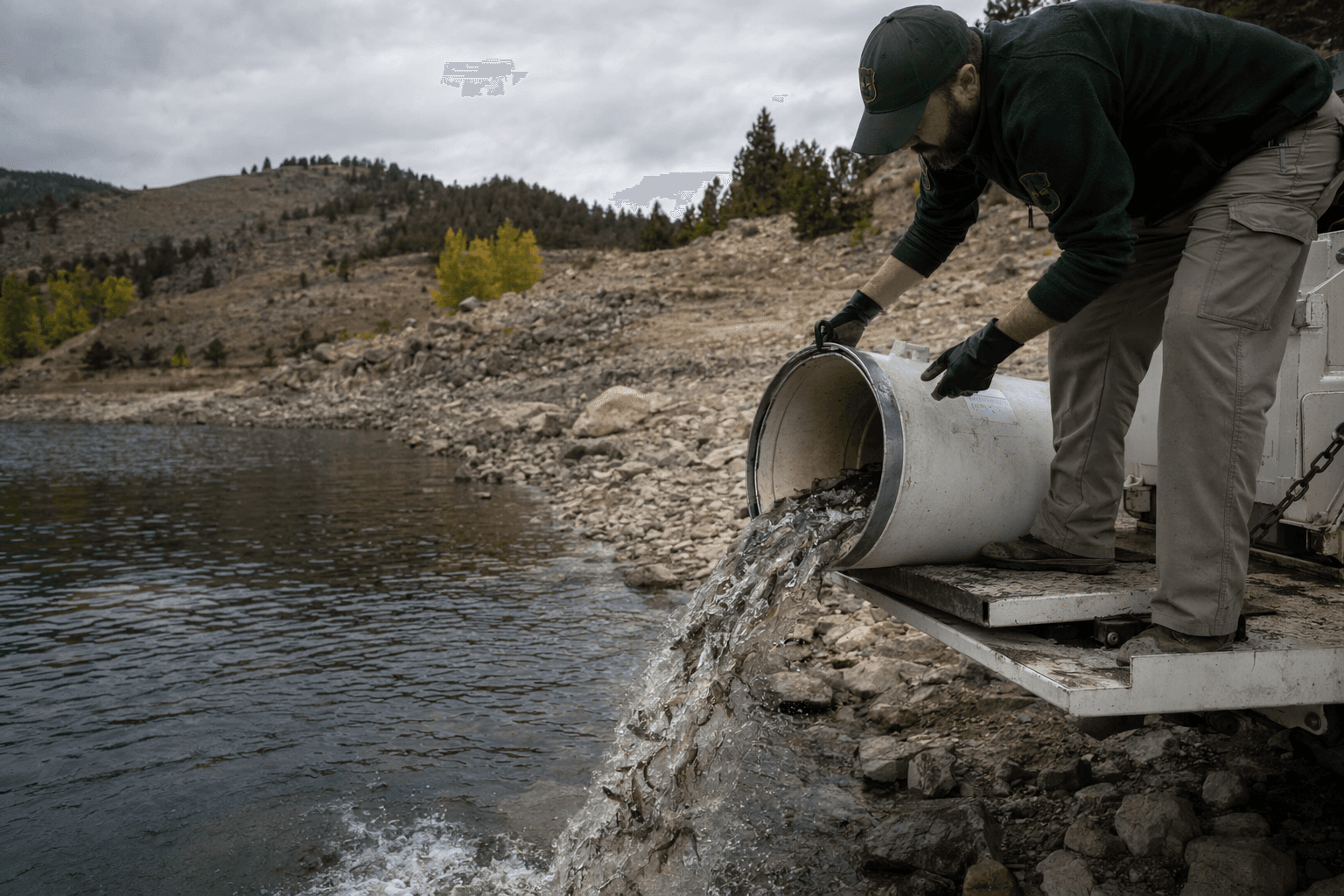
Wildlife crews put 5,000 rainbow trout into Echo Reservoir near Coalville, a fast response to low water conditions that have changed how Summit County anglers fish the reservoir.
The Utah Division of Wildlife Resources delivered the trout, which averaged 14 inches, to Echo State Park as the reservoir faced shallow conditions and statewide catch-limit changes. At Echo, those changes matter quickly: Utah State Parks describes the reservoir as a one-season fishery that often fills and then largely drains within the same year, so water levels can swing access and fish availability in a single season.
Echo Reservoir sits about 1,400 acres on the edge of Coalville and is fed by the Weber River and snowpack from the Uinta Mountains. Built in the 1930s by the Bureau of Reclamation, it supports rainbow trout, smallmouth bass, wipers and yellow perch, and it remains one of the most visible fishing waters in the Summit County area.
The 5,000-trout release should improve anglers’ odds this season, but only in the short term. Low water still concentrates fish and fishermen into a smaller space, and it can limit where trout hold and where people can reach them. The stocking is part of a broader state response to drought stress, with Utah wildlife officials saying they are putting fewer fish into waterbodies expected to be hit hardest and shifting some fish elsewhere.
That statewide squeeze is already showing up in the numbers. In 2025, Utah stocked 11,660,600 fish totaling about 1.1 million pounds into 655 waterbodies, down from 12.8 million fish the year before. In spring 2026, state officials said Utah was dealing with record-low snowpack and reservoir stress, a combination that leaves less water for both fish habitat and recreation.
Echo’s recent history points to the same pressure. During a 2021 drought, the reservoir was reported at 12% capacity, underscoring how quickly dry conditions can strip away usable water at a place that depends on runoff and snowpack. The latest stocking may buy anglers some relief now, but Echo’s fishing season will still rise and fall with the water.
Know something we missed? Have a correction or additional information?
Submit a Tip