Clark Ranch plan shrinks as Park City revisits development footprint
Clark Ranch’s latest layout trims units and buildings, easing open-space pressures while shrinking the affordable-housing yield Park City was counting on.

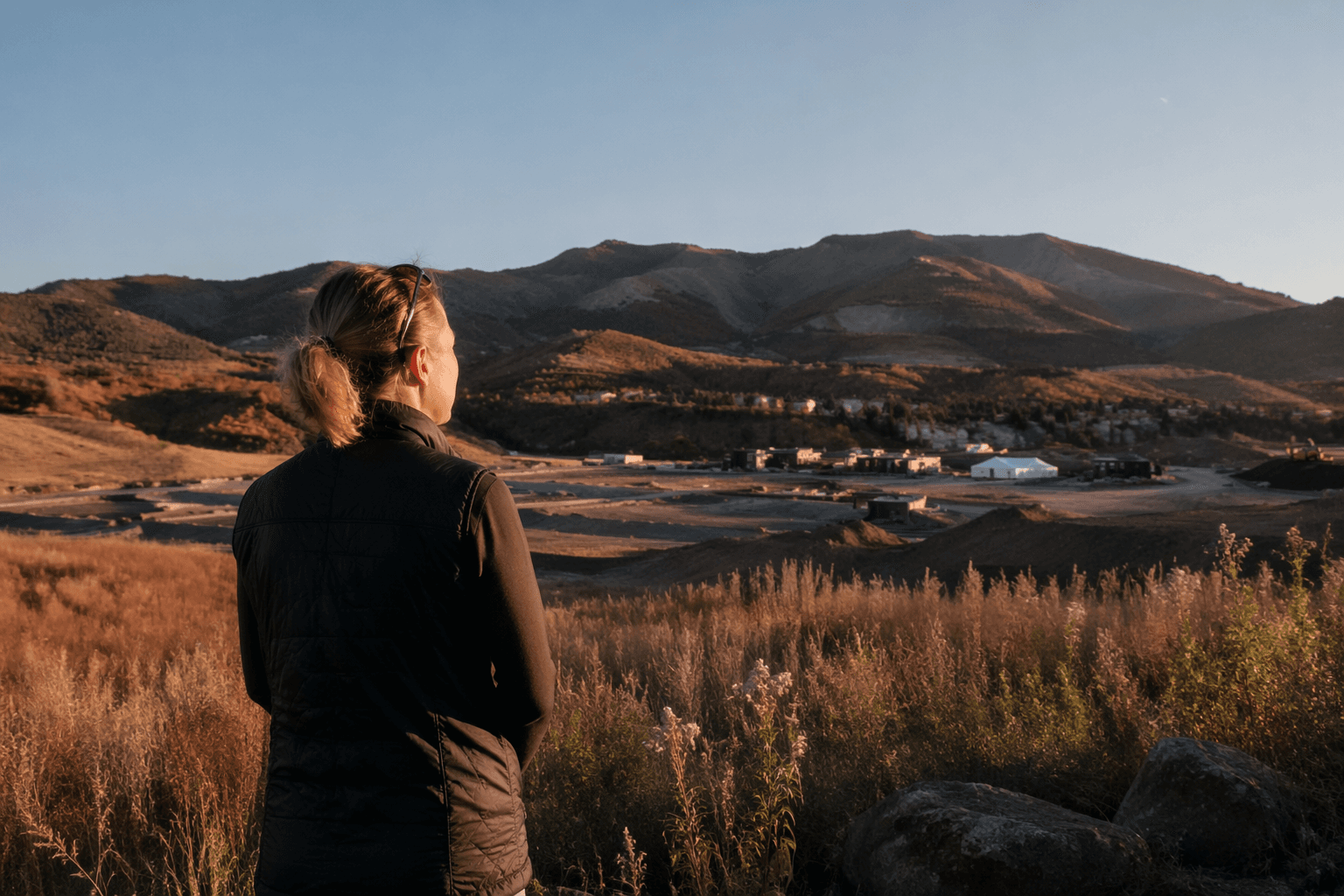
Clark Ranch is getting smaller, and so is the housing payoff. The Alexander Company brought Park City a revised concept for the 344-acre parcel near Quinn’s Junction that cuts back the development footprint, with fewer buildings, fewer units and less visual presence than earlier versions.
That change carries a clear tradeoff for Park City. The city has already preserved 329 acres of Clark Ranch as open space and set aside 10 acres for affordable housing, plus a 5-acre buffer meant to shield the development edge from the preserved land. The slimmer plan may better fit the city’s effort to limit pressure on open land and nearby neighborhoods, but it also means less housing capacity on one of the last large parcels that can still shape growth around Highway 40 and Park City Heights.
The latest adjustment follows months of pushback from the Park City Planning Commission, which in October said the original design sat too close to adjacent open space and appeared to encroach on land the city had bought for preservation. At that point, the developer’s mix had been described as 34 market-rate for-sale units and 167 affordable rentals for the local workforce. By February, city leaders were weighing two preferred 10-acre site options, a northern “triangle” layout and a southern “open space buffer” option, with the buffer site seen as the more flexible of the two.
Councilmember Tana Toly said the buffer approach would bring lower per-unit cost, smaller building footprints, fewer roads, less grading and above-ground stormwater retention. KPCW also reported that the buffer option would reduce impacts to steep slopes and wildlife habitat. Under the preferred suboption B2 discussed in February, the project was described as townhomes and multi-unit dwellings totaling 126 to 154 units, still a sizable housing proposal but notably smaller than the earlier unit count.
For neighbors in Park City Heights, the scale-back does not erase concerns about traffic and neighborhood character. Residents organized as Keep Clark Ranch Wild, arguing that additional development at Clark Ranch would bring more cars and environmental pressure to an area already watching every move on the hillside.
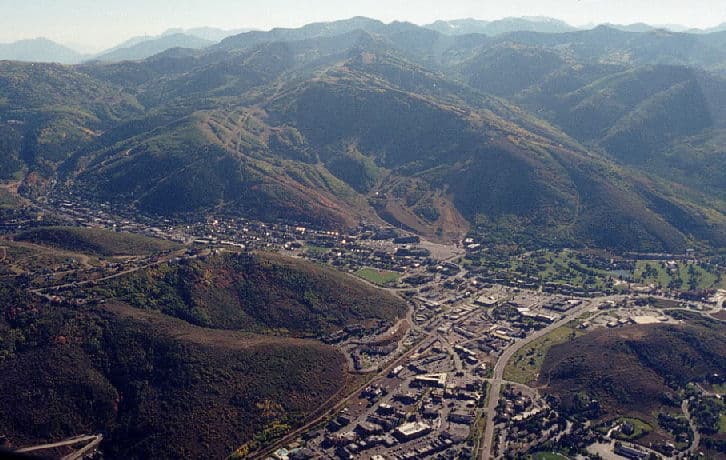
The project still faces a full land-use gauntlet, including rezoning, subdivision, a master plan amendment and a conditional use permit. Park City staff said the city and developer planned to settle on the development site in early 2026, after which the 5-acre buffer can also be protected under conservation restrictions. For now, Clark Ranch remains the place where Park City’s housing shortage, open-space politics and growth limits are colliding on the same 344 acres.
This article was produced by Prism’s automated news system from verified source data, official records, and press releases, then run through automated quality and moderation checks before publishing. The system is built and supervised by the people who set the standards it runs under. Read our full AI policy.
Did this article answer your question?