Coalville, Summit County weigh joining Utah renewable energy program
Coalville could join a new Utah clean-power program, but households would pay $4 more a month and the payoff may take years to prove.
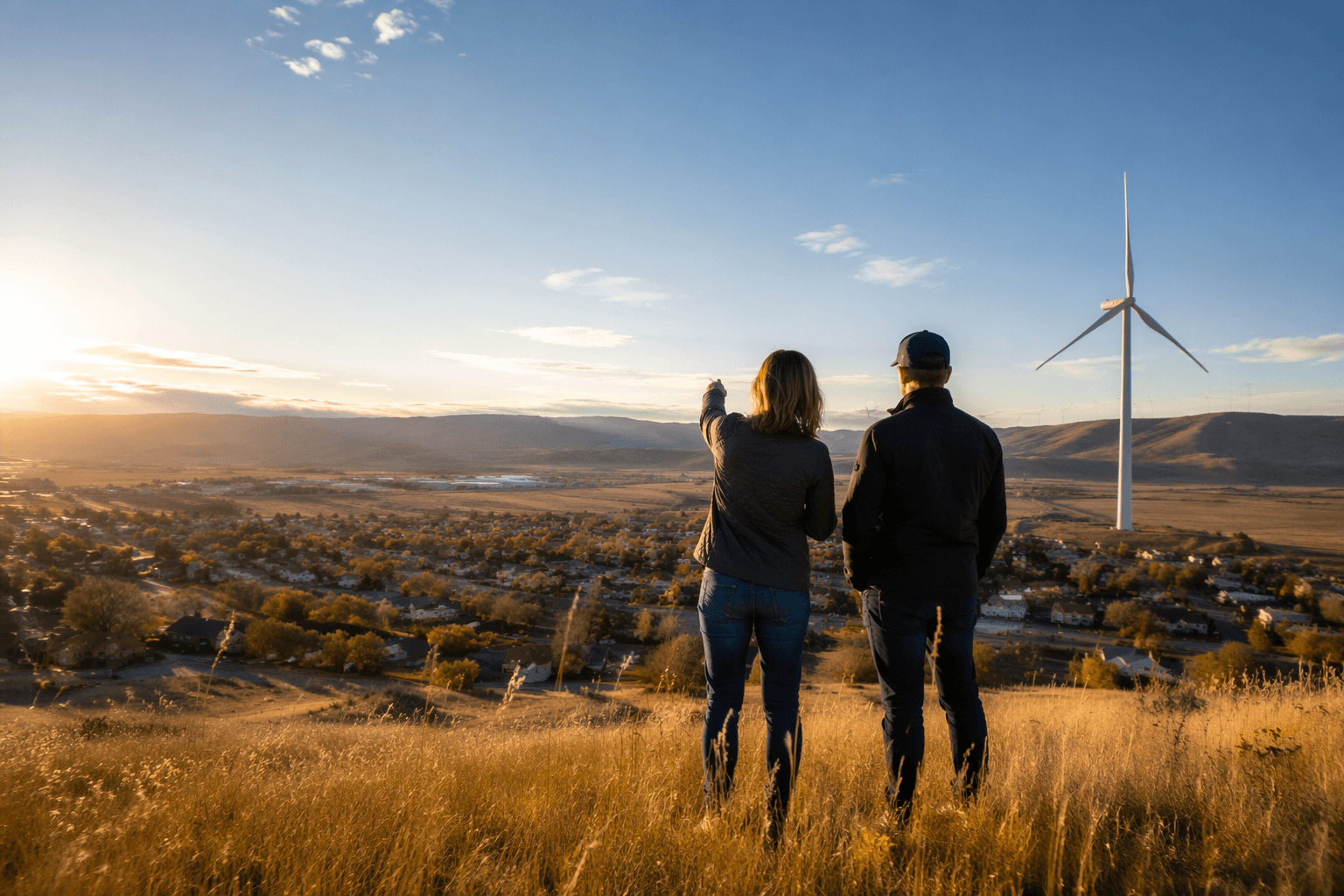
Coalville’s renewable-energy debate is not about symbolism, it is about whether a small monthly surcharge can buy Summit County more reliable power, steadier costs and a stronger local economy. Under Utah Renewable Communities, residential customers would pay an extra $4 a month, with an opt-out option, while nonresidential customers would pay a monthly charge based on energy use plus 12 cents.
The program, approved by the Utah Public Service Commission on March 4, was built on 2019 bipartisan legislation known as HB411. Up to 19 Utah communities are eligible to participate, and by late March, 19 communities had already been involved in shaping the Rocky Mountain Power program, including Salt Lake City, Ogden, Park City, Moab, Salt Lake County and Springdale. Communities had until June 2 to adopt ordinances to formally join.

For Summit County, the move fits a longer local energy shift that predates this statewide program. County sustainability staff say they are working to reduce fossil-fuel use in transportation and transition to renewable energy where feasible. Summit County’s own goal is to cut greenhouse-gas emissions from county operations 80% below 2016 levels.

That goal is not just talk. In its 2018-2019 sustainability report, Summit County said it had executed a Renewable Energy Services Agreement to buy near net-100% renewable electrical energy for county and service district operations in 2023, seven years ahead of its 2030 target. The county also said solar PV installations at the Richins and Kamas service buildings had lifted renewable energy use to 23% of annual electricity consumption.
The local push is unfolding against a harder statewide backdrop. Utah became a net energy importer for the first time since the 1970s, even as coal still dominates the state’s energy mix. Utah Clean Energy’s Sarah Wright has said the state is warming faster than the global average and that drought is already affecting water resources, underscoring why power policy now carries water and climate implications far beyond the Wasatch Back.
Federal and state money has also started moving into rural clean energy, including $1.1 million in grants for 11 projects across rural Utah to help lower energy costs and create jobs. At the same time, state leaders have moved against solar incentives even as solar projects keep coming online faster than any other source and account for two-thirds of the projects waiting to connect to the grid.
That tension is what makes Coalville’s decision notable. If the town and other Summit County communities join, residents who stay in the program will pay more now for a cleaner power mix, while customers who opt out keep their current bills. The real test will be whether the program delivers measurable benefits on the grid and whether Summit County’s long-running sustainability goals translate into greater resilience for households, businesses and public operations.
This article was produced by Prism’s automated news system from verified source data, official records, and press releases, then run through automated quality and moderation checks before publishing. The system is built and supervised by the people who set the standards it runs under. Read our full AI policy.
Did this article answer your question?