Development fights, districting changes defined Summit County in 2025
A year of intense development disputes, court battles, and electoral reform shaped Summit County in 2025, as residents organized referendums, petitions, and public meetings to influence outcomes. These conflicts affected land use decisions, county governance, transportation planning, open space acquisition, and local health services, with lasting implications for community representation and public policy.
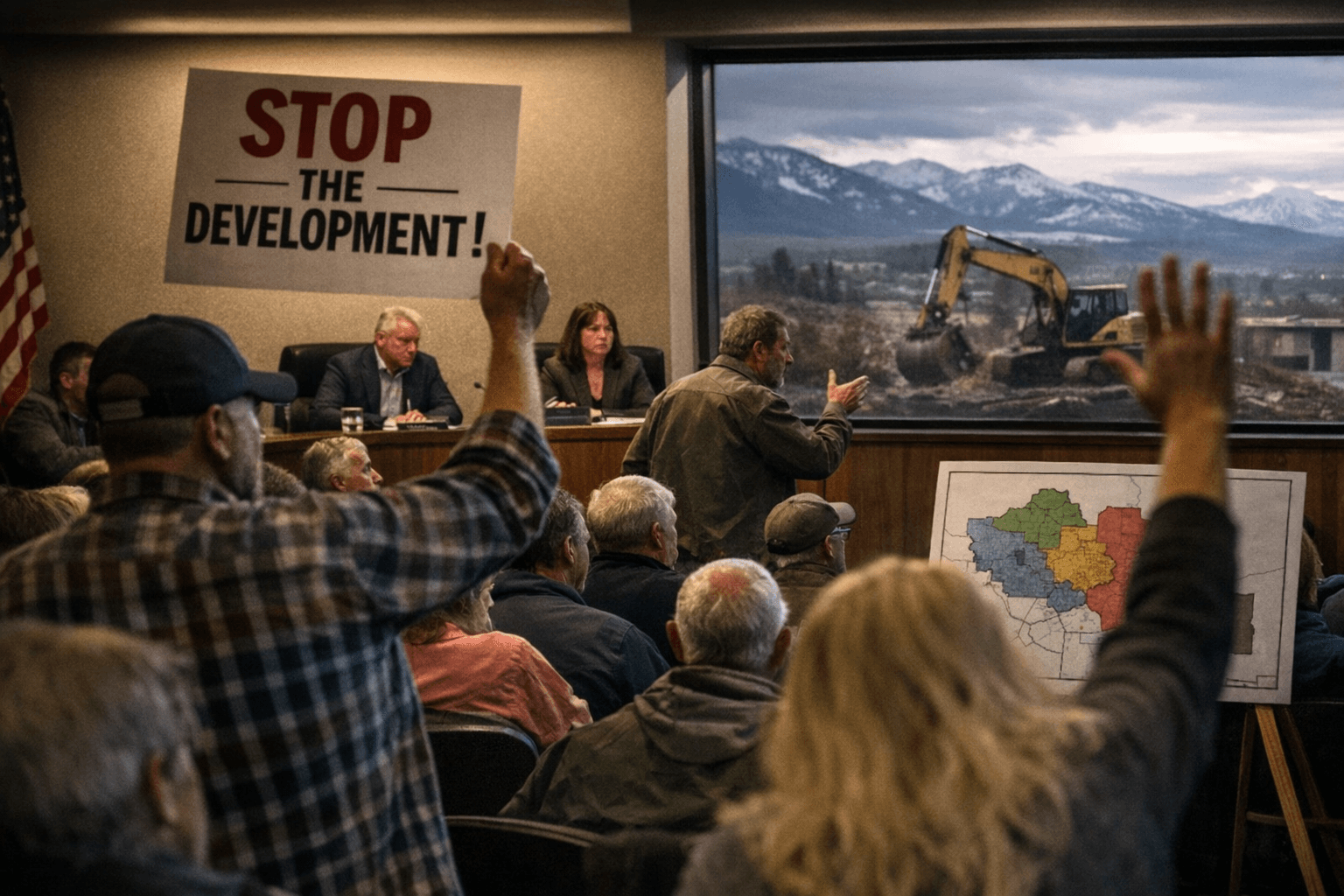
Summit County spent 2025 testing the limits of local control, state law, and civic engagement as a string of development controversies and governance changes moved from public meetings to courtrooms. The most visible conflicts involved developer proposals, incorporation petitions, and statutory shifts that altered how land use and representation are decided.
The Dakota Pacific saga dominated early debates, as referendum efforts and incorporation petitions around Park City Tech pressed local authorities and developers into a series of legal contests. Legislative changes under S. B. 26 influenced the dispute, and the repeal of Ordinance No. 987 marked a turning point as the developer pursued alternative state level pathways to advance projects. The sequence underscored how state policy can reshape local land use fights and prompted residents to mobilize through petitions and referendums.
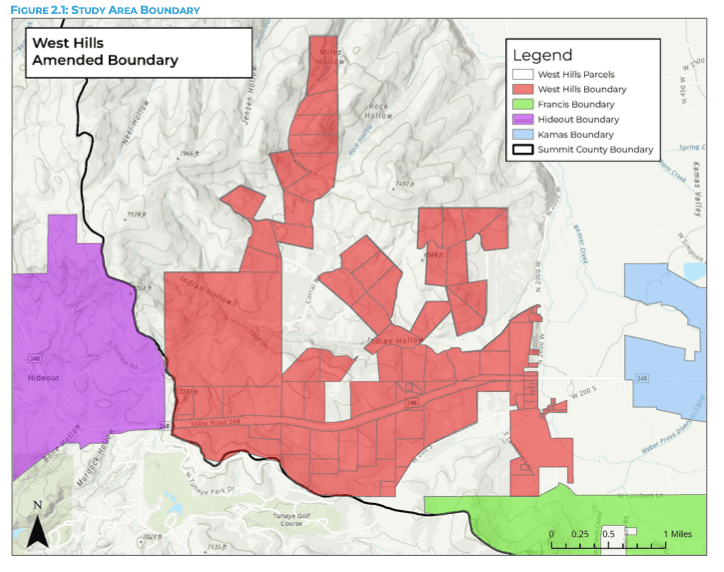
The West Hills incorporation controversy followed, fueled by public opposition and lawsuits that drew county and city involvement. Property rights litigation moved to higher courts, and the Utah Supreme Court issued temporary interventions that interrupted local processes. The dispute highlighted tensions between municipal expansion, unincorporated property owners, and the legal mechanisms available to resolve contested incorporation efforts.
Near Coalville the Wohali luxury development entered Chapter 11 bankruptcy, with vendor claims and loan decisions continuing into December. Litigation related to the project has left unpaid bills for contractors and uncertainty for neighbors about unfinished work and the future of the site. The competing interests of lenders, vendors, and local regulators illustrated how large developments can create ripple effects across small communities.
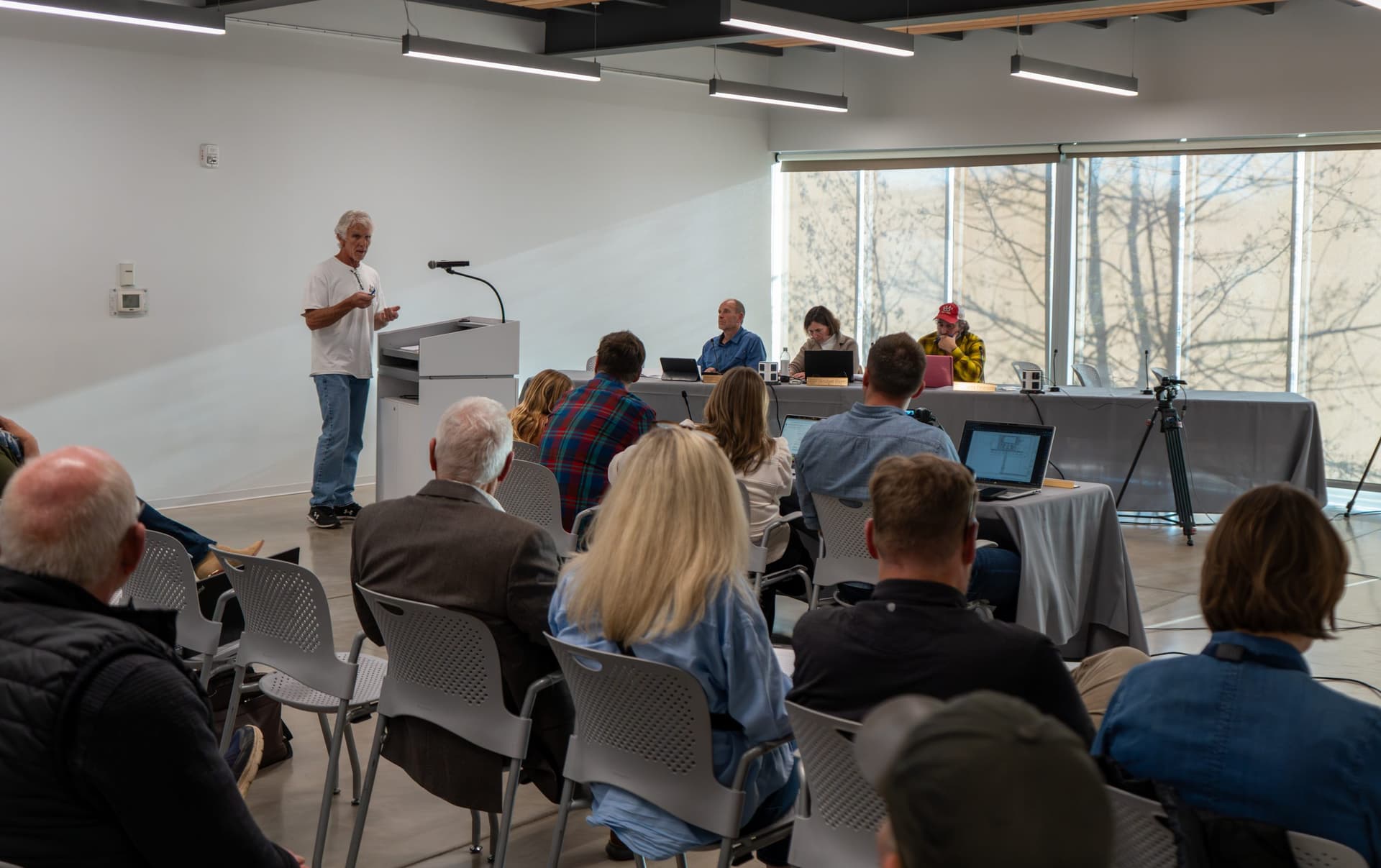
At the institutional level the Legislature enacted H. B. 356 to create district based County Council seats, sparking a year long debate over representation, public meetings, and the Summit County Districting Commission's work. Redistricting discussions focused on balancing mountain and valley voices, ensuring fair access to elected office, and clarifying how district lines would affect voting patterns in future council elections. The process increased turnout at public hearings and sharpened scrutiny of county governance.
Other issues shaped the county's agenda. Transportation planning accelerated in preparation for the Olympics, while open space acquisition efforts struggled amid federal budget changes. Local health department funding pressures emerged as an ongoing concern for public services and emergency readiness. Together these matters linked land use, fiscal policy, and service delivery to long term quality of life.
For residents the year delivered practical consequences: contested developments changed neighborhood character, court outcomes determined who controls land use, and redistricting will affect political representation. As 2026 begins these institutional battles and civic responses will continue to define Summit County policy and governance, making sustained public participation and transparent decision making vital for accountability.
Know something we missed? Have a correction or additional information?
Submit a Tip