Harte seeks reelection, cites open space, housing and growth planning
Harte points to the 910 Ranch, 14,000 acres preserved and a new housing authority as proof of progress. Voters must decide whether those results match Summit County’s deepening land-use and affordability strain.
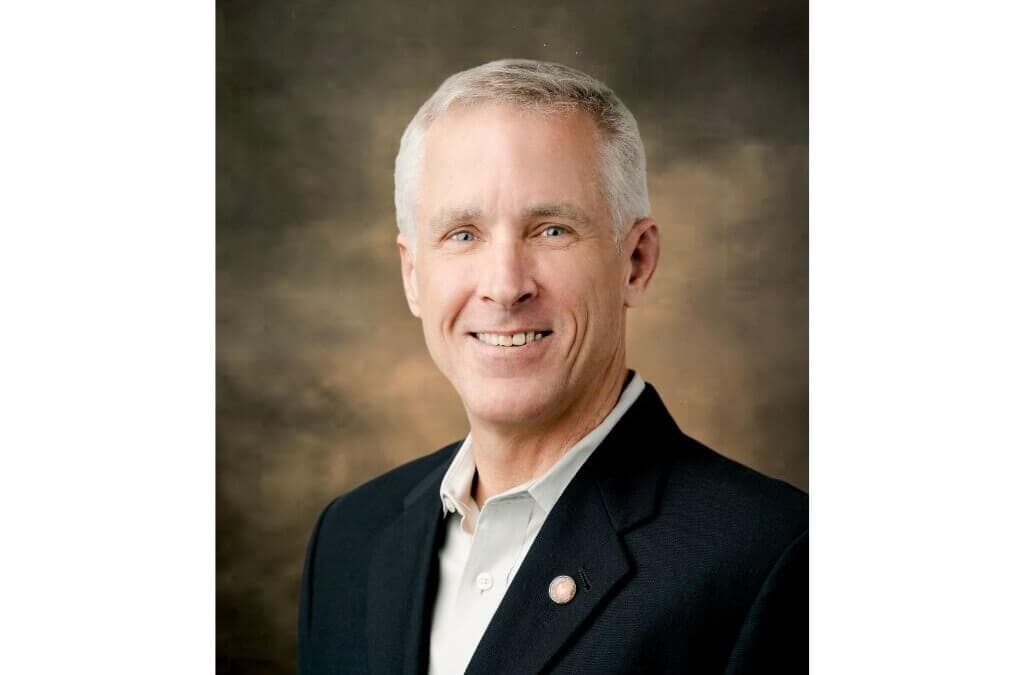
Canice Harte is asking voters to reward a first term he says was defined by protecting land, adding housing tools and preparing Summit County for the next wave of growth, but the record he is running on is a mix of finished deals, new institutions and pressures that still outpace supply.
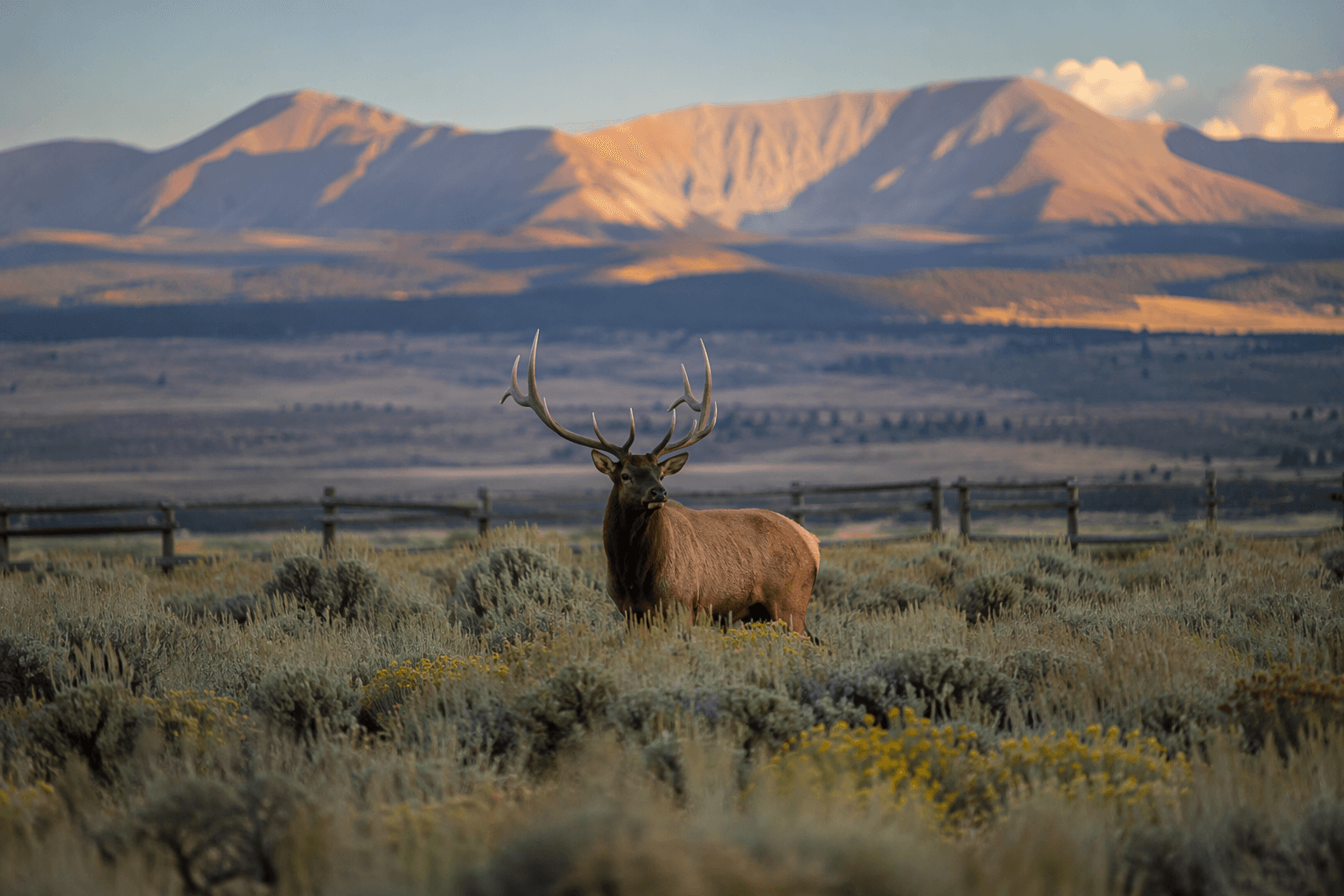
The clearest success is the 910 Cattle Ranch. Summit County first considered the purchase on August 24, 2023, in an option agreement for an 8,576-acre property north of Jeremy Ranch, with a $55 million transaction structure. The county finalized the acquisition on January 16, 2026, and said the deal permanently protects 8,588 acres of forestland and wildlife habitat in Summit and Morgan counties, the largest land acquisition in county history. Funding came from a $15 million commitment from the county’s 2021 general obligation bond for open space and a $40 million Forest Legacy grant.
Harte has also pointed to other land conservation work, including Ure Ranch, as part of a broader strategy to keep wetlands, waterways and wildlife habitat from being carved up by growth. That effort has been substantial: Summit County voters approved the $50 million open-space bond in 2021, and by January 2025 county officials said it had already helped preserve about 14,000 acres over three years, with roughly $15 million still available. For a county where the Snyderville Basin remains one of the most coveted development fronts in Utah, those acres are a measurable outcome, not just a promise.
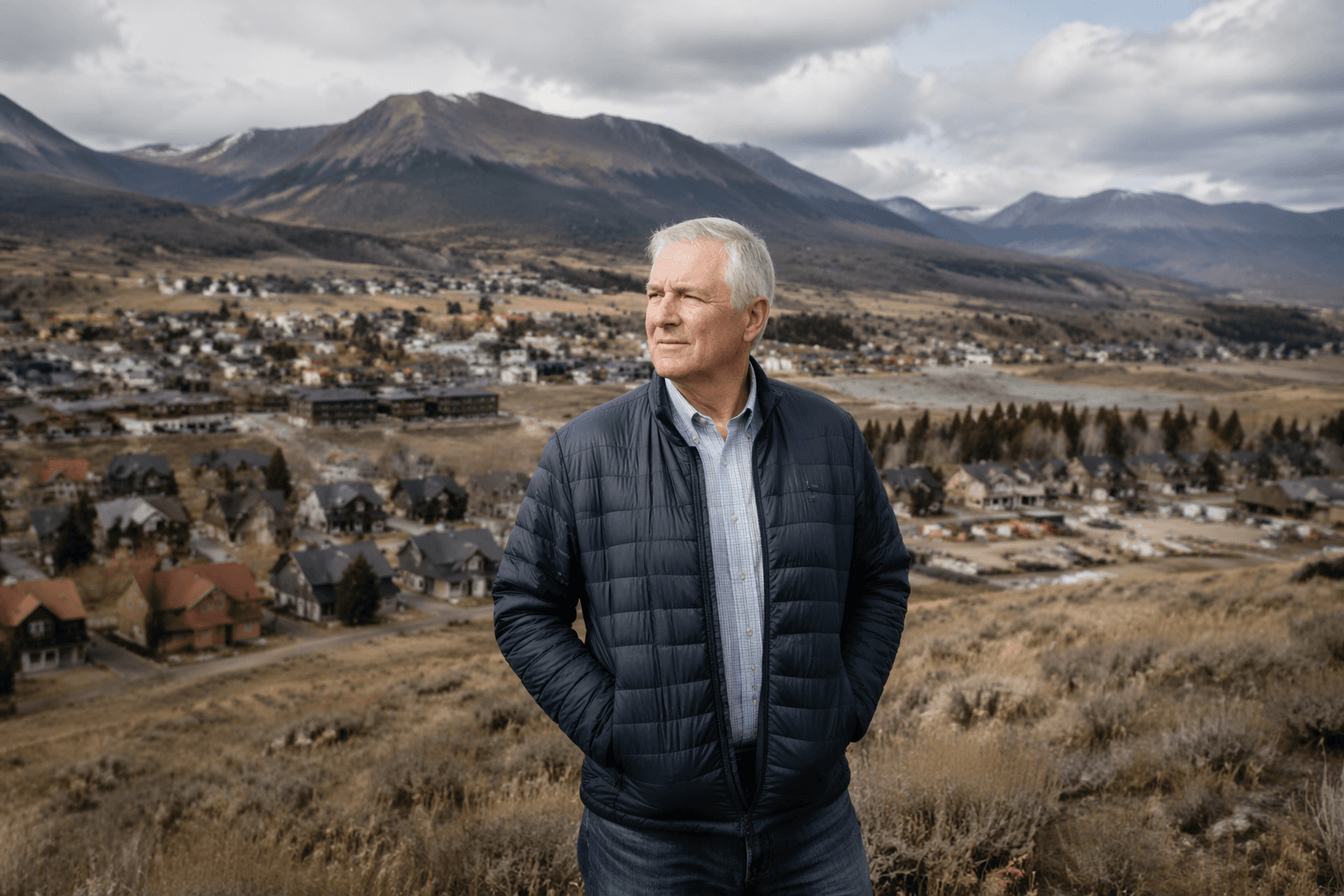
But the same preservation strategy carries a cost. Harte has acknowledged that every time the county protects more open space, it can add pressure to an already tight housing market. The Kem C. Gardner Policy Institute has estimated Summit County faces a nearly 1,700-unit housing deficit, and a separate KPCW report cited a 1,674-unit shortfall for affordable housing. That gap is why Harte is also leaning on the Summit County Housing Authority, which county leaders approved in December 2024 after earlier joint efforts with Park City stalled.
The housing authority gives Summit County new tools, including tracking housing data, studying utility costs, creating incentives for affordable housing in eastern Summit County and working with employers on worker-housing programs. Harte also backs infill development and accessory dwelling units, the kind of projects that use already-developed land instead of pushing farther into open space.
Transportation and Olympics planning add another layer. Park City and Summit County officials began discussing 2034 Winter Olympics logistics and transportation soon after the Games were awarded to Utah in 2024, and local leaders in 2026 said they were studying infrastructure, visitor flow and transit after observing the Milano-Cortina 2026 Games in Italy. The question now is whether Harte’s first term delivered enough visible progress on land, housing and planning to justify another.
This article was produced by Prism’s automated news system from verified source data, official records, and press releases, then run through automated quality and moderation checks before publishing. The system is built and supervised by the people who set the standards it runs under. Read our full AI policy.
Did this article answer your question?