Housing Authority backs Rasmussen Road mixed-use housing proposal
The Housing Authority backed the Rasmussen Road project as Summit County’s draft plan projected a need for 429 affordable units a year.

The Summit County Housing Authority backed a proposed mixed-use housing development on Rasmussen Road, adding official support to a project first floated in 2021 in the Snyderville Basin. The endorsement comes as the county’s draft housing plan projected an annual need for 231 affordable rental units and 198 affordable owner-occupied units, a total gap that dwarfs any single proposal.
The same September 2025 draft strategic plan said 10% of homeowners and one in six renters in Summit County spend more than half their income on housing. It also tied its projection to the May 2019 Regional Housing Needs Assessment for Summit and Wasatch counties, underscoring that the affordability pressure has been building for years, not months.
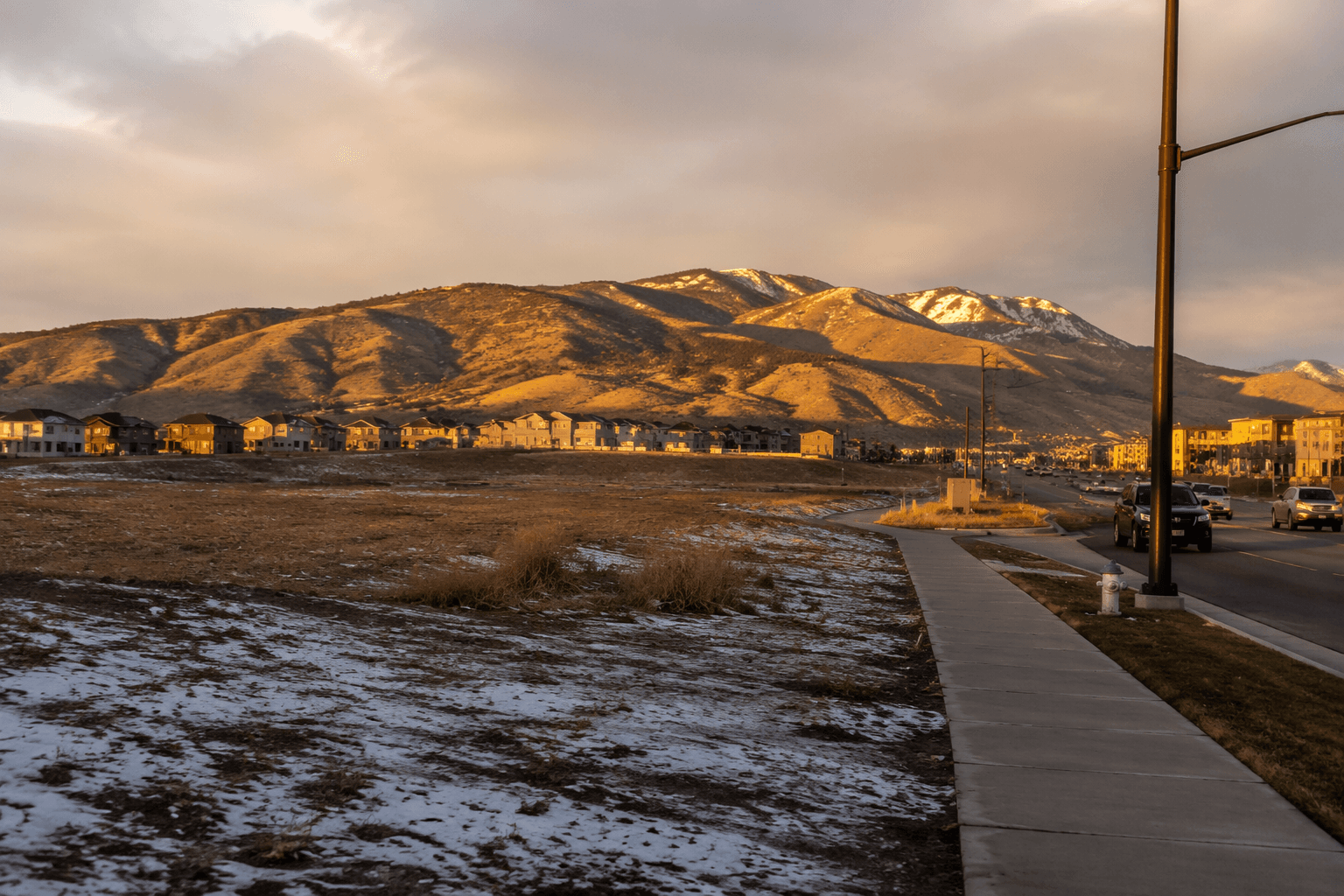
The Rasmussen Road site has been part of that conversation since Nov. 12, 2021, when a housing and commercial development was proposed there as a mixed-use neighborhood in the Snyderville Basin. By June 2026, developer Vincent Criscione was publicly linked to the project and described as connecting it to both sustainability and affordable housing, a combination that has become a familiar pitch in a county where local wages have struggled to keep pace with home prices.
That tension is also central to the Housing Authority’s role. In February 2026, the authority was described as exploring attainable housing and a voucher program for workforce employees who typically earn between 30% and 50% of area median income, a range that captures many of the people keeping Summit County’s hotels, shops, services, and seasonal operations running. The authority itself was only formalized in 2025 after months of discussion, when the Summit County Council adopted bylaws in April 2025 and later selected four commissioners and an executive director.
The Rasmussen Road proposal now sits inside that broader county effort to build enough housing for residents who work here but cannot afford to live here. The Housing Authority’s backing gives the project institutional weight, but the county’s own numbers make the test clear: how many homes are built, who can afford them, and whether the supply arrives soon enough to matter.
This article was produced by Prism’s automated news system from verified source data, official records, and press releases, then run through automated quality and moderation checks before publishing. The system is built and supervised by the people who set the standards it runs under. Read our full AI policy.
Did this article answer your question?