Juror Reveals How Kouri Richins Murder Panel Shifted from Sympathy to Guilty
Foreperson Laura says jurors "did not want to find her guilty" — until cellphone data tracking Kouri Richins' drug purchase movements changed everything.
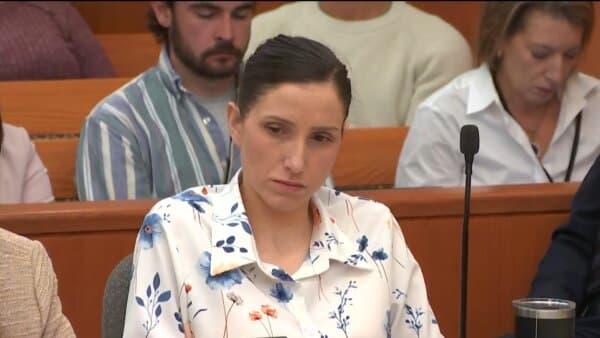
A Summit County jury found Kouri Richins guilty on March 16, 2026, but the foreperson of that eight-member panel says the room started in a very different place: with grief, reluctance, and sympathy for a mother of three.
Laura, who served as juror No. 2 and foreperson, told ABC's Good Morning America in an exclusive interview that the jury's emotional starting point made the weight of what they ultimately did all the heavier. "People were really sad because they did not want to find her guilty … and it was really heartbreaking," she said. The shift came from the evidence.
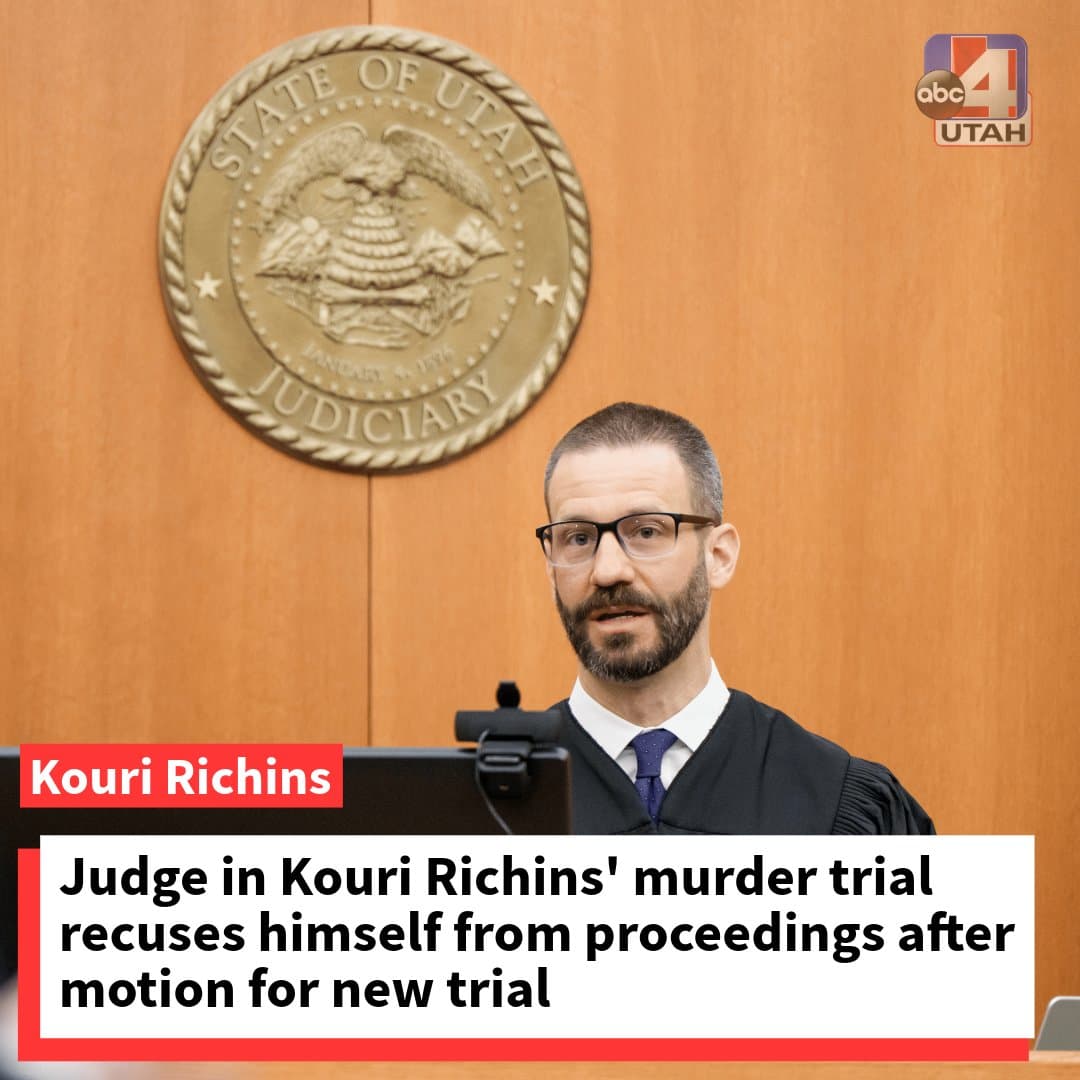
Third District Court Judge Richard Mrazik read a guilty verdict on all five felony charges: aggravated murder, attempted homicide, two counts of insurance fraud, and forgery. Richins faces 25 years to life in prison. A sentencing hearing is scheduled for May 13.
Prosecutors said Richins mixed and served her husband a Moscow Mule cocktail she had allegedly spiked with a lethal dose of fentanyl at their home just outside Park City. The drink contained nearly five times what is considered a deadly amount of the opioid. In addition to the murder charge, the panel convicted Richins of attempted aggravated murder for a failed attempt to kill her husband on Valentine's Day, weeks before his death.
Laura described watching Richins throughout the three-week trial and struggling to read her. "She was kind of nondescript," Laura said. "She didn't really show that much emotion. I was trying to get some vibe from her and it was very hard to pick up any kind of vibe."
The turning point, Laura said, was the forensic evidence. "I was blown out of the water," she said, pointing to cellphone data that helped jurors track movements tied to alleged drug purchases. Although data from early 2022 was deleted from Richins' phone, a digital forensics analyst testified about dozens of internet searches made on a new phone she started using that April, including searches for "can fbi find deleted messages," "what is a lethal.dose.of.fetanayl," and "if someone is poisned what does it go down on the death certificate as."

Rather than taking an immediate vote, jurors held a roundtable discussion to talk through the evidence and their reactions. "Even though it was just three hours, I felt like we came into that deliberation fully loaded," Laura said. "To evaluate the case and to look at the evidence we had to zoom in on these little bits of evidence and kind of ignore all the fluff and ignore the drama."
The children's book rattled the panel. Within the year after Eric's death, Richins garnered attention for a children's picture book she authored called "Are You with Me?" centered on ways to cope with the loss of a loved one. Weeks after appearing on a local TV program to promote her book, she was arrested and charged with aggravated murder in connection to his death. When jurors learned about the book in the final days of testimony, Laura said the reaction was visceral. "Everyone just felt like they're hit with a truck," she said. "We're like, what? What the hell is this? It was so odd and so strange."
Prosecutors alleged that Richins spiked Eric's cocktail with fentanyl in March 2022, after several earlier attempts, because she was millions of dollars in debt and believed she would inherit his estate. A forensic accountant testified that Richins received $1.3 million in death benefits from insurance policies, of which she spent about half in a few months settling debts, and that during the period between January 2021 and March 2022, she bounced 236 checks totaling $360,000 and incurred $5,600 in overdraft fees.
Richins declined to testify during the trial, which lasted three weeks and featured testimony from some 40 witnesses. The deliberation produced no dissent. "There was never a not guilty check with anything, with any element, nothing," Laura said. "We all led to the same conclusion that she was guilty."
While Richins waits for sentencing in the murder case, she still faces 26 felonies in another case prosecutors filed last June. The charges include mortgage fraud, money laundering, and issuing bad checks in the years leading up to Eric's murder. Sentencing was scheduled for May 13, a date that coincides with what would have been Eric Richins' 44th birthday.
This article was produced by Prism’s automated news system from verified source data, official records, and press releases, then run through automated quality and moderation checks before publishing. The system is built and supervised by the people who set the standards it runs under. Read our full AI policy.
Did this article answer your question?