New planning commissioner recuses himself from Park City Mountain lift talks
Adam Strachan will sit out Park City Mountain lift talks, a move that puts public trust front and center as the Planning Commission revisits a fight over resort growth.
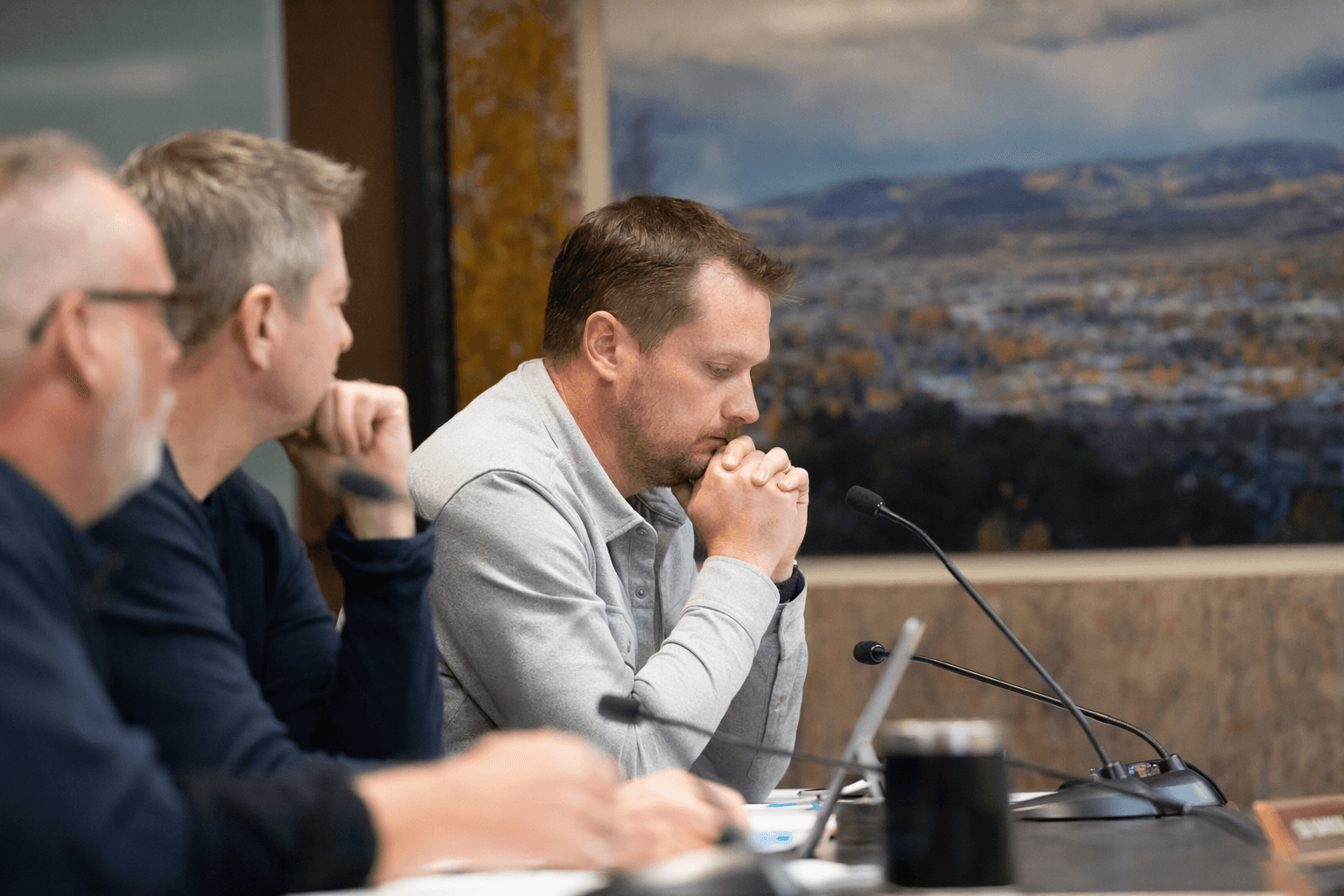
Adam Strachan is taking himself out of Park City Mountain’s lift-upgrade debate before it reaches the Planning Commission, a quiet but consequential step in a city where resort land-use decisions can shape traffic, tourism and neighborhood life for years.
Strachan, appointed by Mayor Ryan Dickey to fill the seat left by Commissioner Bill Johnson’s resignation, said he will recuse himself from the upcoming talks. His new term runs through July 2028. The decision matters because Strachan is not a newcomer to the resort world, he has long represented Park City Mountain and Vail Resorts in personal-injury cases, and he previously served on the Planning Commission from 2008 to 2018, including a stretch as chair.

That history gives the recusal extra weight. The Planning Commission is not making a casual recommendation here. It will review conditional use permits for one of Park City’s most visible and disputed resort projects, and its decision will help shape how the mountain handles skier circulation, access and the scale of lift infrastructure at Mountain Village. In a town where resort development is one of the most scrutinized civic issues, even the appearance of overlap between an applicant and a commissioner can erode confidence in the process.
Park City Mountain filed two permit applications on Jan. 27, 2026. One seeks to upgrade the Silverlode Express from a six-passenger detachable lift to an eight-passenger detachable lift. The other would replace the Eagle and Eaglet lifts in the First Time area with a single modern six-passenger detachable chairlift and a mid-mountain station. The resort says Eagle and Eaglet are about 30 years old.
The project has already been through a bruising cycle. The Planning Commission approved a previous lift package in 2022, residents challenged it, and the Utah Court of Appeals rejected that approval in August 2025. The legal fight centered on the resort’s 1998 development agreement and the question of comfortable carrying capacity, or CCC. After that ruling, Park City Mountain said it would resubmit permit applications, sending the lift debate back to the city.
The renewed proposal has split stakeholders in the way major Park City resort decisions often do. A Ski Utah leader called the upgrades “much, much needed,” especially for moving skiers and snowboarders onto the slopes in the morning. Residents and citizen critics have continued to raise concerns about traffic, neighborhood impacts and whether the project would exceed the resort’s allowed capacity.
Strachan’s recusal does not resolve those disputes, but it does put the focus where it belongs, on how Park City manages conflicts, real or perceived, when the next version of the mountain is on the table.
This article was produced by Prism’s automated news system from verified source data, official records, and press releases, then run through automated quality and moderation checks before publishing. The system is built and supervised by the people who set the standards it runs under. Read our full AI policy.
Did this article answer your question?