Oakley Council approves transportation plan to guide traffic, safety and SR-32 growth
Oakley City Council approved a localized master transportation plan in mid-to-late February 2026 to guide traffic, safety and SR-32 growth while limiting “‘suburbanization’ (auto-oriented development).”
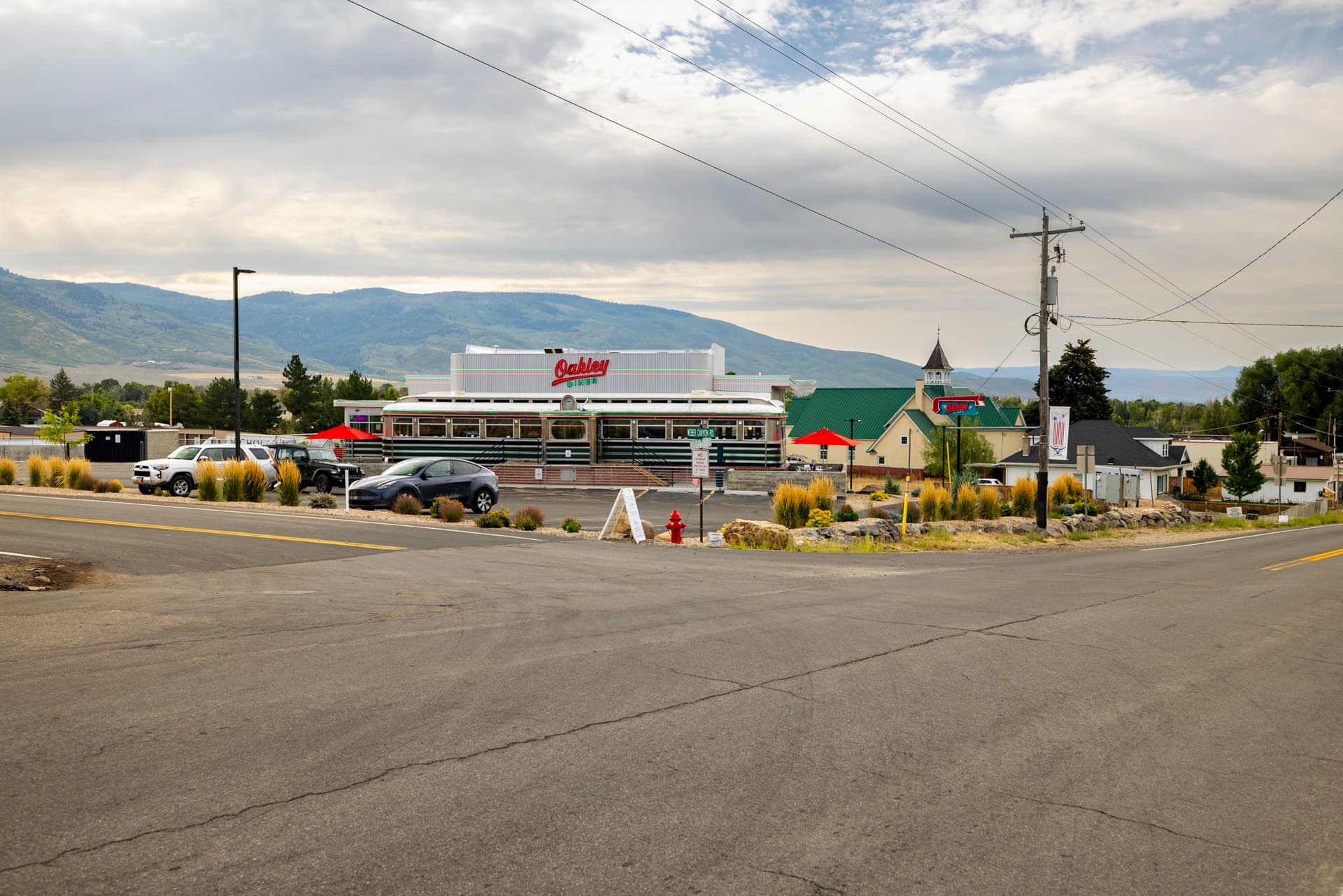
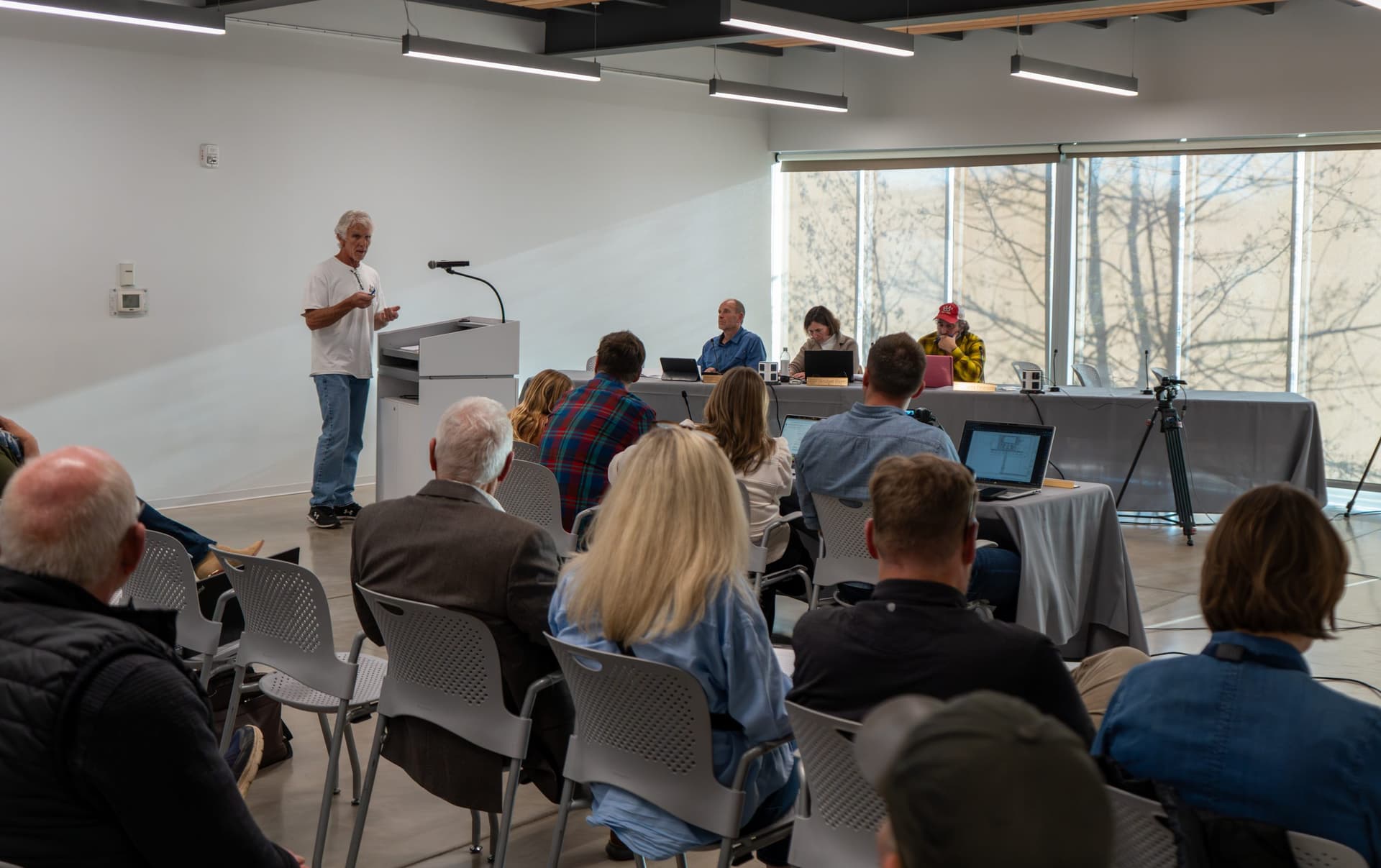
The City of Oakley will develop a localized master transportation plan, after the City Council approved the initiative in mid-to-late February 2026, to "guide traffic, safety, and growth decisions in conjunction with the SR-32 Corridor and City Centers Plan." The council action directs new planning work tied explicitly to SR-32 and the city’s centers, though the official vote tally and meeting minutes were not released with the announcement.
The decision builds on language already embedded in Oakley’s planning documents. The Oakley Master Plan excerpts present "The Four FOCUS AREAS: investing enhancing managing connecting" and label them as IN OUR BUSINESSES, OUR COMMUNITY, OUR FUTURE GROWTH and CONNECTING OUR NEIGHBORHOOD. The plan text states, "Oakley strives to preserve and grow its strong collection of local businesses through emphasizing business diversity, creative business resources, parking solutions, and walkability" and that "Oakley’s pride has generated a strong sense of community that must be nurtured through generating creative ideas for developing and preserving public spaces."
Transportation and land-use priorities from the Master Plan provide concrete direction for the new effort. Managing our future growth, Goal 1 reads: "Assure that future growth is guided by zoning and planning that will preserve Oakley as a thriving, unique, and pedestrian-scaled urban neighborhood." The plan further directs policymakers to "Identify a realistic maximum density for multi-family development so that adequate space is provided for off-street parking and landscaping," and to "Initiate zoning text and map amendments specifically to limit the further ‘suburbanization’ (auto-oriented development) of Oakley" while also "Evaluate the appropriateness of the existing zoning map for vacant and underutilized properties."
Public engagement procedures outlined in the Master Plan will likely shape the transportation plan process. The excerpts note that "As a result of the Kick-off Meeting and the collected feedback, four focus areas were conceived that would evolve into the four Working Groups. The Working Groups each created their individual visions for the Oakley Master Plan." The document also states that "Groups and members of the Steering Committee [will] discuss any final comments, questions, and suggestions to the Plan" and that "As with every open house meeting with the Oakley Master Plan, public input was an essential resource in guiding the Plan."

Key details remain unsettled in public materials: the council vote total, which council members supported the initiative, the city staff or consultant assigned to prepare the transportation plan, and the plan’s timeline, budget and formal relationship to the SR-32 Corridor and City Centers Plan. City Council meeting minutes and the Oakley planning department’s project files should list the next steps, any consultant contracts, and public meeting schedules for Working Groups and Steering Committee sessions.
Taken together, the council action signals that Oakley intends to prioritize multimodal connectivity, "Increasing connectivity through public transportation, bicycle use, pedestrian safety, and traffic calming will ultimately ensure Oakley’s safety, walkability, and economic sustainability", while using zoning and parking guidance to preserve the "pedestrian-scaled urban neighborhood" character described in the Master Plan. The coming weeks should reveal the staff report, scope documents and public meeting dates that will translate those priorities into specific projects along SR-32 and within Oakley’s city centers.
Know something we missed? Have a correction or additional information?
Submit a Tip