Parents Sue Salt Lake City Over Airport Death of Kyler Efinger
Judd and Lisa Efinger filed a lawsuit Tuesday against Salt Lake City after their 30-year-old son, Park City resident Kyler Efinger, died nearly two years ago when he crawled into an airplane engine cowling at Salt Lake City International Airport. The lawsuit alleges failures in perimeter security and communication that, the family says, allowed a disoriented man to reach the tarmac and were decisive in his death.
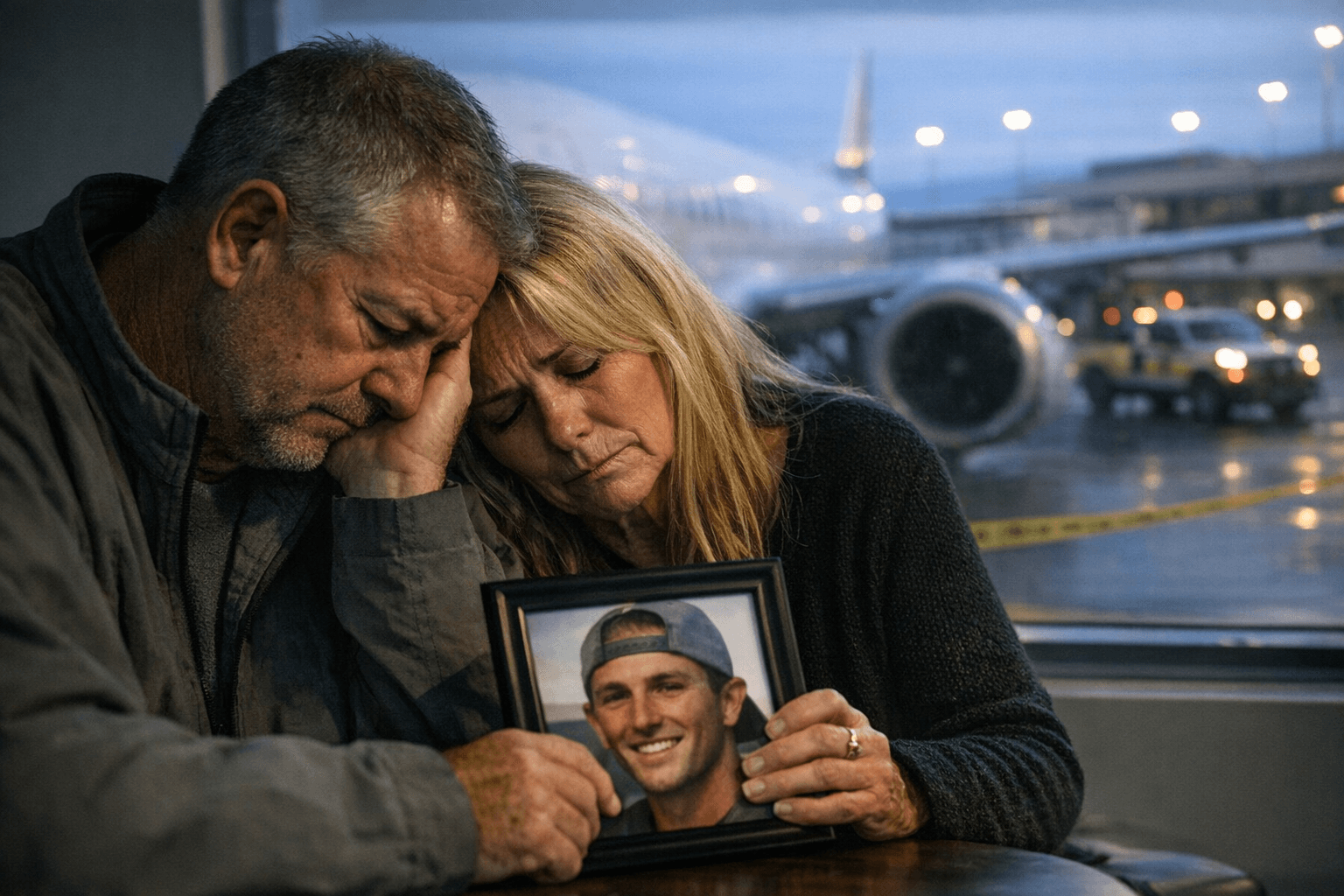
Kyler Efinger, a 30-year-old man from Park City who lived with bipolar disorder, died nearly two years ago after he crawled into the engine cowling of an aircraft at Salt Lake City International Airport. His parents, Judd and Lisa Efinger, filed a civil lawsuit Tuesday against Salt Lake City that lays blame on the airport and its response systems.
According to the complaint, Kyler tried several locked doors at airport gates before leaving through an emergency exit at 9:54 p.m., which led him into the airport’s outdoor ramp area. The lawsuit contends the airport lacked effective systems to prevent someone from accessing the tarmac and that those gaps allowed Kyler to reach a live aircraft.
The suit further alleges that airport personnel or police did not notify the pilot that a disoriented man was wandering on the runway. The pilot taxied the aircraft and only discovered the situation when it was too late, the complaint says. Plaintiffs argue that had police located Kyler 30 seconds earlier, he would have survived.
The allegations raise questions about multiple layers of airport safety and municipal responsibility. Salt Lake City operates the airport and oversees coordination between airport security, police, and air traffic controllers. The lawsuit centers on whether those systems and lines of communication functioned as required in the minutes before the incident. For residents, the case foregrounds the public safety implications of perimeter controls, door and gate alarms, on ramp surveillance, and real time communication protocols between ground responders and flight crews.
Beyond hardware and procedures, the case intersects with public health and policing policy. Kyler’s diagnosis of bipolar disorder underscores the need for training and response approaches that recognize mental health crises and minimize harm. Families and community members may press elected officials and airport administrators for reviews of staffing, physical barriers, alarm systems, and response protocols to prevent similar tragedies.
The Efingers’ lawsuit could prompt a formal review of airport safety practices and municipal liability, and it is likely to be closely watched by travelers, airport employees, and local policymakers. As the legal process proceeds, Summit County residents can expect scrutiny of how the city balances open public access, efficient airport operations, and the duty to protect vulnerable individuals who enter secure parts of the airfield.
This article was produced by Prism’s automated news system from verified source data, official records, and press releases, then run through automated quality and moderation checks before publishing. The system is built and supervised by the people who set the standards it runs under. Read our full AI policy.
Did this article answer your question?