Park City Councilor to Study European Aerial Transit Systems, Combat Traffic Congestion
Councilor Bill Ciraco is self-funding a late-April trip to study gondola systems from the same maker Park City hired to assess a Deer Valley aerial route.
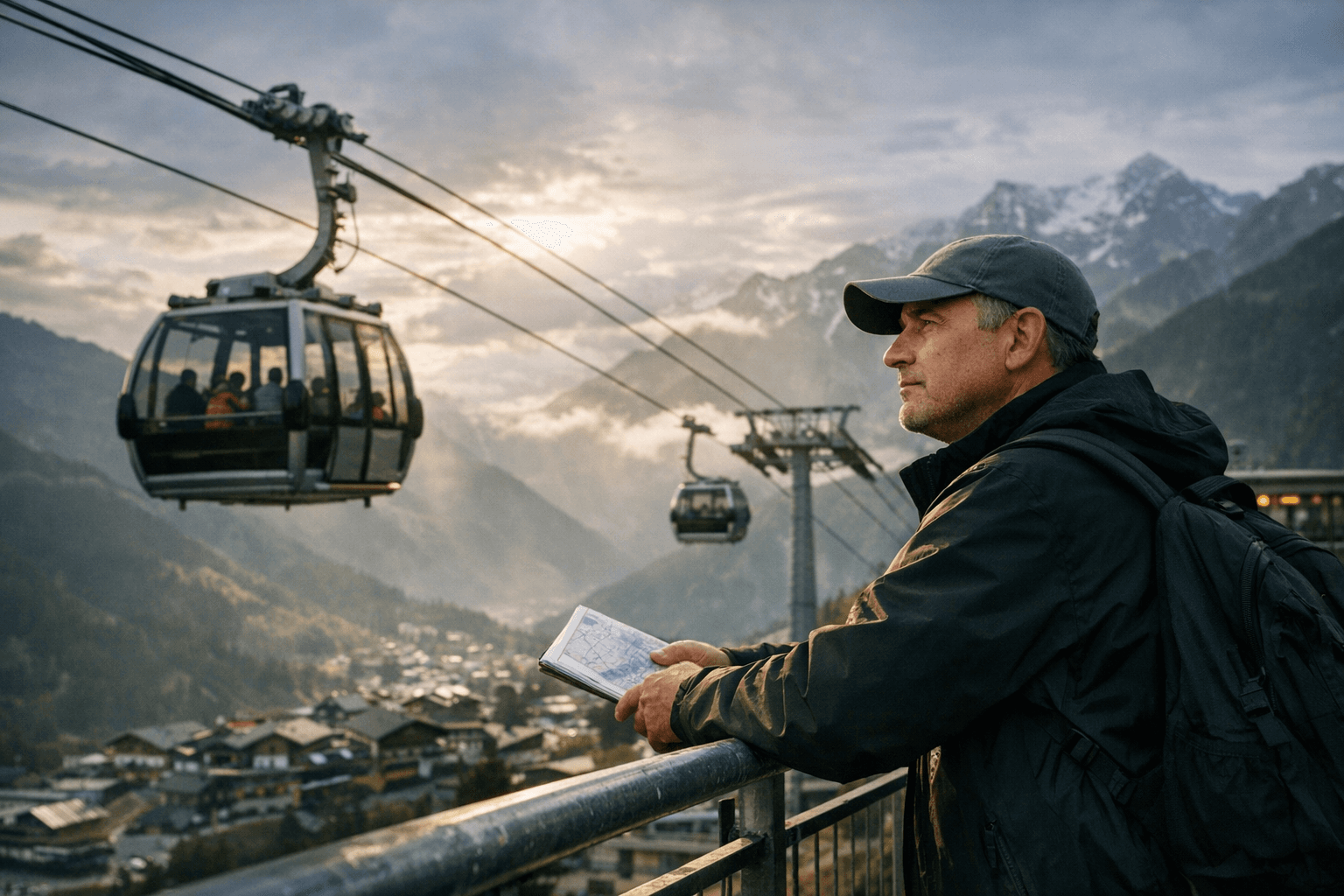
Bill Ciraco has a pointed question for the Swiss: how do you move a ski town that's gridlocked by design?
The first-term Park City Council member is set to join a state trade mission to Switzerland and Germany from April 13 to April 22, pending a final council vote, to examine aerial transit technologies that could reshape how residents and visitors navigate one of Utah's most chronically congested resort corridors. Ciraco said he will pay for the trip himself without requesting taxpayer reimbursement, mirroring the self-funded approach he took when attending the 2026 Winter Olympics in Milan in February. What Park City owes him is something harder to invoice: a structured accounting of what he brings back.
The mission's most direct local payoff would be firsthand study of Doppelmayr/Garaventa gondola system configurations at the source. Doppelmayr is the same Swiss-Austrian manufacturer already involved in Park City's aerial transit planning, where city staff, Deer Valley Resort, and transportation consultant SE Group spent 2025 evaluating five potential terminal sites along Swede Alley for an aerial route to Deer Valley's Snow Park base. The city's contract with SE Group's Sno-Engineering arm, valued at $76,500, covers that gondola feasibility work. A majority of the City Council has expressed support for studying the Snow Park-to-China Bridge garage connection specifically. Seeing Doppelmayr's operational mockups in person, and learning which aerial configurations best handle resort-level ridership, could give Park City's analysis the grounding that a desktop feasibility study alone cannot deliver.
A session with Stadler Rail, a Swiss rail vehicle manufacturer, is also anticipated, though Park City is not pursuing rail as an immediate transit option.
Ciraco has cast the inquiry in competitive terms. "There is competition for the types of visitors Park City seeks to attract," he said. "How do we stand out from the crowd?" His argument is that a functional aerial connection could differentiate Park City from other mountain resort destinations in ways that expanded shuttle service and structured parking have not.
The urgency is supported by the city's own assessment. Park City's transportation questionnaire formally acknowledged that "congestion will worsen" without intervention, and any gondola solution would require multi-government approvals, public input, and dedicated funding. A General Plan draft listed aerial transit as a low priority, and earlier surveys showed limited public support for the concept, suggesting Ciraco's trip is as much about building an evidence base as gathering technical data. The 2034 Winter Olympics, which brings competition to Park City venues, represents the most credible near-term funding catalyst for infrastructure of this scale.
World Trade Center Utah, led by President and CEO Miles Hansen, and the Governor's Office of Economic Opportunity co-organized the mission and invited Ciraco alongside business and government representatives. The trip's formal agenda extends beyond gondolas to advanced manufacturing, investment opportunities, apprenticeships, and workforce development. Utah exported $17.4 billion in goods in 2023, with 433,000 jobs representing 24.6% of all state employment tied to international trade.
When the council votes on Ciraco's participation, it should also set expectations for what comes next: at 30 days, which Doppelmayr contacts agreed to share technical data applicable to the Swede Alley corridor; at 60 days, which aerial configurations are most viable given Park City's topography and ridership projections; and at 90 days, whether any investment-track conversations produced funding leads relevant to a gondola connection before 2034. Park City has studied its traffic problem long enough to know its shape. The question is whether this trip accelerates a solution.
This article was produced by Prism’s automated news system from verified source data, official records, and press releases, then run through automated quality and moderation checks before publishing. The system is built and supervised by the people who set the standards it runs under. Read our full AI policy.
Did this article answer your question?