Park City finances stay strong despite weak winter tourism revenue
Park City’s March sales tax revenue fell about 20% as an early ski-season shutdown cut visitor spending, even as officials said the city’s finances stayed exceptionally strong.

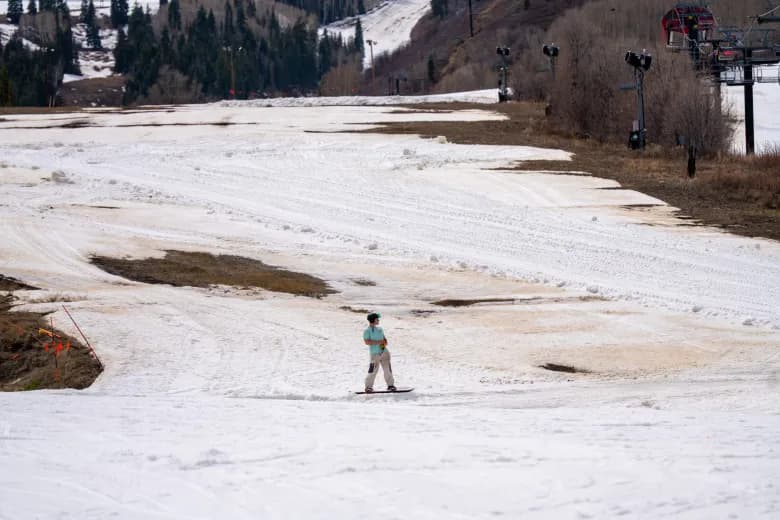
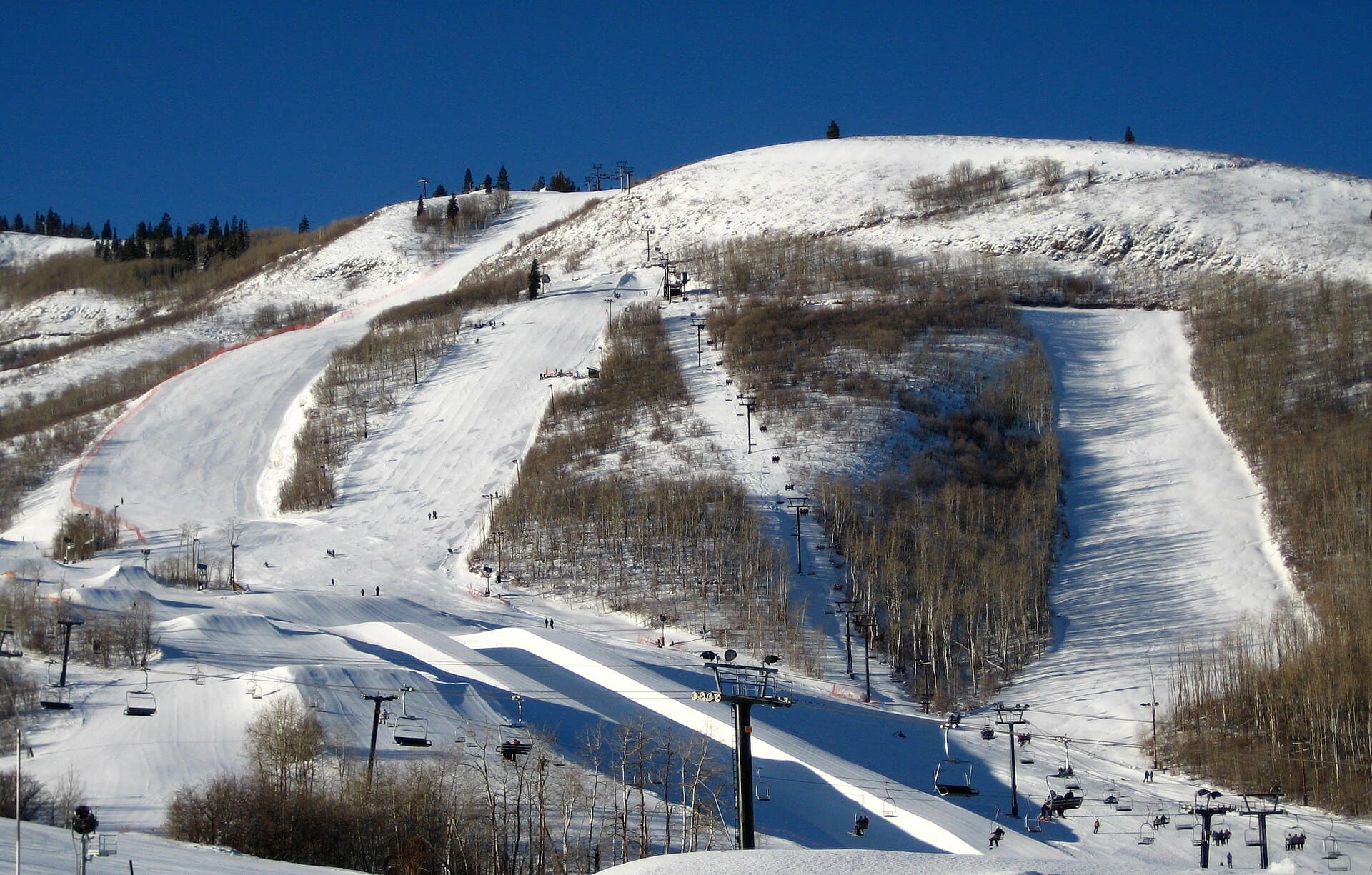
Park City officials were told the city’s finances remained exceptionally strong even after warm winter conditions forced Park City Mountain to announce an early April 2026 closing and cut into ski-season spending. The weakest point showed up in March, when sales tax revenue fell about 20% from March 2025 and overnight visitor numbers dropped with the early resort closures.
By mid-July, Park City’s sales taxes were slowly recovering, but the winter hit exposed how quickly a mountain-town budget can swing. In January 2025, sales tax revenue came in slightly above the prior year even as lodging tax revenue dipped by less than 1 percent, a mixed result that showed how one stream can hold steady while another softens.
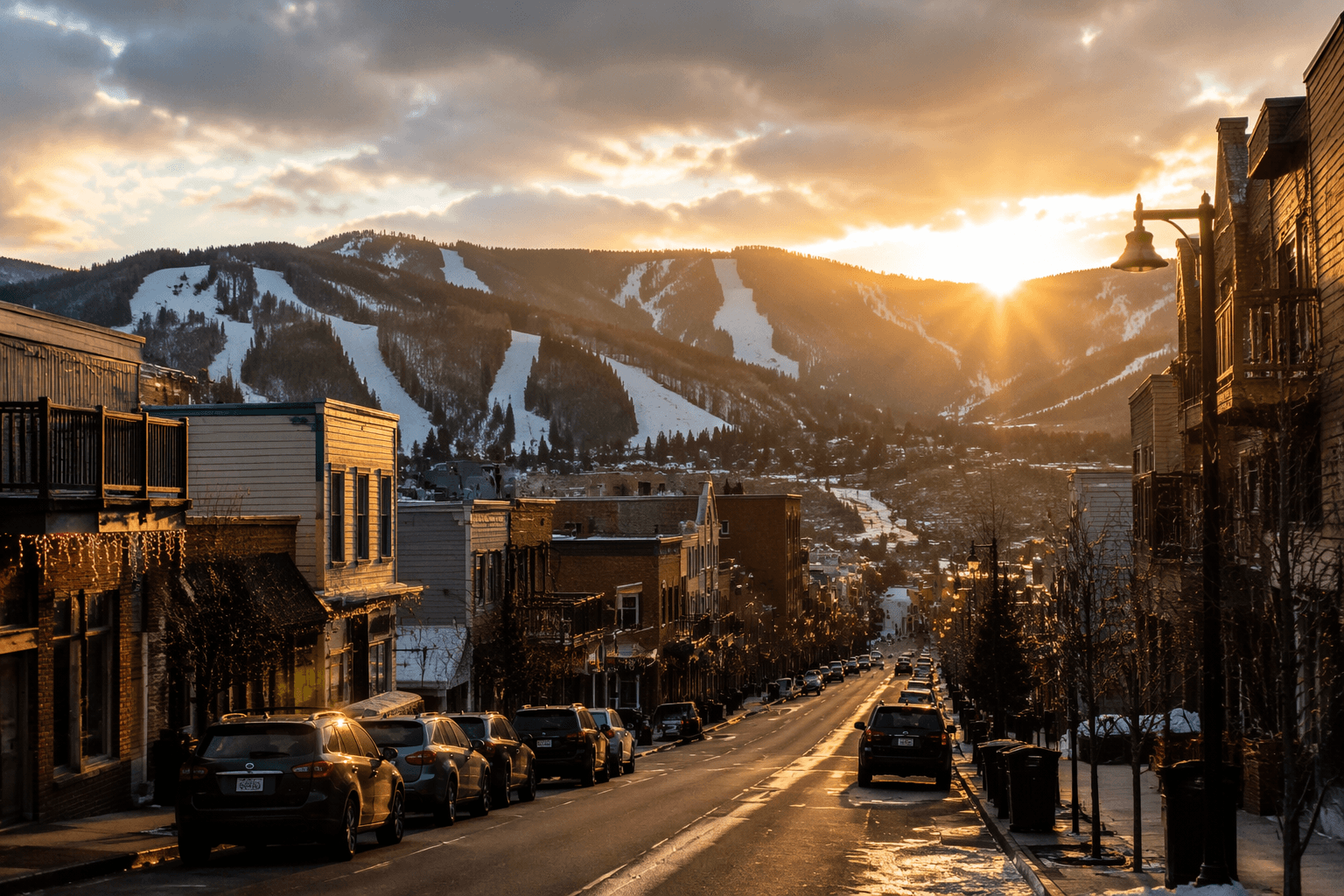
That volatility matters because Park City and Summit County remain closely tied to visitor spending. The Park City Chamber of Commerce & Visitors Bureau has long tracked that dependence, and the Kem C. Gardner Policy Institute put Utah’s ski industry at $1.94 billion in nonresident visitor spending during the 2022/23 ski season. Its tourism report also said Utah generated a record $11.98 billion in visitor spending in 2022, while Summit County ranked second in the state for visitor spending.
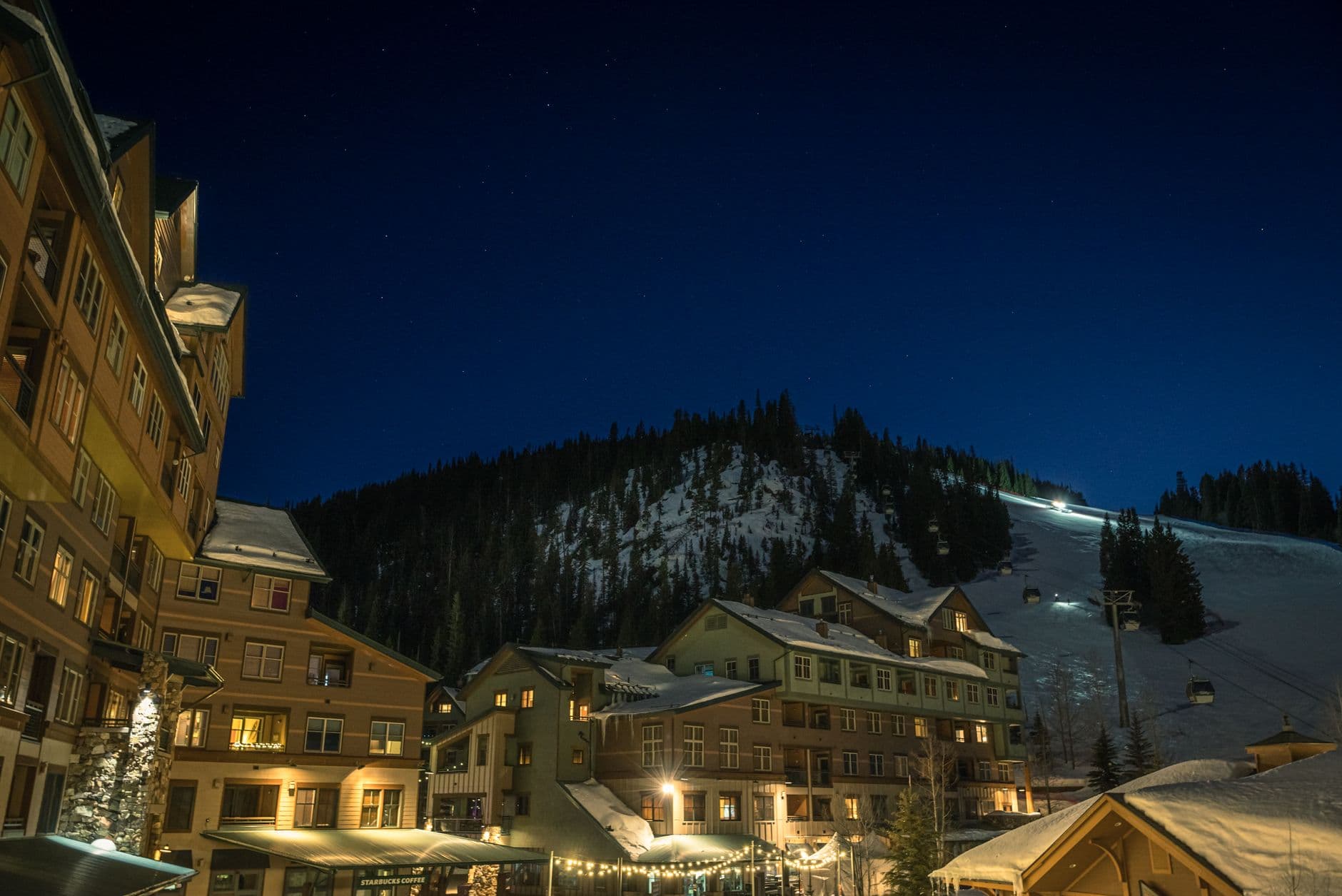
The city’s FY26 Budget Guide shows Park City Municipal Corporation still planning around a large municipal budget and a mix of property-tax and tourism-linked revenue sources. If weak winter conditions continue for more than one season, the first pressure would fall on sales taxes, lodging-related income and other visitor-dependent revenue, then on the city’s ability to keep up with infrastructure work, transportation needs and public-safety costs. Long-running affordability pressures would make that room even tighter.
Park City’s finances are not being treated as a crisis, but the winter numbers show the risk built into a resort economy. In a community where ski season drives so much of the tax base, another poor snow year would test how far that “exceptionally strong” position can stretch before service levels and capital plans start to feel the strain.
This article was produced by Prism’s automated news system from verified source data, official records, and press releases, then run through automated quality and moderation checks before publishing. The system is built and supervised by the people who set the standards it runs under. Read our full AI policy.
Did this article answer your question?