Park City hosts free forum on Utah's advanced nuclear energy plans
A free Park City forum put Utah’s nuclear push in local terms: power bills, water use, safety oversight and who carries the risk if the state lands reactors.
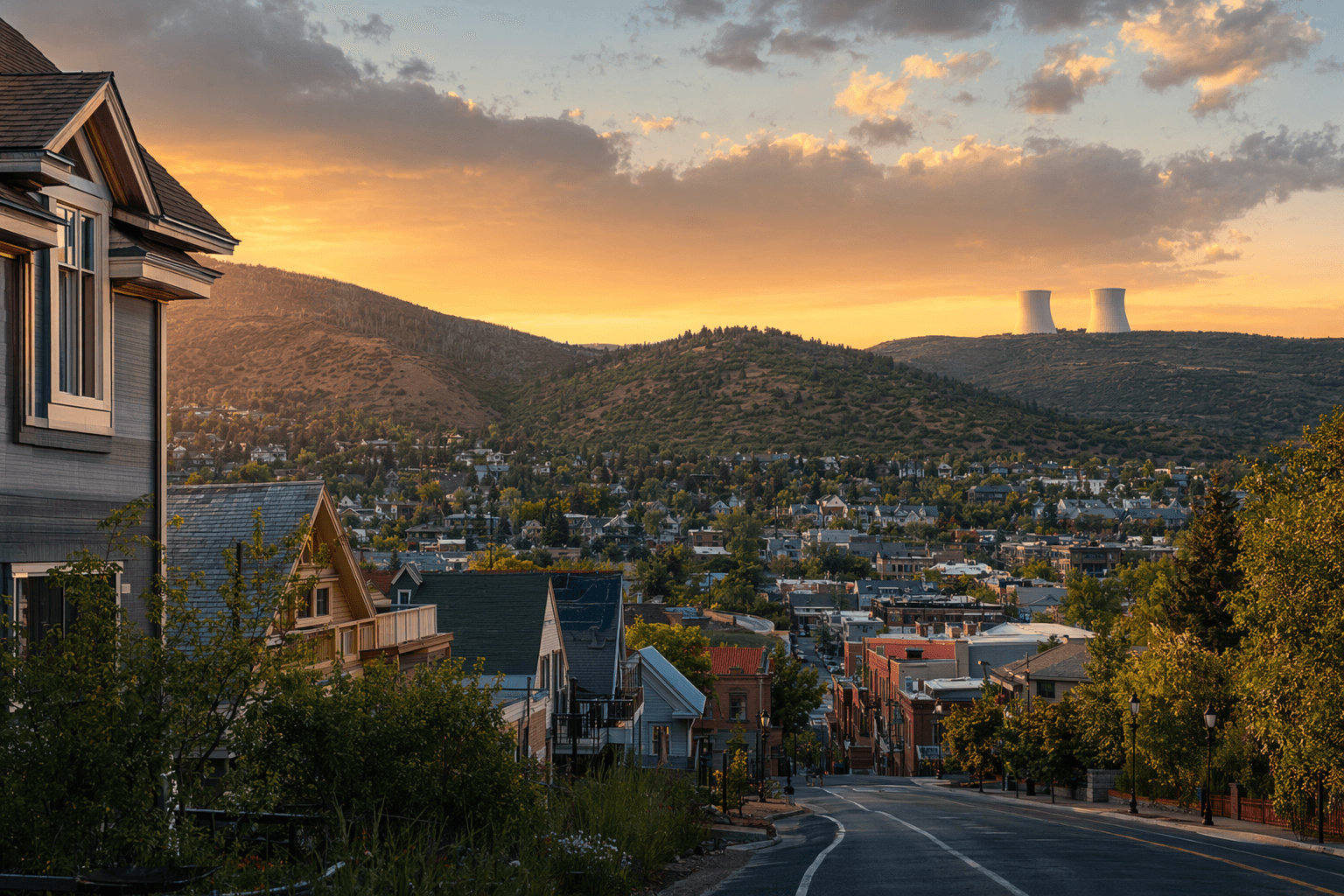
Advanced nuclear energy could affect Summit County even if no reactor is built here, and the questions most likely to matter tonight were the ones tied to daily life: whether Utah’s grid gets more reliable, whether power costs rise or fall, how much water new plants would use, and who would answer if safety problems ever surfaced. Those stakes framed a free public forum at the Blair Education Center in Park City, where residents heard from speakers tied to the Utah Office of Energy Development and the Wasatch Back chapter of Citizens’ Climate Lobby.
The event ran from 6 to 8 p.m. on April 28, 2026, and was pitched as a chance for locals to better understand advanced nuclear energy’s impacts, safety, risks and benefits to Utah. Summit County itself was not expected to be a reactor site, but that did not make the discussion remote. Utah’s energy mix, transmission needs and long-term waste questions would reach beyond any one county if the state succeeds in becoming a nuclear hub.
The broader push is part of Gov. Spencer Cox’s Operation Gigawatt strategy, which state officials say is designed to strengthen Utah’s economy and energy security. In March, Utah and Tooele County said they were responding to a U.S. Department of Energy request for information on a possible Nuclear Lifecycle Innovation Campus. That concept could stretch across the full fuel cycle, including fuel fabrication, enrichment, reprocessing used fuel, waste disposition, advanced reactor deployment, power generation and manufacturing. State leaders have said they expect the department to move quickly after the April 1 deadline and could respond within about six months.
Utah has also been laying groundwork with private industry. In August 2025, the Utah Office of Energy Development, TerraPower and Flagship Companies signed a non-binding memorandum of understanding to explore siting a Natrium reactor and energy storage plant in Utah. The agreement said site selection would hinge on community support, Nuclear Regulatory Commission licensing feasibility and access to infrastructure, three criteria that point directly to the issues residents often raise about safety, oversight and reliability.

State materials define advanced nuclear in tiers: microreactors can generate up to 50 megawatts, while small modular reactors produce 50 to 300 megawatts per module. Utah officials say the state already has a research reactor at the University of Utah, low-level waste disposal capabilities and a nuclear strategy aimed at the next 10 to 20 years. Tim Kowalchik, a research director with the Office of Energy Development, has said those assets give Utah a stronger position as it builds that strategy.
The numbers driving the debate are not small. Utah says the United States operates 94 reactors at 54 plants, producing about 20% of the country’s electricity and nearly half of its clean energy. In Utah, lawmakers set aside $18 million in 2024 for nuclear studies and community outreach, and state and federal leaders said in Park City that same year that Utah had to pursue advanced nuclear aggressively to meet future demand and cut carbon emissions. That is the backdrop for the forum in Park City: not whether nuclear belongs in the conversation, but how much risk, cost and control local communities are willing to accept as that conversation turns into policy.
This article was produced by Prism’s automated news system from verified source data, official records, and press releases, then run through automated quality and moderation checks before publishing. The system is built and supervised by the people who set the standards it runs under. Read our full AI policy.
Did this article answer your question?