Park City housing plan faces pushback over Bonanza Park safety concerns
Residents challenged Park City’s Bonanza Park housing plan, warning that a 5-acre site at Kearns and Bonanza could trade affordability for traffic and safety risks.

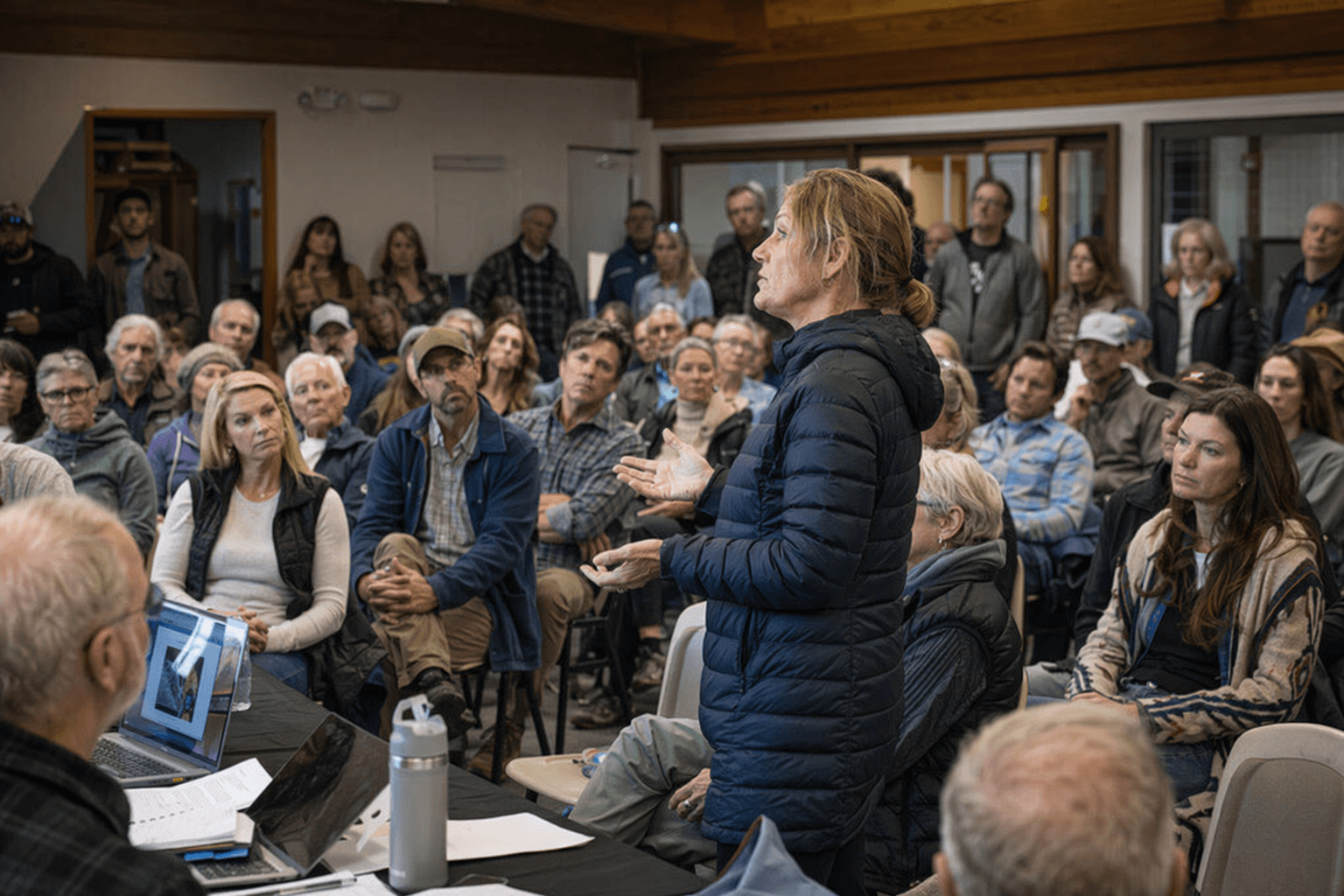
Several dozen people gathered near the Kearns Boulevard-Bonanza Drive intersection to confront Park City’s latest housing concept, and the loudest objection was not about density alone. It was about whether the city is asking future residents to accept one of its busiest, most congested corners in exchange for more attainable housing.
The proposal centers on about 5 acres of city-owned land in Bonanza Park, at the southwest corner of the intersection. Park City adopted the Bonanza Park Small Area Plan on July 11, 2024, and the city says the site moved into the land-use application phase on March 19, 2026. Officials have described the broader vision as an arts-centered, mixed-use district with affordable housing, local shops, restaurants and community gathering space, while also noting that multiple redevelopment projects are advancing at the same time across Bonanza Park.
That larger housing push is tied to a policy effort that dates back more than three decades. Park City says it adopted its first housing policies in 1993 and now has 674 affordable deed-restricted units. City officials say another 1,100 units will be needed over the next seven years to support workforce and middle-class residents, a gap that has pushed the city to look harder at publicly owned land.
But Bonanza Park is already one of the city’s most congested areas, and that is where the project is running into resistance. Residents and other attendees raised safety and traffic concerns about adding housing at a location they see as difficult for pedestrians, drivers and emergency access. Park City officials have already acknowledged transportation and evacuation concerns tied to development in the area, which has intensified the debate over whether the site is simply underused or fundamentally too risky for a major housing project.
The dispute also echoes a broader pattern around Park City’s housing decisions. In late September 2025, neighbors formed Keep Clark Ranch Wild to oppose the separate Clark Ranch proposal near U.S. Highway 40, citing traffic, steep slopes, high construction costs and a lack of nearby services. That project, described as more than 200 units of mostly affordable housing on roughly 10 acres south of Park City Heights, shows how quickly the city’s housing agenda can turn into a fight over roads, safety and neighborhood impact.
For now, Bonanza Park has become the latest test of Park City’s long-term growth strategy: whether affordability can be delivered without putting more people into places residents already consider unsafe.
This article was produced by Prism’s automated news system from verified source data, official records, and press releases, then run through automated quality and moderation checks before publishing. The system is built and supervised by the people who set the standards it runs under. Read our full AI policy.
Did this article answer your question?