Park City joins Utah clean energy program for renewable power access
Park City joined a 16-community clean energy program that will add about $4 a month to most electric bills and could bring the first projects online by 2028 or 2029.
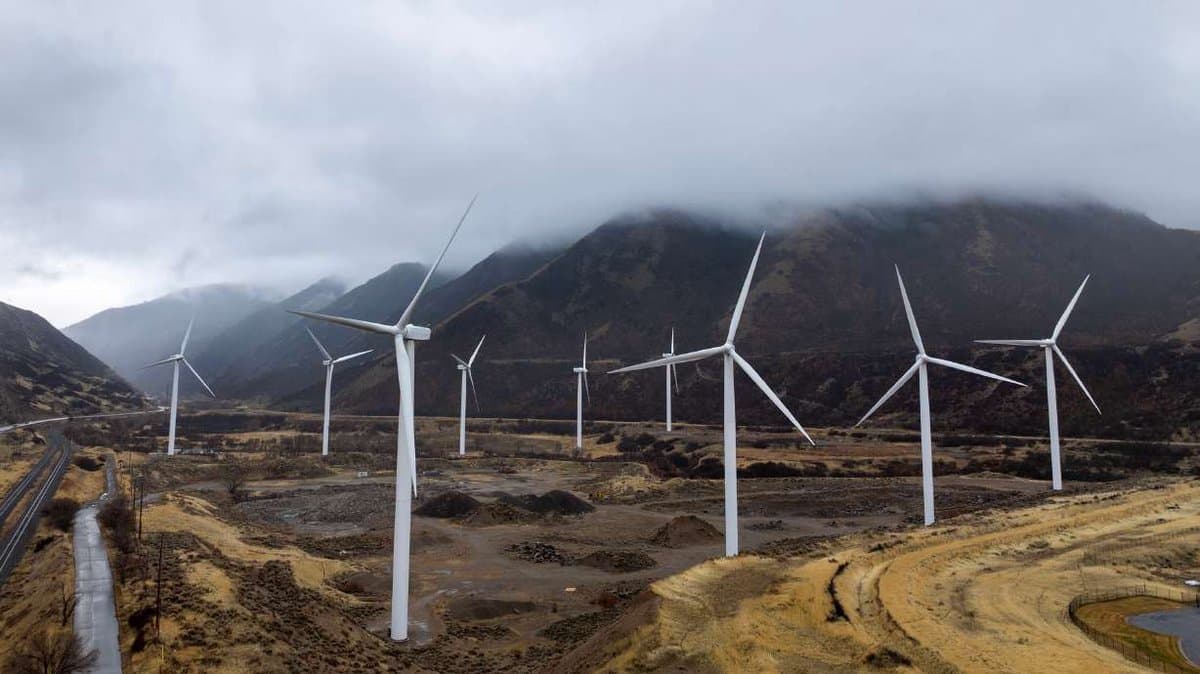
Park City has signed onto Utah’s new Community Clean Energy Program, a move that will put the city and its electric customers inside a statewide push for net-100% renewable power. The City Council unanimously approved the ordinance on April 30, joining Summit County and 15 other Utah communities in the first wave of the program.
The practical effect for residents will show up on monthly bills. Most residential customers in participating communities are expected to pay about $4 more each month, while businesses will see a usage-based rate increase. Low-income residents are exempt from the extra fee and from the opt-out termination fee, and customers will have six months after launch to leave the program without penalty.
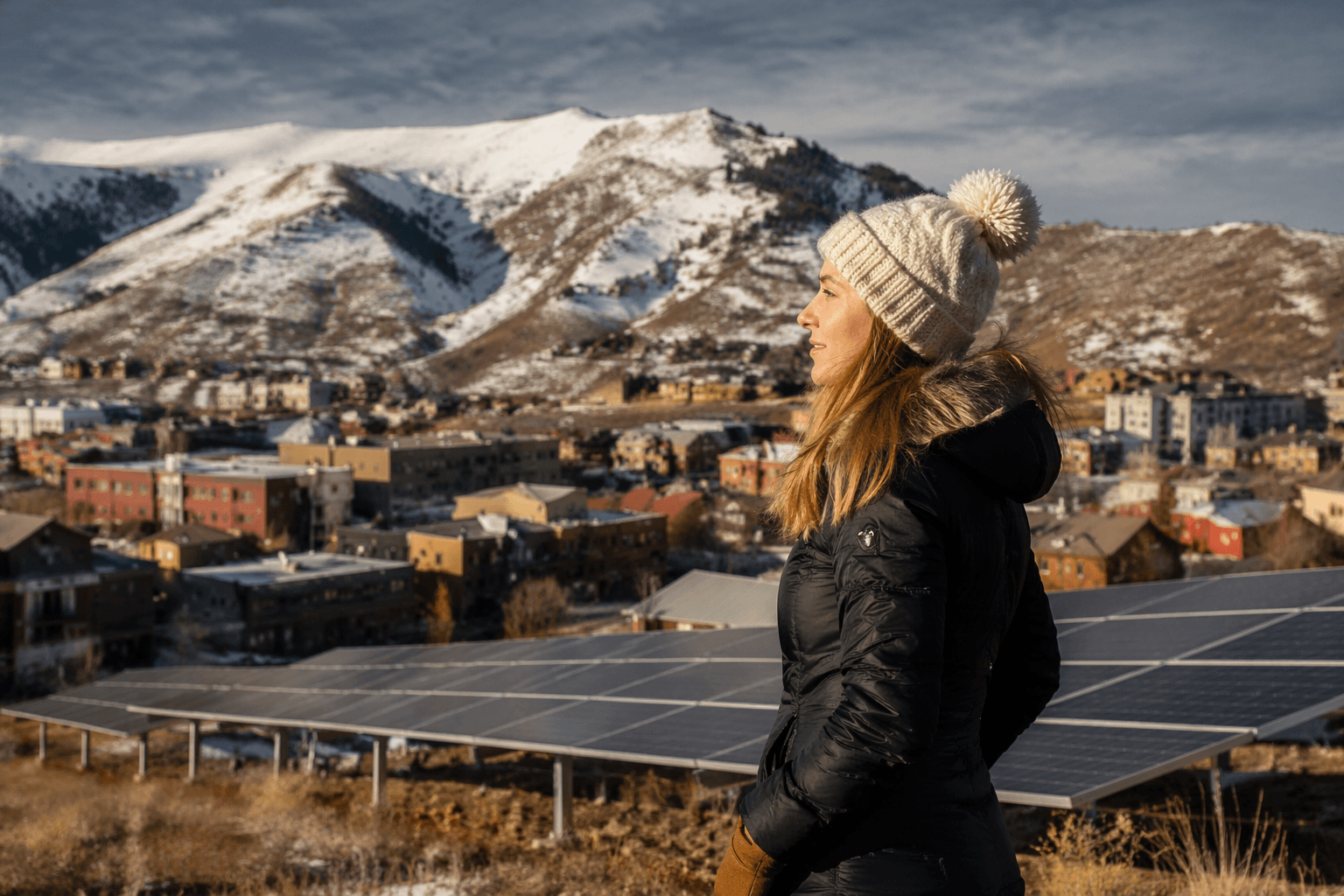
The program is being run through Utah Renewable Communities in partnership with Rocky Mountain Power, and the Utah Public Service Commission approved it on March 4 after a collaboration that began in 2019. Supporters say the initiative is designed to help participating communities finance new utility-scale clean energy resources, including solar, wind, geothermal and hydroelectric projects.
By the June 2 ordinance deadline, 16 of the 19 Utah communities that were eligible had opted in, leaving three communities on the sidelines. That means Park City and Summit County are part of a smaller group that will move first, with the program expected to roll out later in 2026 or early 2027. Backers say the first renewable projects funded through the program could come online by 2028 or 2029.
For Summit County residents, the next year will be less about ribbon-cuttings than about bill statements, opt-out notices and whether the promise of cleaner power turns into concrete projects that can be measured on the ground. The new program is being sold as a first-of-its-kind model in Utah, but its value will be judged locally by what appears on electric bills, how many customers stay in, and whether the first large-scale projects actually reach construction on schedule.
This article was produced by Prism’s automated news system from verified source data, official records, and press releases, then run through automated quality and moderation checks before publishing. The system is built and supervised by the people who set the standards it runs under. Read our full AI policy.
Did this article answer your question?