Park City offers free tours of water plants this summer
Park City is opening its water system to the public, and the new 3Kings plant shows how tunnel water is cleaned before it reaches homes. Free tours run this summer.
Why these tours matter
Park City is putting one of its most essential systems on display this summer, and the timing matters. The free tours are not just a chance to peek inside a treatment plant, they are a window into how Summit County’s drinking water is gathered, cleaned, stored, and delivered before it reaches the tap.
The city is pairing the tours with a basic civic question that rarely gets enough attention: what happens to water between the source and the faucet? In Park City’s case, the answer runs through three treatment plants, eight culinary water sources, and 16 storage reservoirs with a combined maximum capacity of 14.6 million gallons.
What Park City is offering
Park City Municipal says the public can tour its three water treatment plants this summer in partnership with Recycle Utah. The scheduled public visits are at the new 3Kings Water Treatment Plant at 1884 Three Kings Drive, with dates set for May 20, June 10, and July 14, 2026. Recycle Utah lists the tours as free educational events, and the city says groups of 10 or more can arrange custom visits.
The tours are designed to show more than equipment. They give residents a direct look at where their water comes from, how contaminants are removed, and why the city has built a system that relies on both local sources and imported supply.
The three plants that serve Park City
Park City says its water division operates three treatment plants: the Quinns Junction Water Treatment Plant, the 3Kings Water Treatment Plant, and the Spiro Water Treatment Plant. Together, they process water from a mix of sources that includes three deep wells, one spring, two tunnels, Rockport Reservoir, and one imported source through JSSD.
That mix says a lot about the pressures on Park City’s water system. Some supply comes from local underground and mountain sources, some from reservoir water, and some from imported water that helps fill gaps when demand rises. In a growing city, that kind of portfolio is the difference between a system that merely functions and one that can withstand drought, development, and peak-season spikes.
Park City also says it has 16 water storage reservoirs. Those reservoirs provide a maximum capacity of 14.6 million gallons, a number that reflects how much planning sits behind every glass of water poured in a home, restaurant, school, or lodge.
Inside the 3Kings plant
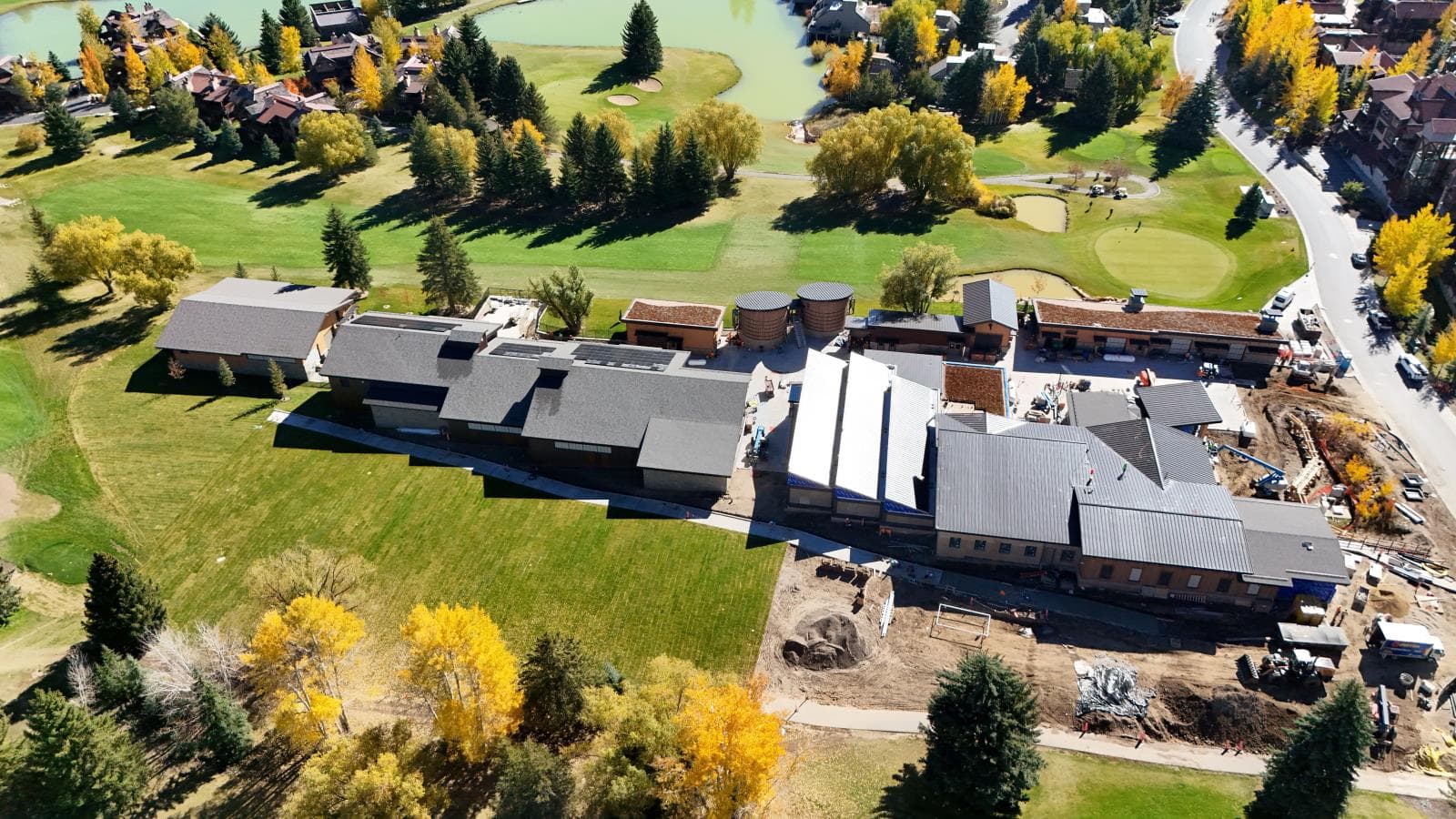
The newest and most talked-about facility is the 3Kings Water Treatment Plant, which opened in 2024. Park City says the plant was developed through a year-long pilot-scale study to prove that the process could remove metals from tunnel raw water and to evaluate life-cycle cost and benefits.
That matters because the plant is not treating ordinary surface water. Recycle Utah says 3Kings treats water from the Judge and Spiro mine tunnels, which the city describes as unique drinking-water sources. The system was built to handle water quality challenges at the source, not after the fact, which is one reason the plant drew so much local attention when it first opened.
Local coverage reported that the plant can produce more than 7 million gallons of water per day, enough to serve roughly 90 percent of peak summer day demand. Park City has described 3Kings as its largest-ever infrastructure project, and that scale helps explain why the city is using tours to help residents understand what was built and why.
The plant’s process equipment includes piping, valves, membrane filters, finish-water pumps, and a 155,000-gallon reservoir. Those are the kinds of details that rarely make it into day-to-day conversation, but they are central to public health and water trust. They show how a city turns raw water into a finished supply that can be used safely at home.
What the tours can answer
For many residents, the most useful part of the tour will be the chance to ask practical questions, not general ones. How safe is the water? What exactly is being removed? What happens when drought tightens supply or growth increases demand? Why does the city need so many sources and reservoirs?
The answer begins with treatment. Park City’s system is built to handle varied raw water conditions, including tunnel water that can contain metals and other impurities that require specialized filtration. The 3Kings plant is the clearest example of that approach, because it was designed around a testing process meant to prove the treatment method before the plant was built.
The tours also help explain supply resilience. Park City does not rely on a single source or a single plant. Instead, it uses a network that includes wells, a spring, tunnels, Rockport Reservoir, imported water, and multiple reservoirs. That redundancy can matter during dry years, maintenance shutdowns, or periods of high summer demand.
Tour dates and how they fit into the summer
Recycle Utah has set the public tours for three dates: May 20 from 1 to 2:30 p.m., June 10 from 9 to 10:30 a.m., and July 14 from 10 to 11:30 a.m. The timing gives residents multiple chances to see the plant during the season when Park City’s water system is under the most pressure.
The early interest suggests the tours are meeting a real local need. KPCW reported that about 200 Parkites got a first look inside the new plant, which indicates that water infrastructure is not a niche topic here. It is a daily-life issue that affects everything from household reliability to wildfire preparedness and future growth.
What stands out about Park City’s water system
A few facts make the system especially worth seeing in person:
- Park City has three treatment plants serving one community.
- The city says it has eight culinary water sources, including underground, reservoir, tunnel, and imported supply.
- Its reservoir system can hold 14.6 million gallons at maximum capacity.
- The 3Kings plant was built after a year-long pilot study to confirm it could remove metals from tunnel water.
- The plant can produce more than 7 million gallons a day, a level described as enough for about 90 percent of peak summer demand.
Those numbers show a system built for complexity, not convenience. They also explain why Park City is inviting the public to look behind the curtain. If residents want to understand what protects the water coming out of the tap, this is the chance to see the machinery, the science, and the scale behind it.
This article was produced by Prism’s automated news system from verified source data, official records, and press releases, then run through automated quality and moderation checks before publishing. The system is built and supervised by the people who set the standards it runs under. Read our full AI policy.
Know something we missed? Have a correction or additional information?
Submit a Tip