Park City says workforce housing is growing, demand still outpaces supply
Only 12.1% of Park City's workforce lives in town, even after 674 deed-restricted units and a near-70% lease-up at Engine House.
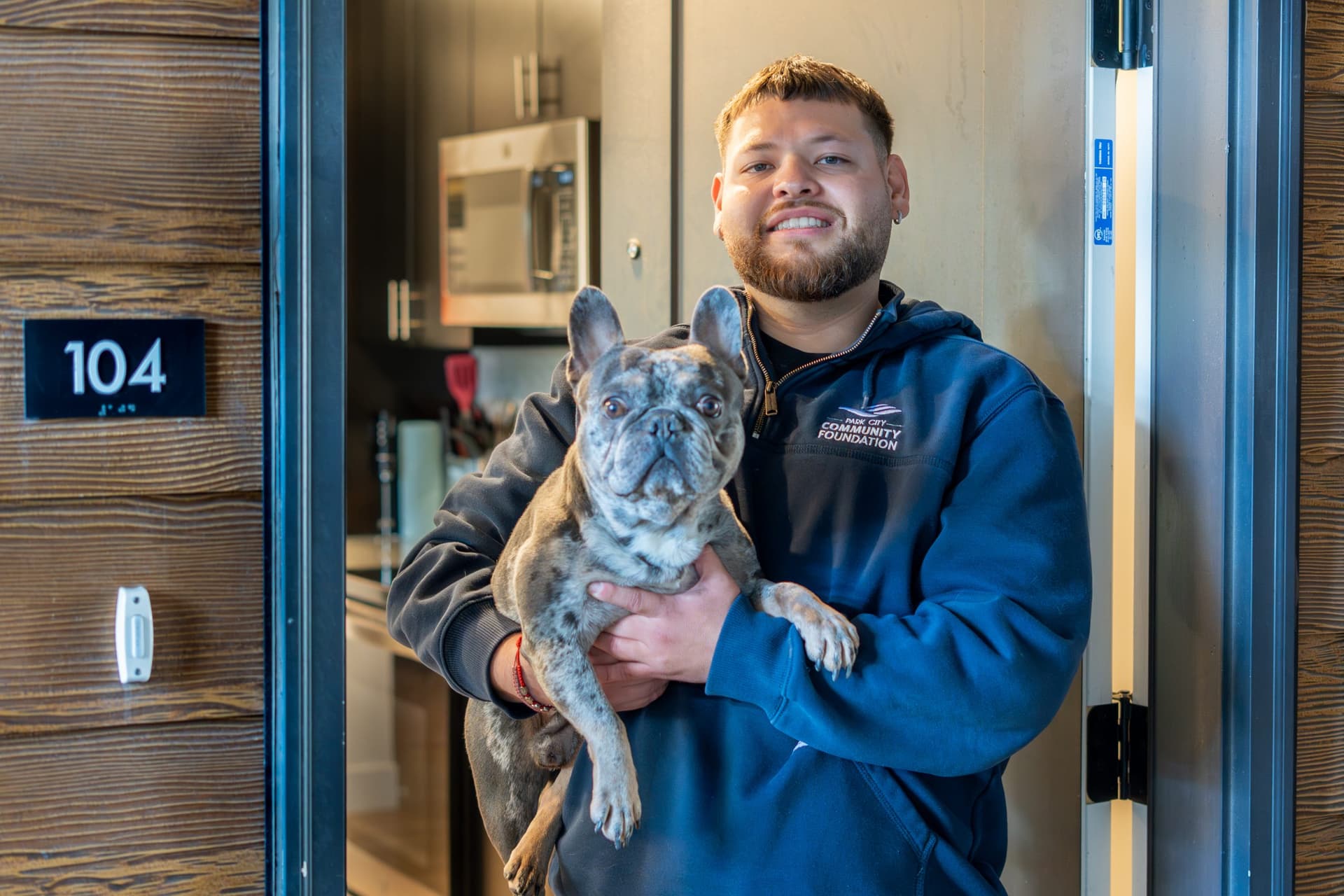
Park City’s latest housing plan put the gap in stark terms: only 12.1% of the workforce lived in town, while more than 8,000 workers still commuted in from outside Summit County. City leaders say that is the real measure of the housing fight, not just how many units have been built.
Housing and development coordinator Sara Wineman said the city had made significant progress on workforce housing, but demand continued to outpace supply. That tension shows up in the numbers Park City has already put on the table. The city said it had 674 affordable deed-restricted units, with 69% rentals and 31% owner-occupied homes. One of the newest, Engine House, has 123 total units, including 99 deed-restricted affordable rentals aimed at households earning 60% of area median income, about a $71,000 salary for one person. The project was already close to 70% leased.
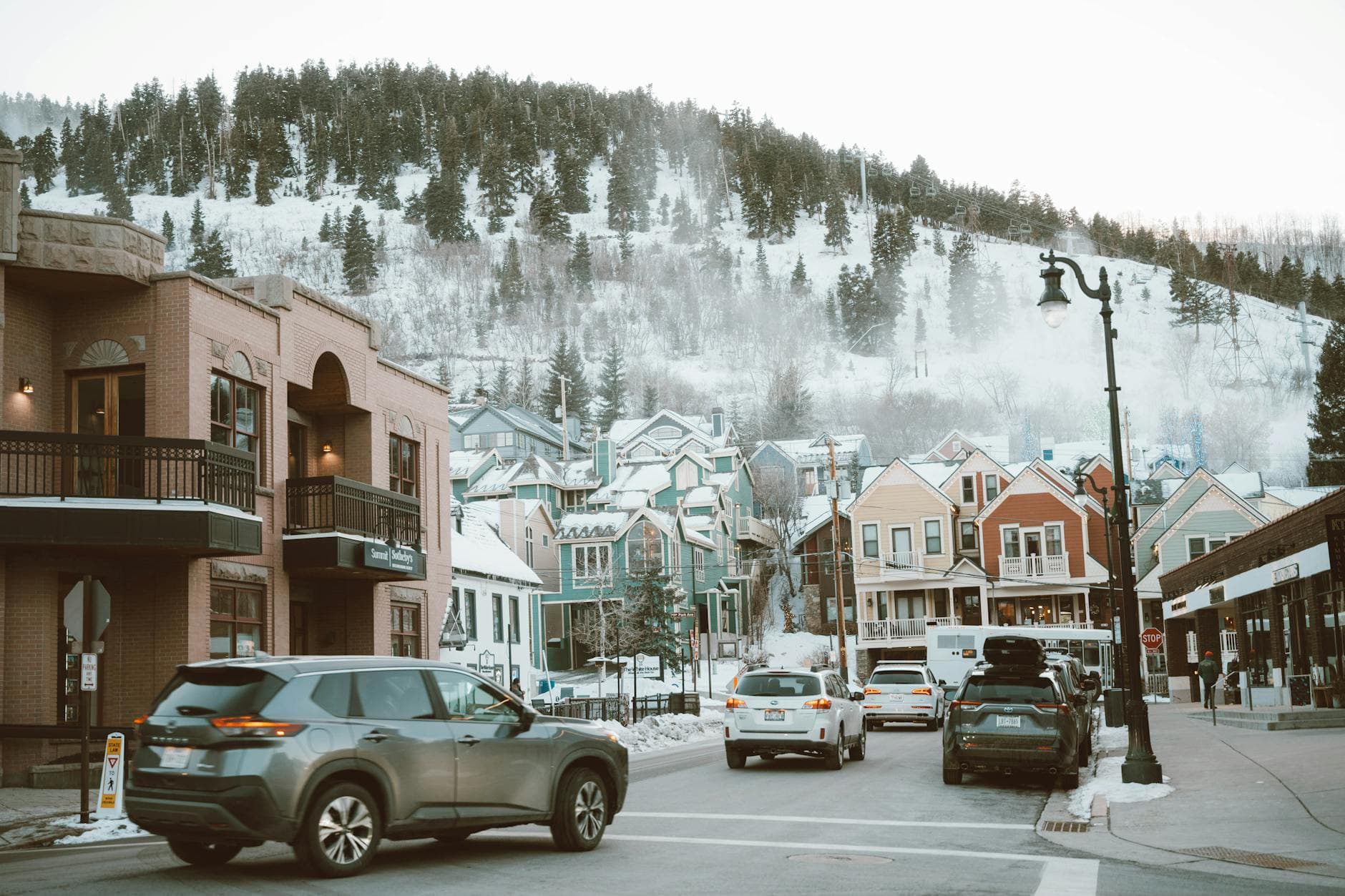
Those figures help explain why residents who work in the city still find the market out of reach. Park City’s 2021 Housing Needs Assessment identified 330 cost-burdened renters, said at least 100 affordable units would be needed over five years from demographic growth, and pointed to the pressure created by commuting. The same assessment said more than 8,000 out-of-county workers were driving into Park City each day. A separate city housing review said the gap between market-rate housing and prices affordable to the workforce continued to widen, with single-family prices rising an average of 6.7% per year since 2000 and 10.7% annually from 2010 to 2015.
Park City has been trying to close that gap for decades. The city said it first adopted housing policies in 1993. In 2016, the City Council set a goal of 800 affordable units by 2026, with an interim target of 220 by 2020. The 2025 housing plan reset the benchmark again, calling for 15% of the workforce to live in Park City by 2032. Based on a projected workforce of 12,420, that would require 1,864 units, or 1,190 more than the city then had in place.
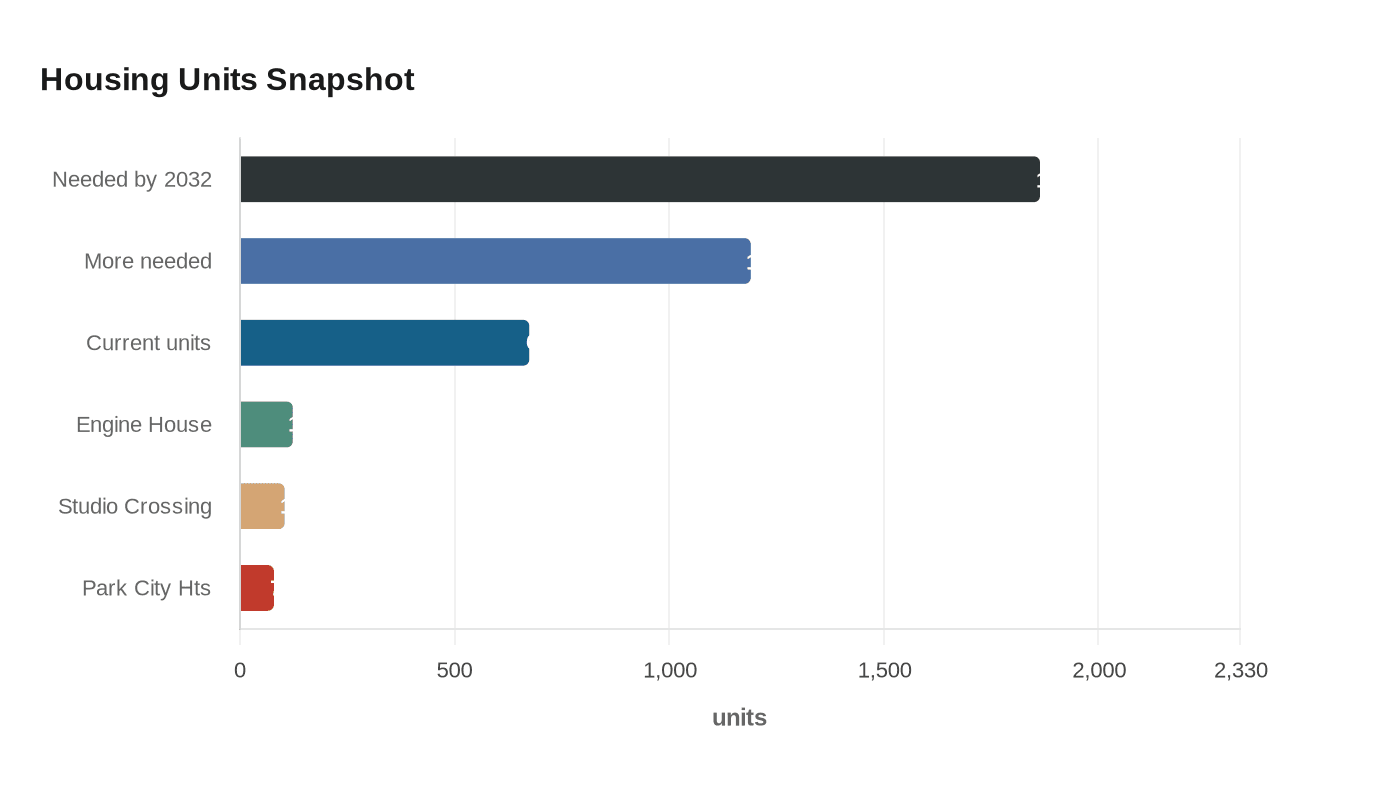
The income math remains unforgiving. Park City listed the workforce wage for a household of three in Summit County at $85,646, equal to 56% of area median income. Even as Studio Crossing opened its first phase in November 2025 with 104 of 208 affordable units completed, and Park City Heights moved toward 79 deed-restricted homes by the end of 2026, the city still faces a larger policy question: whether visible progress is enough when teachers, nurses, hospitality workers and city employees are still priced out. Summit County’s own talks about a 1,500-unit target, along with Utah’s 2022 limits on changing inclusionary zoning rules, show that the supply problem is still being debated at every level of government.
This article was produced by Prism’s automated news system from verified source data, official records, and press releases, then run through automated quality and moderation checks before publishing. The system is built and supervised by the people who set the standards it runs under. Read our full AI policy.
Did this article answer your question?