Park City Seeks Feedback Feb. 24 on 20 Tan Bus Route Tweaks
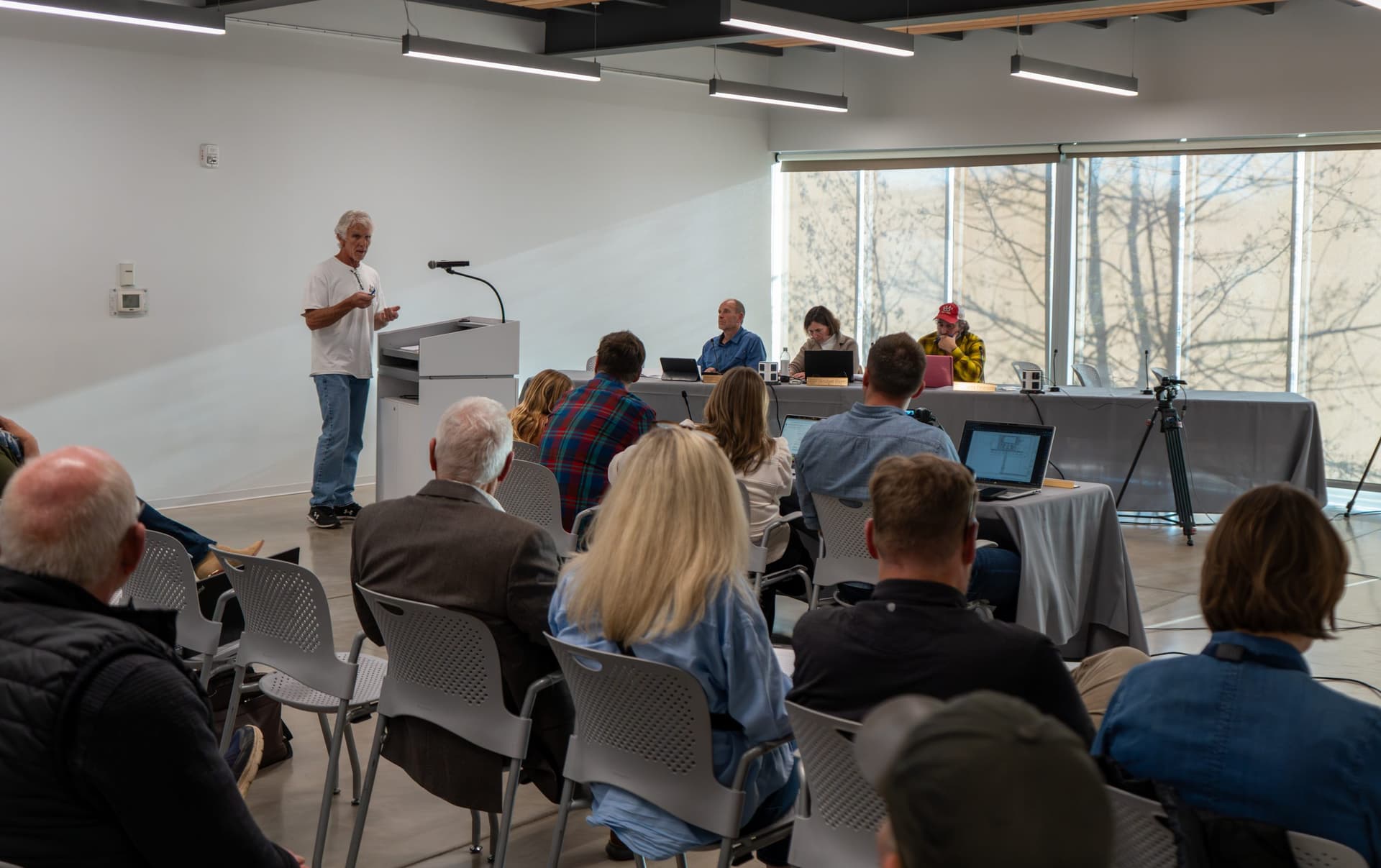
Park City Municipal hosted an open house Feb. 24 and opened a public-comment process on proposed tweaks to the 20 Tan bus that links Silver Lake Village, Snow Park, Main Street, Park City Mountain and Park Meadows.
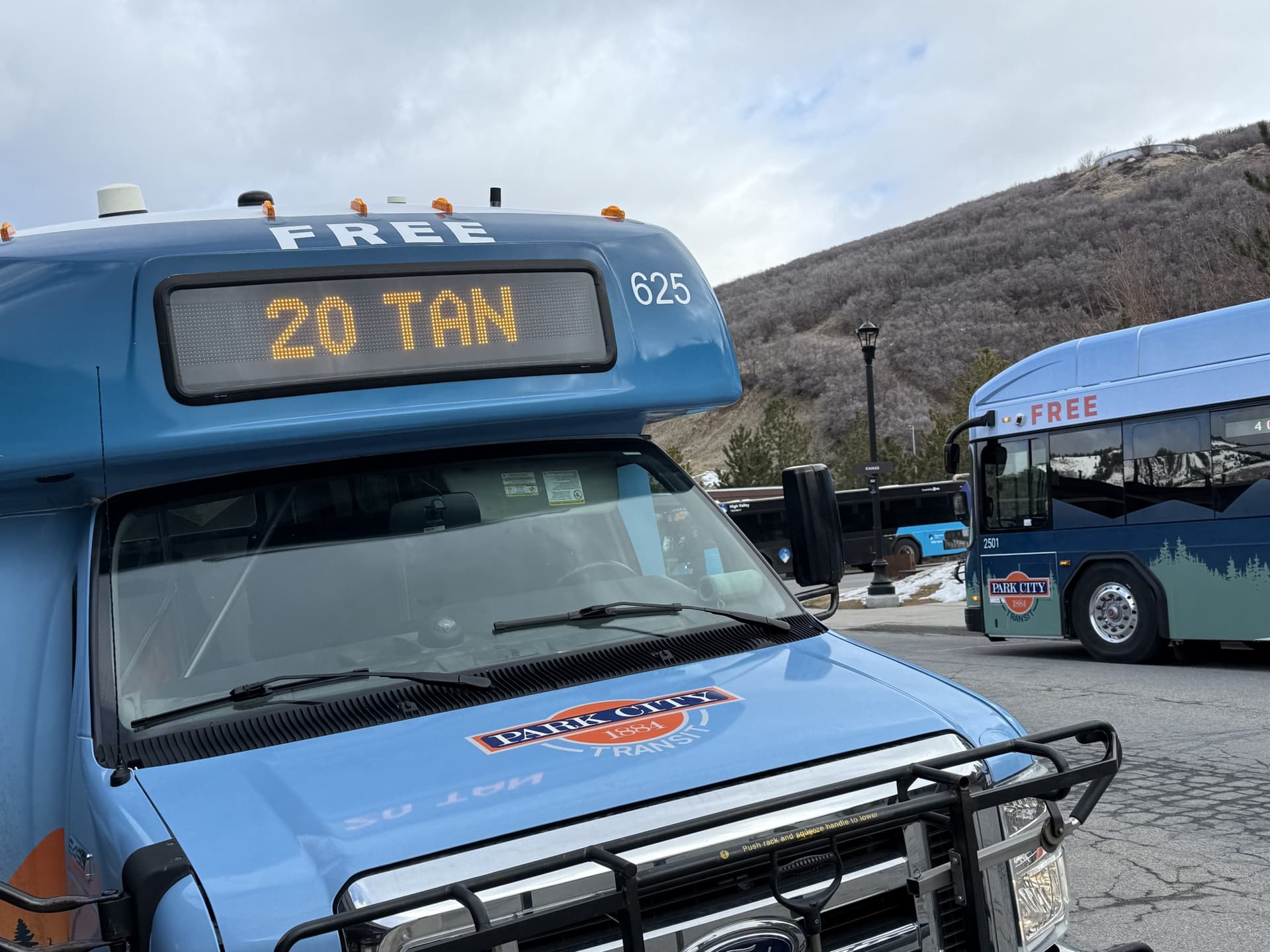
Park City Municipal hosted an open house Feb. 24 to collect public feedback on proposed tweaks to the 20 Tan transit route, the municipal bus line that connects Silver Lake Village, Snow Park, Main Street, Park City Mountain and Park Meadows, and city planners opened a public-comment process, municipal materials show. The meeting focused on adjustments to the route used by residents, workers and visitors traveling between resort bases and downtown Main Street.
An excerpt from the original event summary reads verbatim: “What happened: On Feb. 24 Park City Municipal hosted an open house to collect public feedback on proposed tweaks to the ‘20 Tan’ transit route, the municipal bus line that connects Silver Lake Village, Snow Park, Main Street, Park City Mountain and Park Meadows. City planners opened a public‑commen” [text truncated in source]. A separate key fact provided with the materials states plainly that “City planners opened a public-comment process.”
The open house sits inside a broader planning frame offered in Water Utah’s General Plan excerpts, which begin under the heading “SUSTAINABILITY INTRODUCTION Community feedback gathered throughout the General Plan process clearly reflected a strong commitment to environmental preservation and proactive planning.” The document identifies priorities tied to transit and land use: “The protection of natural open spaces emerged as the highest priority for the next five years, while wildfire mitigation was identified as a critical concern to address over the next decade.” It also says “Other key issues raised included trailhead parking, neighborhood impacts, and trail development, highlighting the community’s desire for thoughtful growth that balances recreation with preservation.”
Water Utah’s materials tie those priorities to mobility and development, noting “This input underscores Park City’s dedication to conservation, climate resilience, and sustainable development” and stating that “In alignment with these values, the City has established a goal of achieving community-wide net-zero carbon [...]” (ellipsis preserved from source). The planning excerpts add that “Over the past year, hundreds of residents shared their hopes and concerns through surveys, open houses, and neighborhood meetings. What emerged is a shared vision: a strong commitment to our small-town character, a focus on affordability and mobility, and a lasting promise to protect our natural environment and community values.”

The General Plan text includes specific policy lines that intersect with transit choices: “Mitigate the visibility of surface parking lots along the eastern entry corridor,” “Consider compatibility in uses along the boundary with Summit County developments, while distinguishing Park City’s entry corridor,” “Strengthen the neighborhood with pedestrian and cyclist connections between disparate land uses,” and “Establish design guidelines to unify the look and feel of new development in the neighborhood.” The document also proposes context-appropriate infill, naming “Quinn’s Mixed-Use Node: Explore compatible infill with locally-serving retail, services, office, medium density housing, high density housing, and workforce housing.”
The materials provided do not include who led the Feb. 24 session, the open house venue, attendance figures, maps or the precise route, schedule or frequency changes proposed for the 20 Tan, nor do they list a public-comment deadline or submission instructions. As Park City reconciles immediate bus-route proposals with General Plan goals such as net-zero ambitions, wildfire mitigation and neighborhood impacts, municipal staff will need to publish the detailed route maps and the timeframe for public feedback so residents can evaluate tradeoffs between mobility, affordability and preservation.
Know something we missed? Have a correction or additional information?
Submit a Tip