Park City, Summit County deny directly sharing license plate data with ICE
ICE’s arrest of a Park City graduate put Summit County plate readers under a harsher question: if local agencies did not send data, who else could still reach it?
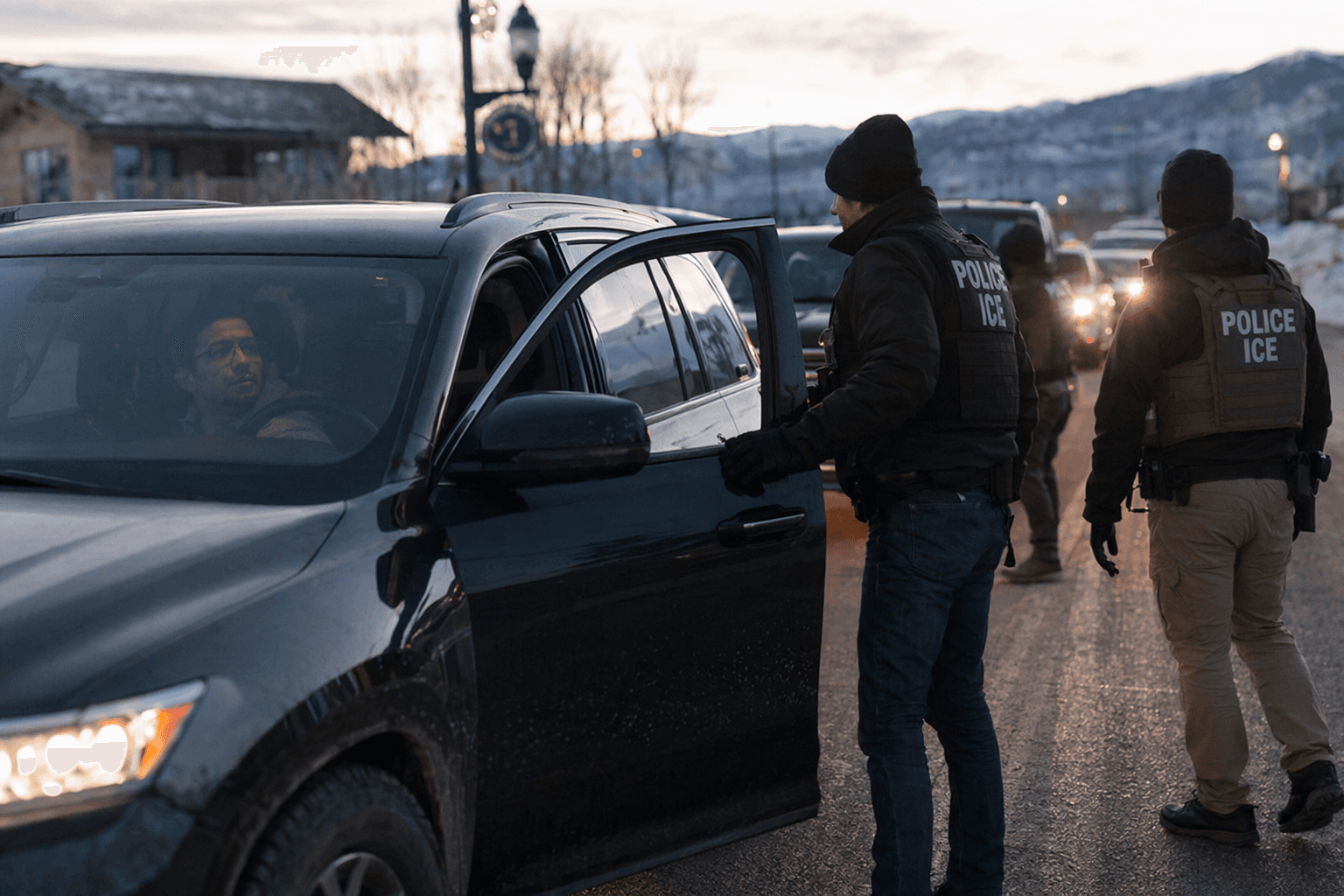
For drivers moving past Kimball Junction and immigrant families across Summit County, the worry was not whether a local employee pressed send. It was whether license plate data collected in Park City could still end up in federal hands after ICE detained Lisandro Pantaleon Pacheco on April 29 while he was on his way to work.
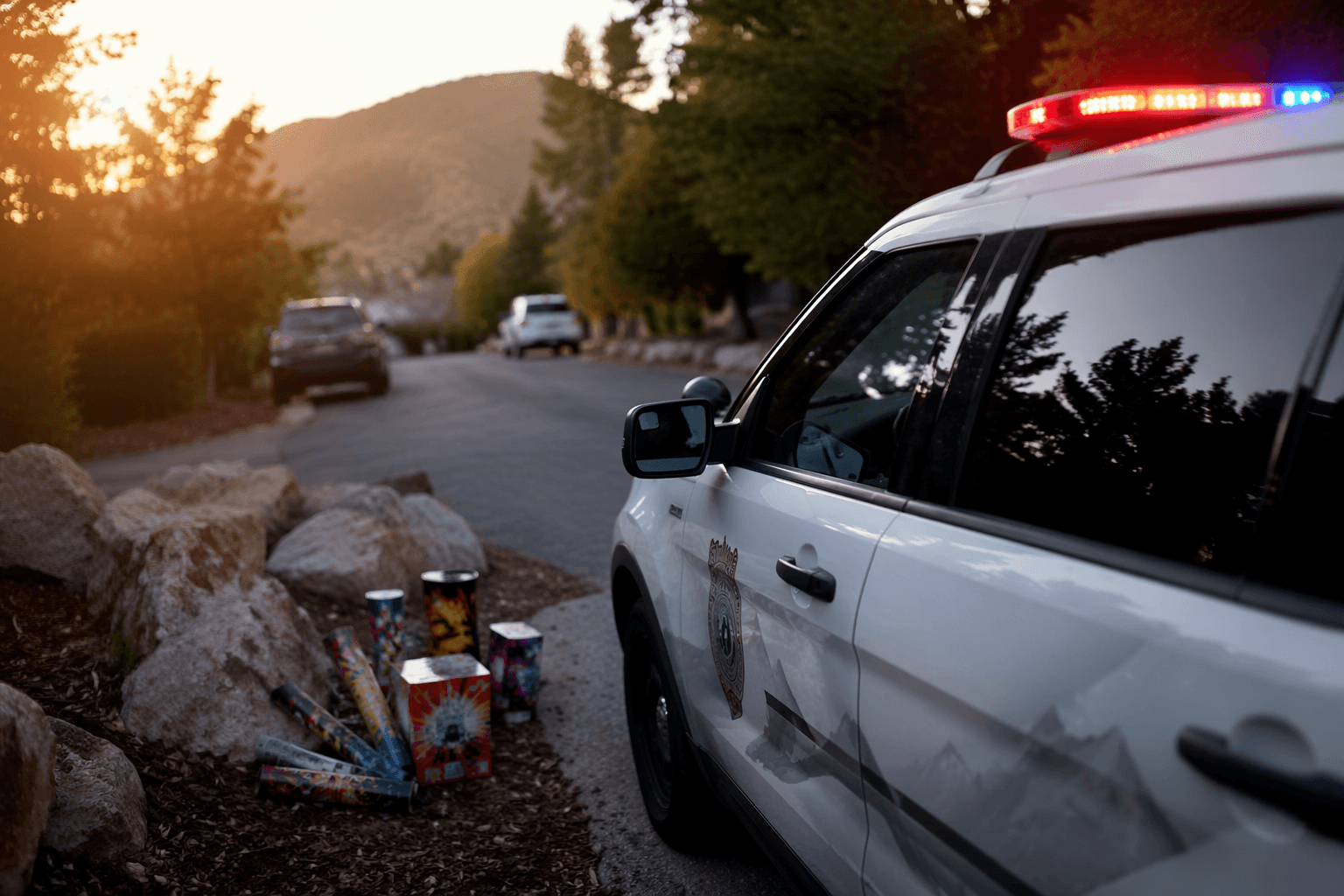
Park City police and the Summit County Sheriff’s Office said they did not conduct a targeted search, real-time tracking, or any investigative action using license plate reader systems on behalf of federal immigration authorities in this case. They also said they did not directly provide information to ICE. But the distinction left open the larger question now driving public concern: modern camera networks can make data available through other systems or legal channels even when a local agency does not actively hand it over.
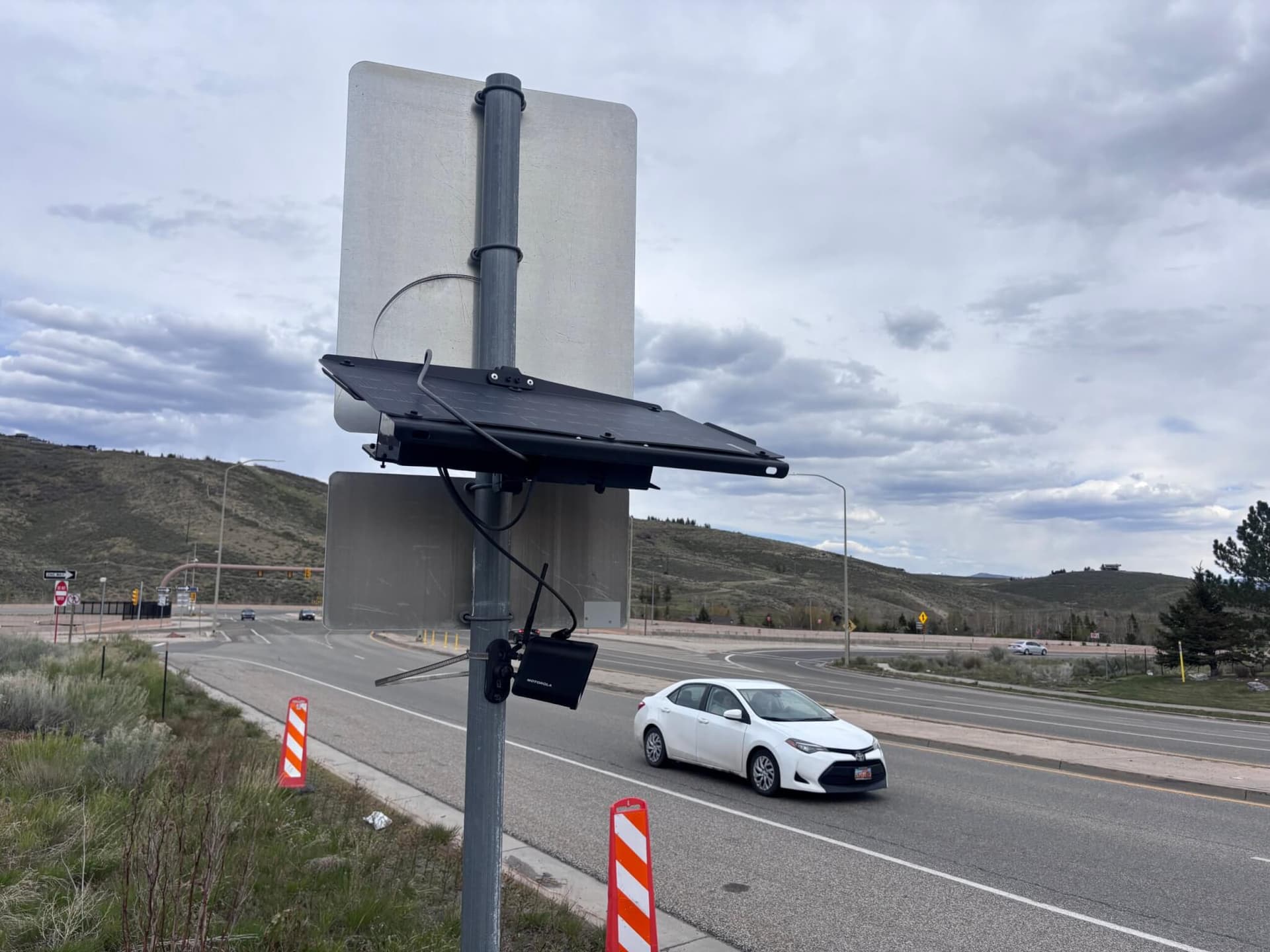
That tension sits inside Utah law. The Automatic License Plate Reader System Act, first enacted in 2013 and amended in 2024, defines ALPR systems as high-speed cameras paired with computer algorithms that turn plates into computer-readable data. The law defines captured plate data to include GPS coordinates, date and time, photographs, plate numbers, and other derived information. It also limits use to law-enforcement purposes tied to an active criminal investigation.
Summit County’s own ALPR policy says the sheriff’s office uses the technology to capture and store digital plate data and images for official use, that the information is not open to public review, and that it may be shared only as permitted by law. The policy also says data is retained for nine months before being automatically deleted by the provider. A Utah Privacy Utah complaint later said two law-enforcement agencies had nine-month retention policies and contracts limiting access and sharing, but recommended that the agencies create retention schedules under GRAMA.
The national backdrop has made those local rules harder to ignore. Reporting in 2025 and 2026 showed that Flock Safety license plate reader networks allowed participating agencies to access one another’s data, and that federal immigration enforcement had used those systems indirectly by asking local agencies to run searches on its behalf. One investigation found roughly 4,000 immigration-related searches in Flock system data nationwide, while another reported an ICE pilot that gave Border Patrol a Flock account able to request 1:1 access from local law enforcement agencies.
Pacheco’s arrest gave the issue a human face. His family and girlfriend, Britney Xiques, said he had bought a ring and planned to propose. His attorney, Adam Crayk, said he was filing a petition to seek release. The U.S. Department of Homeland Security confirmed the arrest and said Pacheco would receive due process and remain in ICE custody pending immigration proceedings. He was later held in Evanston, Wyoming.
The county’s denial of direct sharing may satisfy a narrow legal distinction, but it does not answer the broader civic question now hanging over Summit County: who can search the data, how often those searches happen, what audit trail exists, and whether residents were ever clearly told that the places they drive could be visible to federal authorities.
This article was produced by Prism’s automated news system from verified source data, official records, and press releases, then run through automated quality and moderation checks before publishing. The system is built and supervised by the people who set the standards it runs under. Read our full AI policy.
Did this article answer your question?