Rabbit hemorrhagic disease confirmed in Summit County wild rabbits
Dead wild rabbits in Kamas tested positive for RHDV-2, raising concern for pet rabbits, hunters and predators that depend on cottontails and jackrabbits.

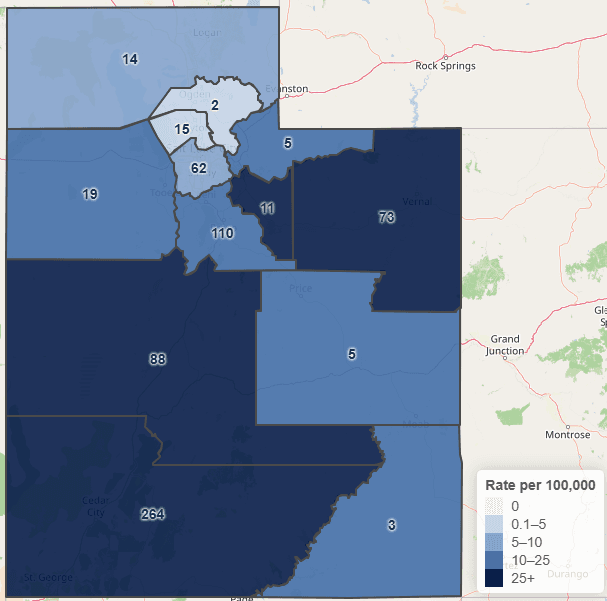
Dead cottontail rabbits found in Kamas and black-tailed jackrabbits found in the West Desert tested positive for rabbit hemorrhagic disease, putting Summit County rabbit owners and wildlife managers on alert. The Utah Division of Wildlife Resources said the Utah Veterinary Diagnostic Laboratory confirmed the cases on June 23, and the detections also included Tooele County.
The virus, known as RHDV-2, is a foreign animal disease in the United States and can infect domestic rabbits, wild rabbits, hares, jackrabbits, cottontails and pikas. Utah wildlife officials said infection kills 80% to 100% of rabbits it reaches, and there is no treatment. The disease had not been confirmed in wild rabbits in Utah since July 11, 2022, and the last domestic rabbit detection in the state was in April 2025, even though no domestic rabbit cases are confirmed now.
For Summit County, the immediate concern is not just the rabbits themselves. Utah wildlife officials said losses can ripple through the food chain, reducing prey for animals such as golden eagles and bobcats. That makes the outbreak a wildlife-management issue as much as a pet-health concern, especially in a county where residents, hunters and visitors move between neighborhoods, trailheads and open land throughout the summer.
Officials are telling people to leave dead rabbits where they are and report the location to the nearest Utah Division of Wildlife Resources office. If more than one dead rabbit is found, officials want people to photograph the carcasses, record the location and avoid handling them. The virus can survive for months in the environment and can spread through sick rabbits, urine or feces, contaminated surfaces and even on clothing, shoes or fur.

People and dogs are not susceptible to RHDV-2, but both can carry the virus from place to place. That means a person checking a trail, moving through a yard or helping with a rabbit hutch could still spread the disease indirectly without ever getting sick. Utah Department of Agriculture and Food says suspected or confirmed cases in domestic rabbit facilities can trigger a quarantine for a minimum of 120 days under state law.
The current response depends on residents not moving carcasses and on quick reporting to wildlife officials. With wild cases now confirmed in Summit County, the margin for error is small, and rabbit keepers across the county will have to treat any sudden deaths as a potential outbreak until wildlife and agriculture officials say otherwise.
This article was produced by Prism’s automated news system from verified source data, official records, and press releases, then run through automated quality and moderation checks before publishing. The system is built and supervised by the people who set the standards it runs under. Read our full AI policy.
Did this article answer your question?