State eases Treasure Mountain soil rules, but removal still required
State officials said Treasure Mountain soil is not hazardous waste, but Summit County rules still require it to be hauled away, keeping costs and delays in play.
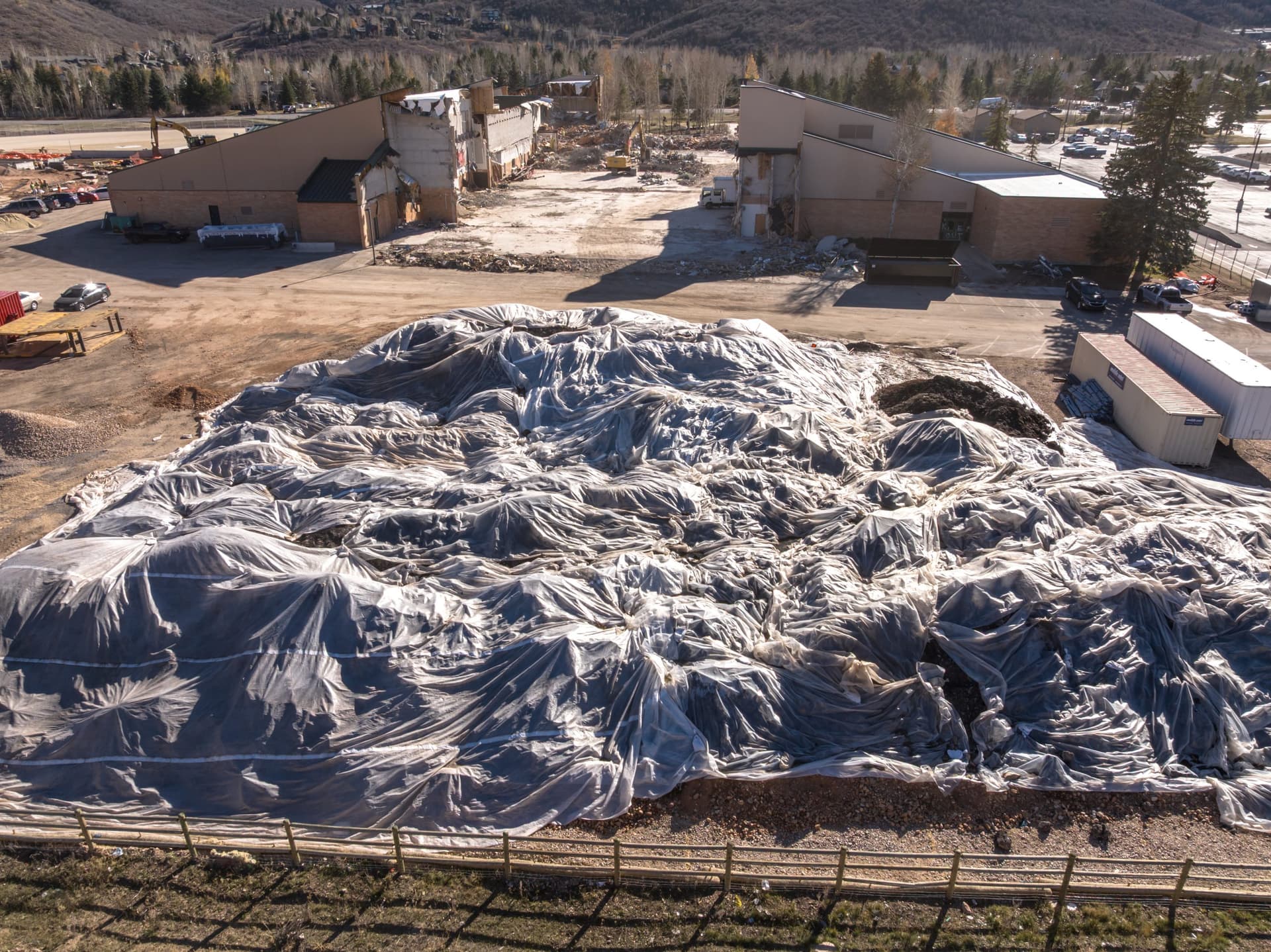
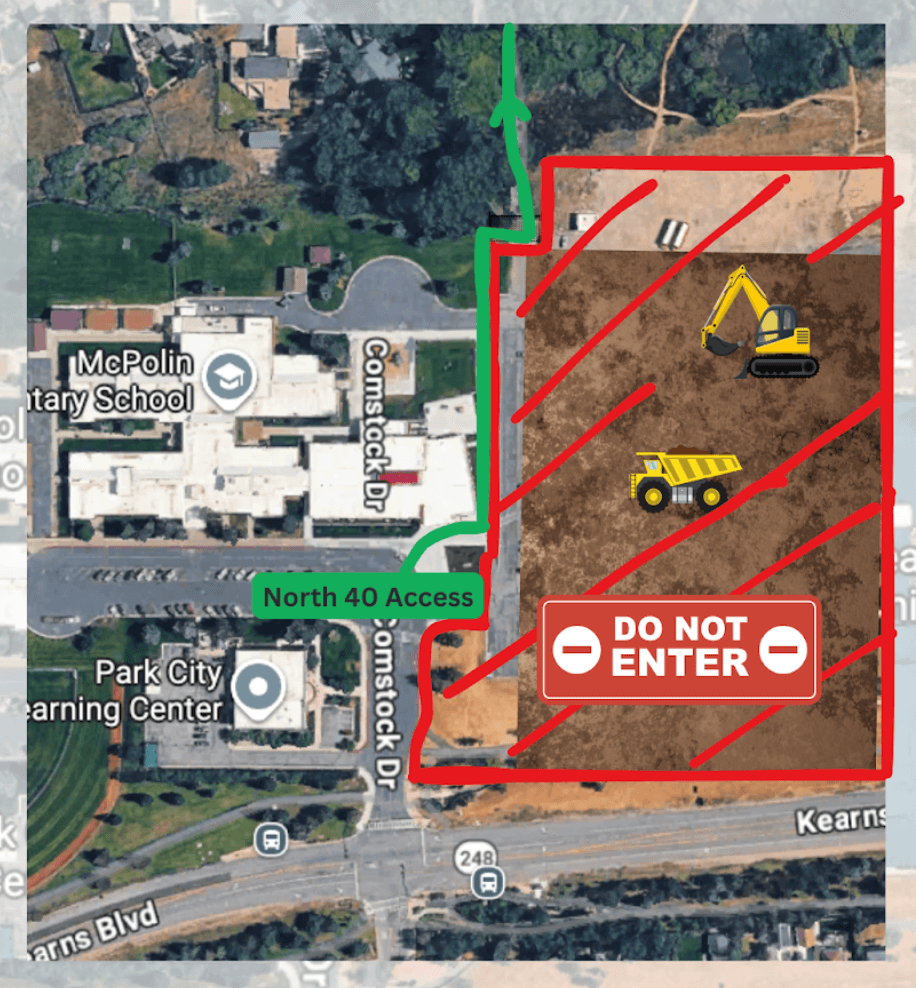
The Park City School District got a partial break on the Treasure Mountain cleanup, but not the kind that ends the job. Utah Department of Environmental Quality said June 17 that contaminated soil at the former Treasure Mountain Junior High demolition site does not need to be treated as hazardous waste, yet a local agreement with Summit County still requires the material to be removed from the property.
For parents and taxpayers, that distinction matters. The state’s decision may ease one layer of regulation, but it does not erase the need for hauling, disposal and project coordination on a site that has already tested the district’s budget and timetable.
The soil piles have been under scrutiny since April 3, when DEQ identified contaminated dirt with elevated arsenic and lead. Dave Noriega said perimeter air monitoring showed lead and dust below Occupational Safety and Health Administration limits, and the district said its consultants were following an approved soils management plan and best management practices while the material was tested to determine how it should be removed.
Treasure Mountain sits inside Park City’s mining-era contamination legacy, where dirt can trigger more than ordinary construction rules. The U.S. Environmental Protection Agency targeted the site about a decade ago under CERCLA and completed cleanup in 2016, including a six-inch cap of clean soil. A 2017 environmental covenant required disturbed soil to be capped within 30 days and kept within covenant boundaries. KPCW has reported the district broke those rules beginning in 2018 and finished remediation efforts in 2024.
The June 17 ruling also did not erase earlier enforcement findings. In September 2023, DEQ had already said the soil piles met the definition of solid waste and had to be moved to a permitted disposal facility, with the district estimating the work would cost about $3 million. By December 2023, a state audit said enough contaminated soil had been dumped to fill more than 1,100 dump trucks, and that the piles were about the size of a football field when dumping stopped in 2022.
The redevelopment plan explains why the project remains so visible in Park City. The former junior high site is slated to become two soccer fields, eight tennis courts and a softball and baseball field. The district says it now has a soils management plan, weekly sample reports to DEQ and a full-time environmental consultant on site. But the latest decision leaves the core issue unchanged: the soil is not hazardous waste, yet it is contaminated enough to remove, and the remaining uncertainty now centers on cost, time and the level of oversight still needed before the site is ready for public use.
This article was produced by Prism’s automated news system from verified source data, official records, and press releases, then run through automated quality and moderation checks before publishing. The system is built and supervised by the people who set the standards it runs under. Read our full AI policy.
Know something we missed? Have a correction or additional information?
Submit a Tip