Summit County approves clean energy program for unincorporated areas
Summit County’s unincorporated residents will be auto-enrolled in a clean power plan that adds $4 a month to homes, with low-income customers exempt.
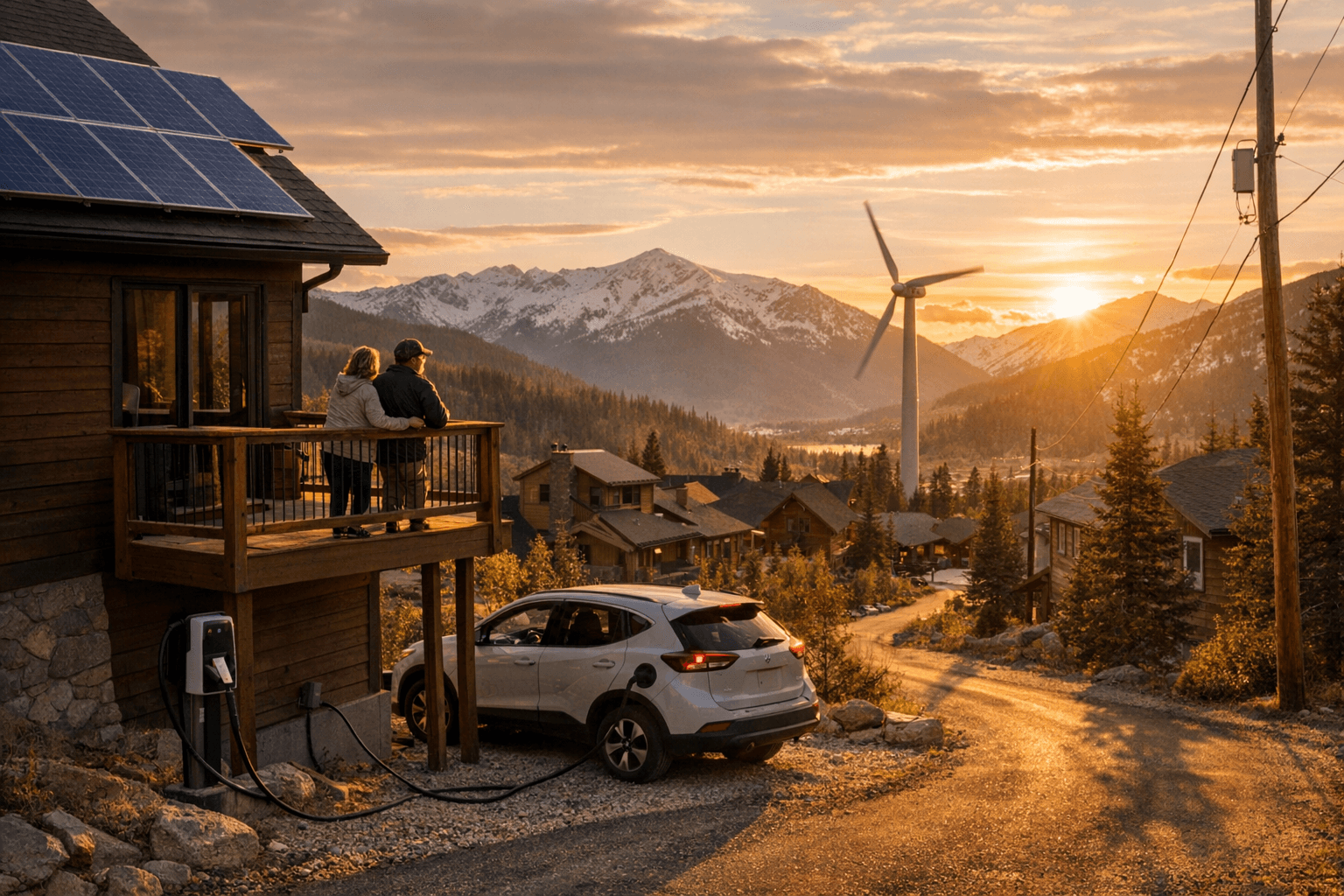
Summit County moved its unincorporated neighborhoods into a new clean energy program that will appear on Rocky Mountain Power bills, not as a separate signup but as an automatic enrollment unless customers opt out. The county council approved the ordinance 5-0 on April 15, 2026, putting one of the county’s longest-running climate goals on track to reach residents’ pocketbooks later this year or in early 2027.
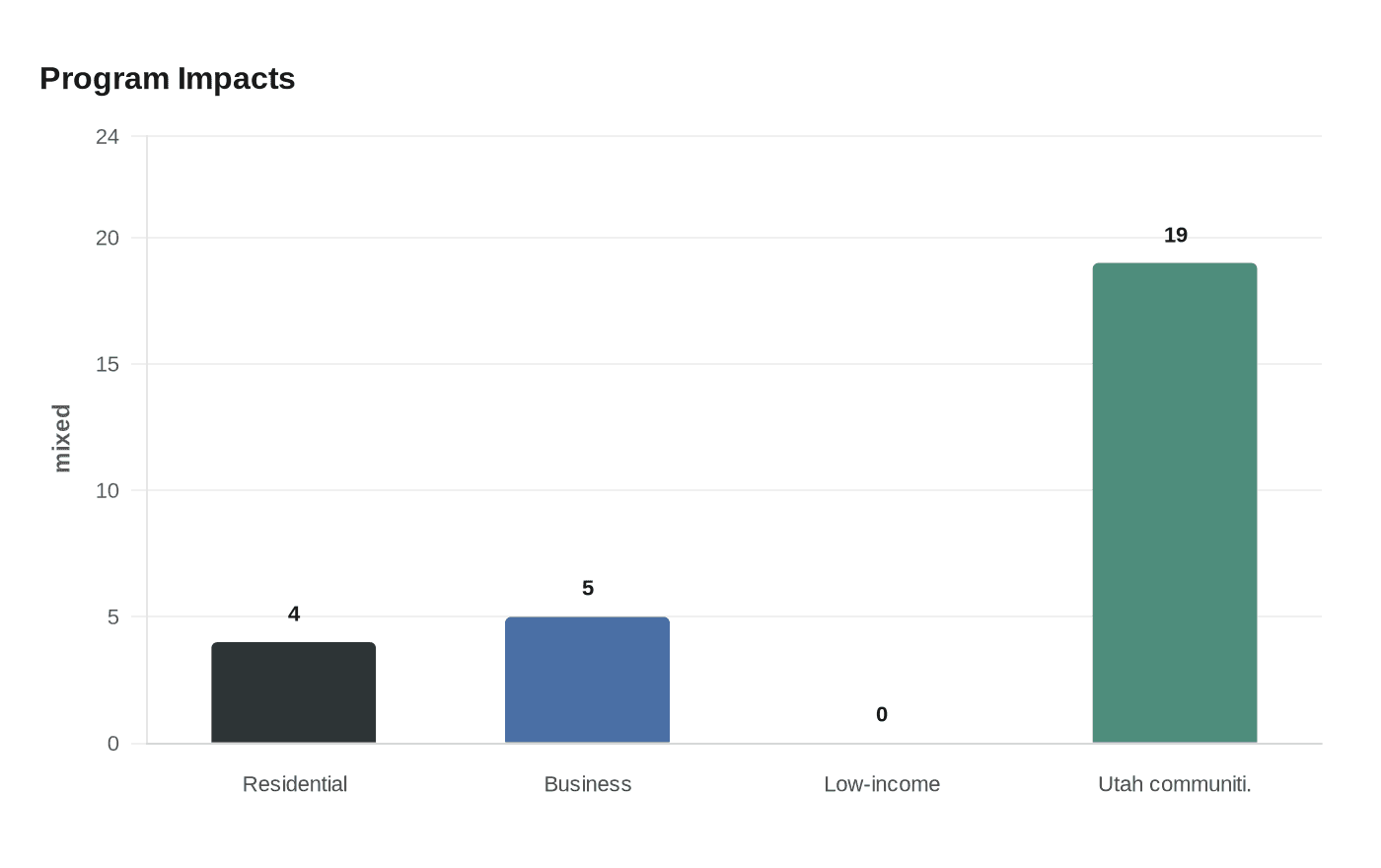
For residential customers in unincorporated Summit County, the program carries a flat $4 monthly charge. Businesses are expected to see about a 5% increase on their bill. Low-income customers will not pay the fee, and customers in participating communities will be able to opt out for free during the first six months after launch. County officials said the arrangement gives eligible Rocky Mountain Power customers a direct way to choose cleaner electricity through the utility bill. Emily Quinton, the county’s sustainability director, said, “All eligible Rocky Mountain Power customers within our unincorporated boundaries will have a new option for choosing clean energy right through their bill.”

The Community Clean Energy Program is part of Utah Renewable Communities, which the Utah Public Service Commission approved on March 4, 2026. Local governments had until June 2, 2026, to adopt the program by ordinance. Summit County’s decision keeps it in step with Park City, Oakley, Francis and Coalville, which were also expected to consider joining. Altogether, the initiative covers 19 Utah communities and roughly a quarter of Rocky Mountain Power’s Utah customers.
Backers say the money will help finance new utility-scale renewable energy projects, including solar, wind, geothermal, hydro and battery storage. The idea is to build the supply first, then spread the cost across a broader group of customers who want the option. The infrastructure does not exist yet, so the first visible effect for most households will be the charge or the chance to opt out, not immediate power coming from a new local solar field.
Summit County has been headed in this direction for years. County leaders adopted a renewable electricity target in 2017, and the 2019 Community Renewable Energy Act helped set the stage for the current program. Councilmember Roger Armstrong called the PSC approval a “gigantic first step” and credited former councilmember Glenn Wright with helping push the effort forward. For Summit County, the vote was less a starting line than a long-delayed move from policy to billing.
This article was produced by Prism’s automated news system from verified source data, official records, and press releases, then run through automated quality and moderation checks before publishing. The system is built and supervised by the people who set the standards it runs under. Read our full AI policy.
Did this article answer your question?