Summit County council race centers on ICE fears in schools, policing
ICE fears are now part of the District 5 council race, as Meredith Reed and Canice Harte debate what it means for schools, police calls and trust.
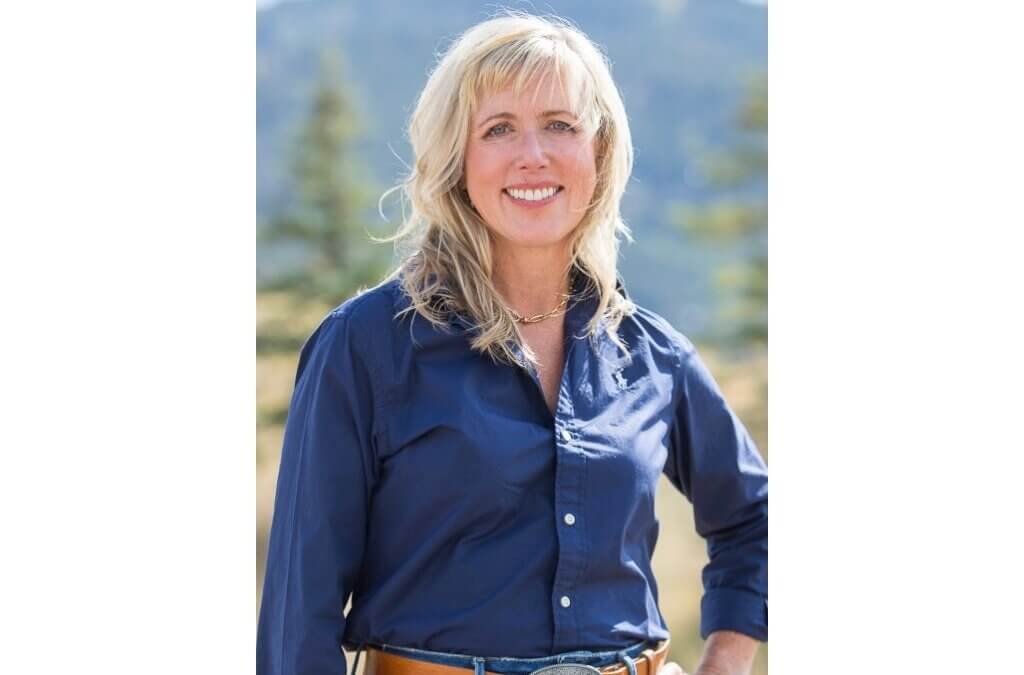
In Summit County Council District 5, the fight between Meredith Reed and incumbent Canice Harte is not playing out as an abstract immigration debate. It is unfolding in Jeremy Ranch, most of Pinebrook and Summit Park, where families are weighing whether fear of U.S. Immigration and Customs Enforcement is changing how people report crime, interact with schools and trust local government.
Reed, a Park City school board member, is challenging Harte in the Democratic primary, and both candidates have seen the effects of immigration enforcement in their professional work. The issue has moved from Washington and Salt Lake City into neighborhood conversations in the western part of the county, where residents rely on police, schools and county services every day.
The local impact is clearest in schools. Park City School District says it does not collect immigration-status information on students or families and will not initiate contact with federal immigration authorities to share student information. Its Safe Schools Resolution says ICE-style enforcement in schools or on transportation routes would significantly disrupt learning and could interfere with students’ constitutional rights and access to a free public education. The district has also said counselors are available for students who feel stressed or fearful after federal policy changes.
Law enforcement leaders have drawn their own lines. The Summit County Sheriff’s Office says it does not proactively enforce federal immigration law and that immigration enforcement is primarily the responsibility of the federal government. Park City Police say they are not federal officers and do not enforce immigration law. In May, both agencies said they were not providing license-plate-reader data or other direct assistance to federal immigration authorities, including ICE.
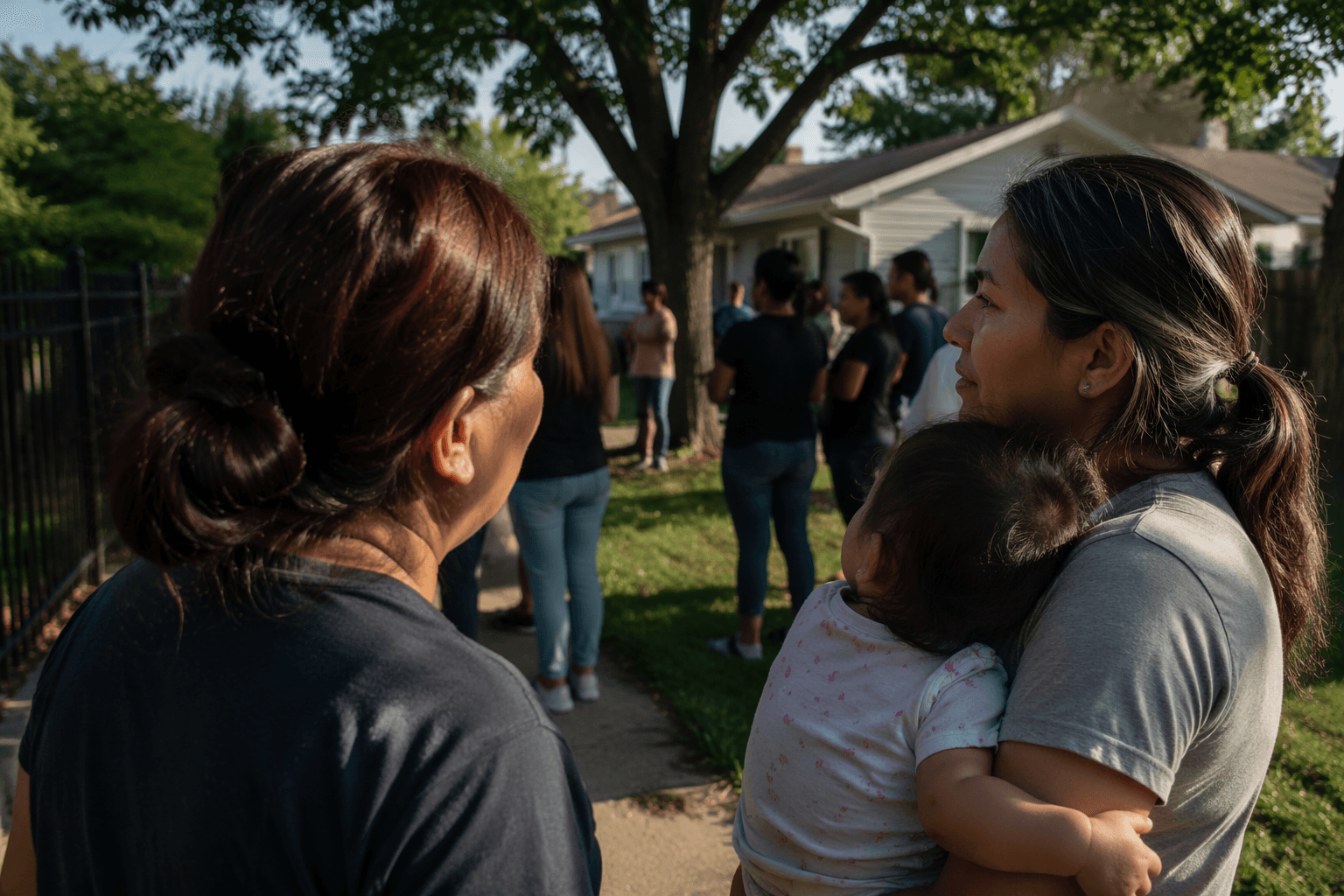
The concerns are not theoretical. On April 29, ICE conducted a targeted operation in Park City, and police said the agency did not request assistance. At the same time, Utah has seen a wider expansion of local cooperation with federal immigration enforcement: by late July 2025, seven sheriff’s offices had signed 287(g) agreements with ICE, and by early June 2026 that number had climbed to a dozen agencies. The Utah Sheriffs Association said its May 2025 trip to Washington, D.C., helped prompt changes in ICE leadership and operations in Utah.
For Summit County officials, the practical choices are limited but real. They can keep local police out of federal immigration enforcement, protect student information, avoid sharing local data and make clear where county authority ends. What they cannot do is stop the federal government from acting in the county, which is why the district race has become a test of trust as much as policy.
This article was produced by Prism’s automated news system from verified source data, official records, and press releases, then run through automated quality and moderation checks before publishing. The system is built and supervised by the people who set the standards it runs under. Read our full AI policy.
Did this article answer your question?