Summit County grants sales tax revenue to boost services and culture
Summit County turns sales-tax revenue into fire, rescue, trail, and arts grants that residents use every day. In fiscal 2009, RAP taxes alone brought in $1,080,230.
Emergency medical services, trail systems, museums and local arts groups all sit on the same Summit County funding track: sales-tax revenue turned back into public grants. In fiscal 2009, the county collected $1,080,230 in RAP tax revenue, a reminder that visitor spending can become the cash behind fire protection, recreation facilities and cultural programs on the ground.
Where the money comes from
Summit County says its grant program is built from sales-tax initiatives and is meant to do two things at once: improve residents' quality of life and support tourism investment in the county. That logic runs through the county's restaurant tax, RAP taxes and nonprofit support, all of which are awarded on an annual basis rather than as one-off gifts.
The restaurant tax is the oldest piece of the system. The Utah State Legislature authorized it in 1991, and Summit County first collected it in June 1992 under Ordinance 198A. It is a 1% tax on restaurant sales in the county, covering restaurants, bars, quick-service outlets, fast food and taverns, and the revenue can be used for tourism promotion as well as the development, operation and maintenance of airport, convention, cultural, recreation or tourist facilities.
That matters because the tax is tied to places people actually use. A visitor eating in Park City or a local buying dinner in Eastern Summit County is helping finance the venues and public assets that make the county attractive in the first place, from cultural halls to recreation spaces.
Utah's RAP system gives the county another layer of local spending power. The statewide tax began as a county option in 1993, expanded in 1996 to include public recreation facilities and was expanded again in 2001 so cities and towns could adopt it if the county was not already imposing it. In fiscal year 2009, Summit County collected $1,080,230 in RAP tax revenue, while five counties and 16 municipalities collected the tax statewide. A Utah Legislative Auditor General review found that RAP-funded projects generally appeared to comply with state law, even as transparency and statutory clarity varied from place to place.
What the county pays for
The most direct public-safety slice is the Emergency Services Sales Tax Grant. Summit County uses that pot for capital improvements and personal property for emergency medical services, solid waste disposal, search and rescue, law enforcement and fire protection services. That is the kind of funding residents notice when ambulances respond faster, radios get upgraded, or a fire district replaces aging equipment.
The county's nonprofit grant is narrower than it sounds. It supports 501(c)(3) nonprofits that are based in or serve Summit County and that fulfill core government functions, align with the Snyderville Basin and Eastern Summit County General Plans, or advance County Council goals. In practice, that means local organizations can compete for county help when they are doing work that looks a lot like public service, whether that is community support, cultural programming or place-based projects.
The restaurant-tax grant reaches a different set of targets. It can go to nonprofits, government entities and government subdivisions, and it is designed to support tourism promotion and publicly owned or operated tourist, recreation, cultural, historical and convention facilities. That makes it the county's most obvious bridge between tourism spending and the venues residents see and use, from performance spaces to convention and recreation assets.
The RAP Tax Cultural Grant and RAP Tax Recreation Grant split the rest of the field. The cultural grant supports organizations and projects in history, natural history, art, music, theater, dance, literature, film and storytelling, and it is limited to 501(c)(3) organizations and municipal arts or cultural councils designated by the county. The recreation grant covers public recreation opportunities such as parks, campgrounds, marinas, docks, golf courses, playgrounds, athletic fields, gyms, swimming pools, trail systems and other publicly owned or operated recreation facilities. Those categories translate into visible places: trailheads, ballfields, pools, skate or gym spaces and the landscape assets that draw families outdoors.
Who decides and how the process works
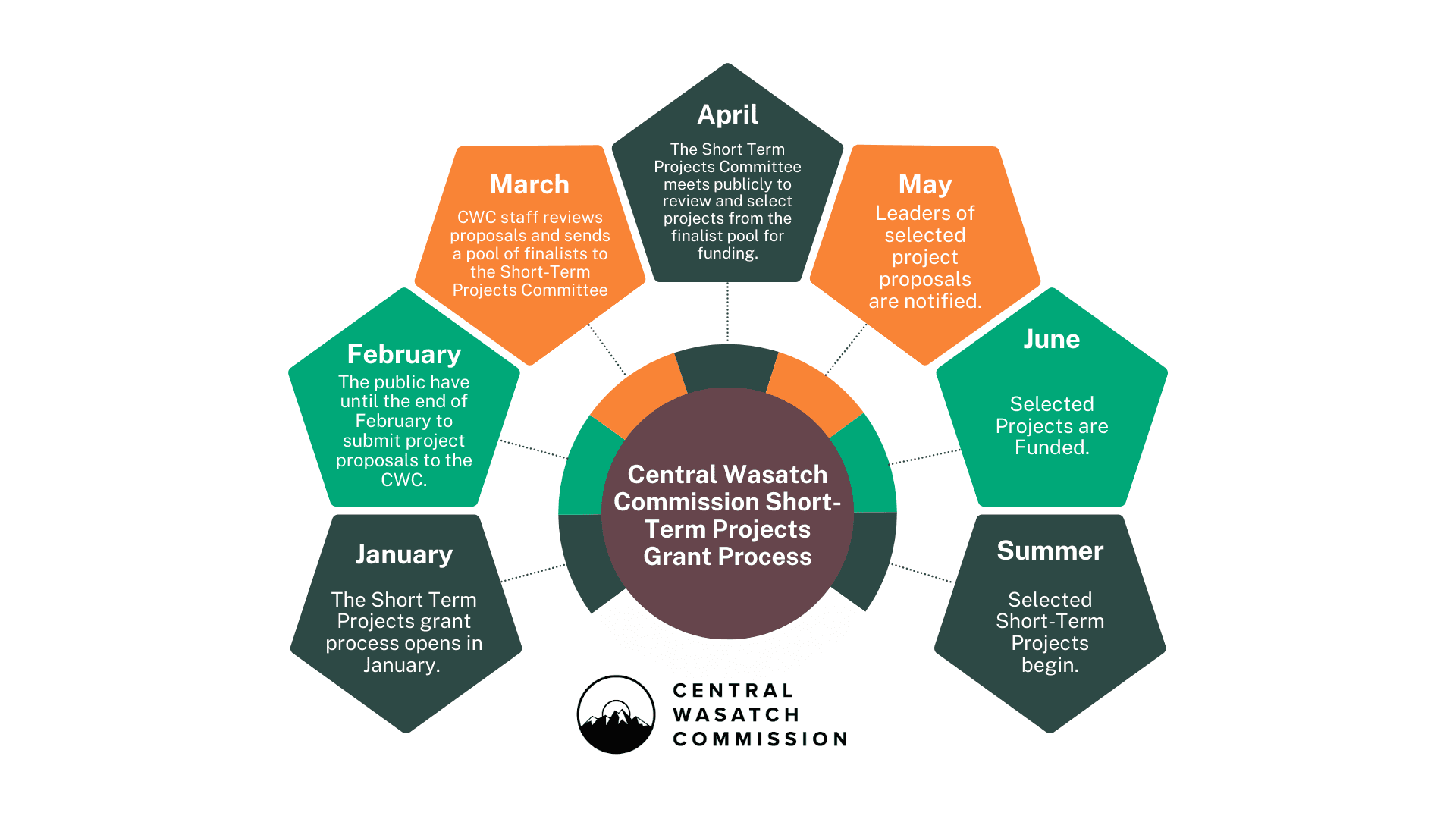
Summit County does not hand out these grants casually. The county's 2026 restaurant-tax advisory schedule opened applications on March 2 and closed them on March 31, with applicant interviews set for May 6 and 7 and recommendations moving to the Summit County Council after financial review. That sequence shows a process that starts with an application, moves through review and interviews, and ends with elected officials making the final call.
The county's committee records show that review is not just paperwork. In one Summit County RAP Cultural Committee meeting, members questioned applicants about the impact their projects would have on Summit County, which is the central accountability test in a county where outside visitors and local taxpayers often support the same institutions. The RAP Tax Recreation Committee also meets publicly, including at the Sheldon Richins Building in Park City and via Zoom, which makes the decision-making process more visible to residents watching from home or in person.
That public structure matters because the county is dealing with a broad menu of applicants. A fire district asking for equipment, a recreation district seeking trail work, a museum applying for cultural support and a nonprofit serving Eastern Summit County are all drawing from different parts of the same tax base, but they have to show up in the county's calendar and explain the local benefit.
How the county keeps score
Recipients do not just receive money and move on. The restaurant-tax grant requires a written financial report with supporting documentation, and that report is due when the project is completed or within 18 months of County Council approval. That deadline gives the county a way to check whether public money went where the application said it would go.
The structure fits a county that is small in population but large in footprint and visitor exposure. The U.S. Census Bureau estimates Summit County's population at 43,109 in July 2024 and 43,141 in July 2025, spread across 1,870.7 square miles of land area. The county's history page calls it "Utah's Gateway" and points to the 2002 Winter Olympics as part of its modern story, both of which explain why tourist-linked revenue is woven so deeply into local budgeting.
That is the real tradeoff behind Summit County's grant system. Visitor spending helps pay for fire protection, search and rescue, recreation facilities, cultural organizations and the public venues that shape daily life here, and the county has built a formal process to decide which projects prove the strongest return. In a place where tourism, public safety and local identity are all tied together, the grant list is also a map of what residents are actually getting back.
This article was produced by Prism’s automated news system from verified source data, official records, and press releases, then run through automated quality and moderation checks before publishing. The system is built and supervised by the people who set the standards it runs under. Read our full AI policy.
Know something we missed? Have a correction or additional information?
Submit a Tip