Summit County Housing Authority Eyes ADU Pilot to Boost Workforce Housing
Madlyn McDonough is pushing an ADU pilot aimed at a county where buying an average home requires earning $410,000 a year while most workers take home $47 an hour.
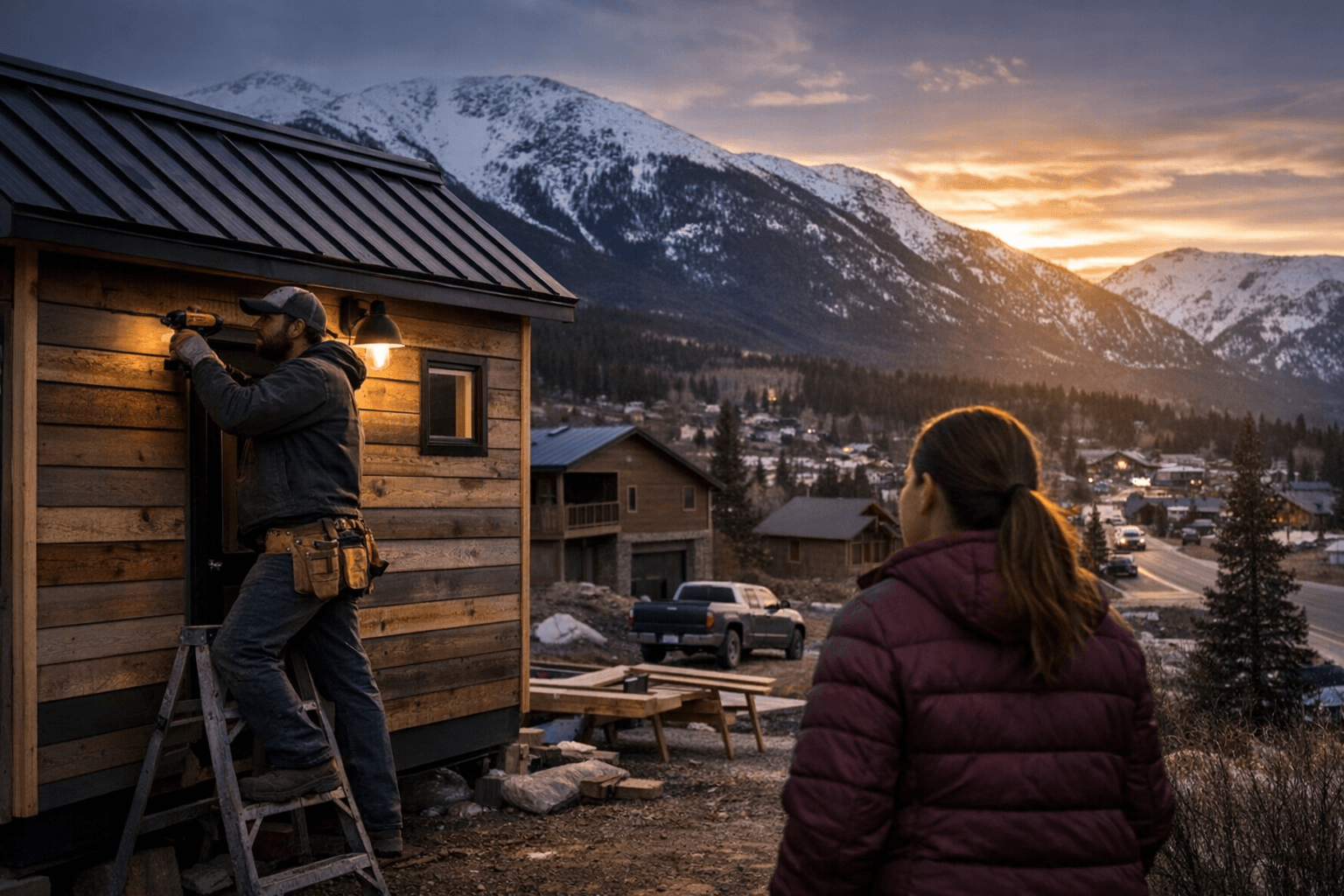
Madlyn McDonough presented a case for building workforce housing one backyard at a time on March 27, outlining a pilot program before the Summit County Housing Authority that would offer incentives to homeowners who construct or convert existing space into deed-restricted accessory dwelling units reserved for local workers.
The pilot would focus primarily on the East Side and Eastern Summit County, where the affordability gap between wages and home prices is particularly stark. To purchase an average home in Summit County, a buyer needs to earn roughly $410,000 per year, or about $197 an hour. The county's average workforce wage is approximately $47 an hour. The median price of a single-family home within Park City limits reached $3.96 million by the first quarter of 2025, and a Park City City Hall report offered a blunt conclusion: "most of the workforce is simply priced out of ever purchasing a home in Park City."
Incentives under discussion include direct subsidies, a library of pre-approved ADU blueprints designed to reduce design and permitting costs, expedited permitting, and technical assistance for homeowners. Each participating unit would carry a covenant requiring long-term affordability, restricting rents to qualifying working households.
The Housing Authority's 2026 operating budget of approximately $349,000 limits how large any cash outlays can be. McDonough pointed to Summit County, Colorado, as a model: that jurisdiction reimburses homeowners 25 percent of ADU construction costs, up to $40,000 for a studio, $50,000 for a one-bedroom, and $60,000 for a two-bedroom, with rents capped at 110 percent of area median income. Summit County, Colorado has required all ADUs to be deed-restricted since 1984 and also provides fee waivers and pre-approved stock plans. Within Summit County, Utah's budget constraints, the pre-approved blueprint library may serve as one low-cost lever to reduce construction barriers without large cash outlays.
The scale of the problem driving that urgency is well-documented. The University of Utah's Kem C. Gardner Policy Institute identified a 1,674-unit affordable housing deficit in Summit County, a figure that does not account for the roughly 15,000 workers who commute into the county every day. U.S. Census Bureau data shows 63.1 percent of Summit County employees live beyond the county line. Summit County's affordable housing budget also includes an additional $50,000 earmarked specifically for Eastern Summit County housing incentives, separate from the Housing Authority's core operating funds.
The ADU pilot is expected to be the first initiative launched under the Housing Authority's broader 10-year plan, which aims to add 1,500 affordable units across the area by 2035. McDonough telegraphed the timeline months before the March discussion: "We're going to be working through creating the requirements and specifications for the (Accessory Dwelling Unit) pilot program because that's going to be one of the first things launched in 2026," she said in September 2025.
The Housing Authority board brings directly relevant backgrounds to the deliberations: at-large commissioners include Lewis, a general contractor with personal experience with housing authorities; Meixner, a commercial real estate agent; Sonntag, a member of the Eastern Summit County Planning Commission; and Schulz, director of the Early Childhood Alliance at the Park City Community Foundation. The board is still working through pilot size, eligible income bands, and the required length of affordability covenants before any program rules can be formally adopted and funding allocated.
This article was produced by Prism’s automated news system from verified source data, official records, and press releases, then run through automated quality and moderation checks before publishing. The system is built and supervised by the people who set the standards it runs under. Read our full AI policy.
Did this article answer your question?