Summit County restaurant tax sends $4 million to nearly 40 groups
Summit County’s restaurant tax will put more than $4 million into nearly 40 groups, funding everything from cultural tourism to visitor-serving community projects.
More than $4 million from Summit County’s 1% restaurant tax is flowing back into the local economy this year, with grants expected to support nearly 40 organizations that shape the county’s visitor experience, cultural identity and public-facing amenities. The biggest awards are going to projects that county leaders say can draw visitors, strengthen tourism and deliver a visible return to residents and businesses that help generate the tax in the first place.
The money does not go into a general fund. Local groups have to compete for it through the Summit County Restaurant Tax Grant program, which county officials say is designed to promote tourism under state law and county council direction. The county’s criteria favor projects with tourism-based impact, a strong return on investment, leverage of other funding, the ability to increase future 1% tax collections, and the experience and controls of the project manager. The county also suggests a minimum request of $10,000, reinforcing that this is meant to support substantial public-facing work rather than small one-off asks.
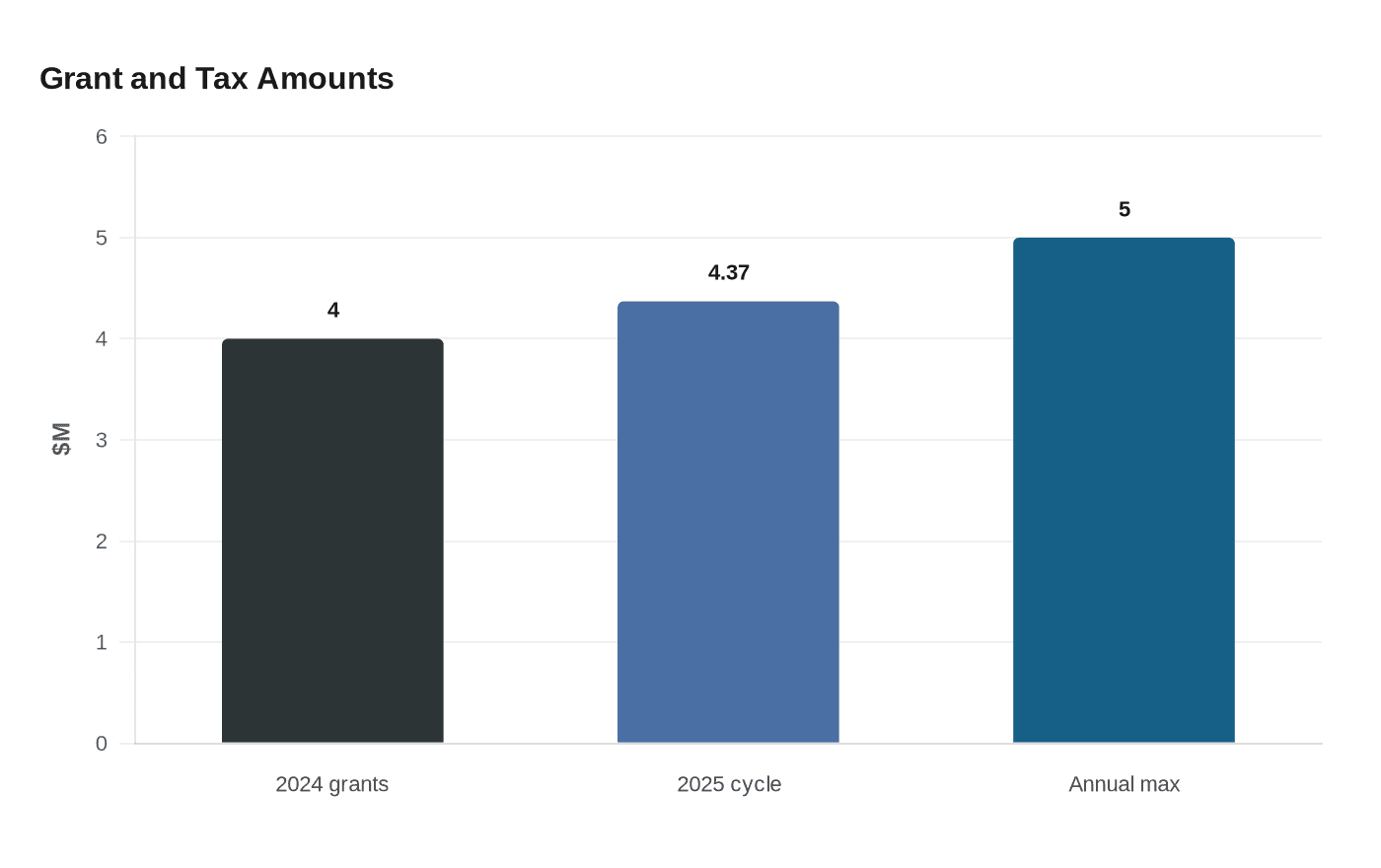
That makes the grant cycle a taxpayer-accountability issue as much as a tourism strategy. Summit County approved about $4 million in restaurant-tax grants in 2024 to 53 requests, and officials said roughly $4.37 million was available for the 2025 cycle. The county says the tax has been part of Summit County life since it was first collected in June 1992, after the Utah Legislature authorized it in 1991. The current advisory committee includes Billy Demong, Alyssa Marsh, Heleena Sideris, Jodie Rogers, Beth Rossi, Guy Morris, Meisha Ross, Rick Anderson, Maureen Dunn and Amy Jones.
The largest awards matter because they help determine what residents and visitors actually see on the ground. Last year’s funding helped support programming on Park City’s Main Street, the Oakley rodeo, Kamas Fiesta Days, parades in Coalville and KPCW events. County officials also showed they are not handing out automatic renewals: in 2025, they declined to fund Sundance Institute marketing costs through the program. That kind of decision signals that the county is willing to draw a line between broad visitor benefit and requests that do not fit the grant’s tourism purpose.
The tax itself has become a political target because it raises up to $5 million a year from restaurant, bar and fast food sales, and local allies fought off Utah House Bill 231, which would have repealed the restaurant tax and replaced it with a broader sales tax. The House rejected it by about a 2-to-1 margin. For Summit County, the result preserves a funding stream that ties dining receipts to cultural, sustainability and tourism priorities, while leaving taxpayers with a clear expectation: the money should come back in the form of better events, stronger institutions and a more usable county for the people who live here and the visitors who keep coming.
This article was produced by Prism’s automated news system from verified source data, official records, and press releases, then run through automated quality and moderation checks before publishing. The system is built and supervised by the people who set the standards it runs under. Read our full AI policy.
Did this article answer your question?