Summit County Secures 835 Acre Ure Ranch, Preserves Kamas Valley Future
Summit County and the Summit Land Conservancy completed the acquisition of the 835 acre Ure Ranch in the Kamas Valley on December 16, 2025, protecting the land for open space, agriculture and public recreation. The purchase locks in multiple conservation easements and uses a mix of federal and local funding, a decision that will shape local farmland, wildlife habitat and recreational access for years to come.
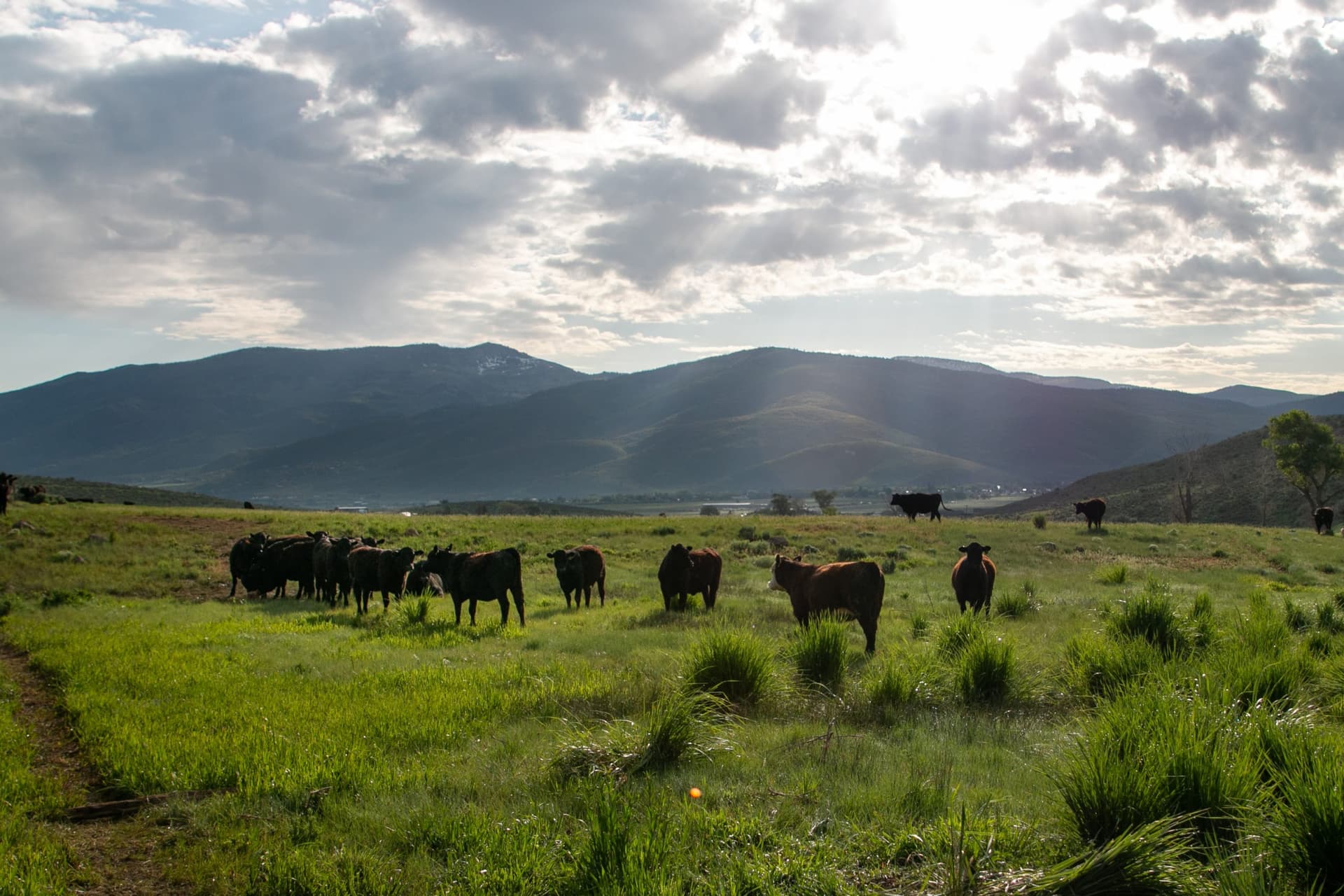
Summit County and the Summit Land Conservancy finalized the purchase of the 835 acre Ure Ranch in the Kamas Valley on December 16, 2025, a move county leaders describe as a major victory for open space and agricultural preservation. County staff will now record five separate conservation easements across parcels labeled Ure North Meadows, Ure Homestead, Ure Recreation, Ure South Meadow and The Swamp, each tailored to different public and agricultural purposes.
“On behalf of Summit County, I want to say how excited I am to see this precious land protected for open space and agriculture for generations to come,” said Summit County Council Chair Tonja Hanson. “I lived directly across the street from this property for 28 years. My fear was that someday, I would wake up and see nothing but rooftops across the beautiful Kamas Valley. With a conservation easement on this property, that will never happen.”
Under the planned easements, Ure Recreation will be open to the public for hiking, biking and equestrian use, while Ure North Meadows and Ure South Meadow will likely be leased or sold to farmers or ranchers to continue agricultural production. The Ure Homestead will support agricultural operations and educational programs, and The Swamp is intended to restore a functioning wetland ecosystem.
“The Ure Ranch is big enough to give the Kamas Valley a fighting chance to remain rooted in agriculture,” said Summit Land Conservancy CEO Cheryl Fox. “Preserving it protects the long-term livelihood of local producers by creating synergies with other agricultural landscapes. We are grateful for our long-standing partnership with the Natural Resources Conservation Service, which helped make this project possible.”
Funding came from multiple sources, including a $6.2 million contribution from the National Resources Conservation Service, $2.5 million from the Land and Water Conservation Fund, $500,000 from the Utah Outdoor Recreation Initiative, and roughly $17 million from Summit County. County contributions included $7 million from the open space bond voters approved in 2021, $10 million from transient room taxes, and $210,000 from the county transportation budget.

County Lands and Natural Resources Director Jess Kirby said the Ure family chose conservation over development, and the county will spend the next year finalizing recreation management plans and proposed hiking trails. “It has been an honor to work alongside the Ure family throughout this conservation journey,” said Kirby. “Their decision to choose conservation over development is a profound gift to both the land and the community. Our vision is to honor the family by shaping a future on the ranch that celebrates Summit County’s agricultural roots to inspire and sustain generations to come.”
The county expects to seek public feedback on trail and recreation plans by the end of spring, and to open the property to the public by summer 2027. The acquisition had been delayed repeatedly this year by federal grant freezes and a federal shutdown that interrupted funding and appraisal work. The property had been under option for 1,006 days before the purchase closed.
The county also is exploring a rework of Gun Club Road, known as 200 South, in coordination with Wasatch County and Wakara to address dust and traffic concerns. That proposed roadway shift remains under negotiation and is expected to return to the County Council for final action within months.
“The Ure Ranch provides vital habitat for wildlife, including elk, mule deer and migratory waterbirds, such as Sandhill cranes,” the county said in a press release. “Its protection further contributes to the region’s scenic beauty, preserving wetlands and riparian areas and aligning with local and county land use plans emphasizing open space, agricultural heritage and mitigation of regional growth.”
This article was produced by Prism’s automated news system from verified source data, official records, and press releases, then run through automated quality and moderation checks before publishing. The system is built and supervised by the people who set the standards it runs under. Read our full AI policy.
Did this article answer your question?