Summit County Seeks Public Input on Plan to Extend Landfill Life
Summit County launched public outreach on an Action Plan addendum to the 2018 Solid Waste Master Plan to extend the landfill’s life by roughly 10 years, seeking resident input on waste priorities.
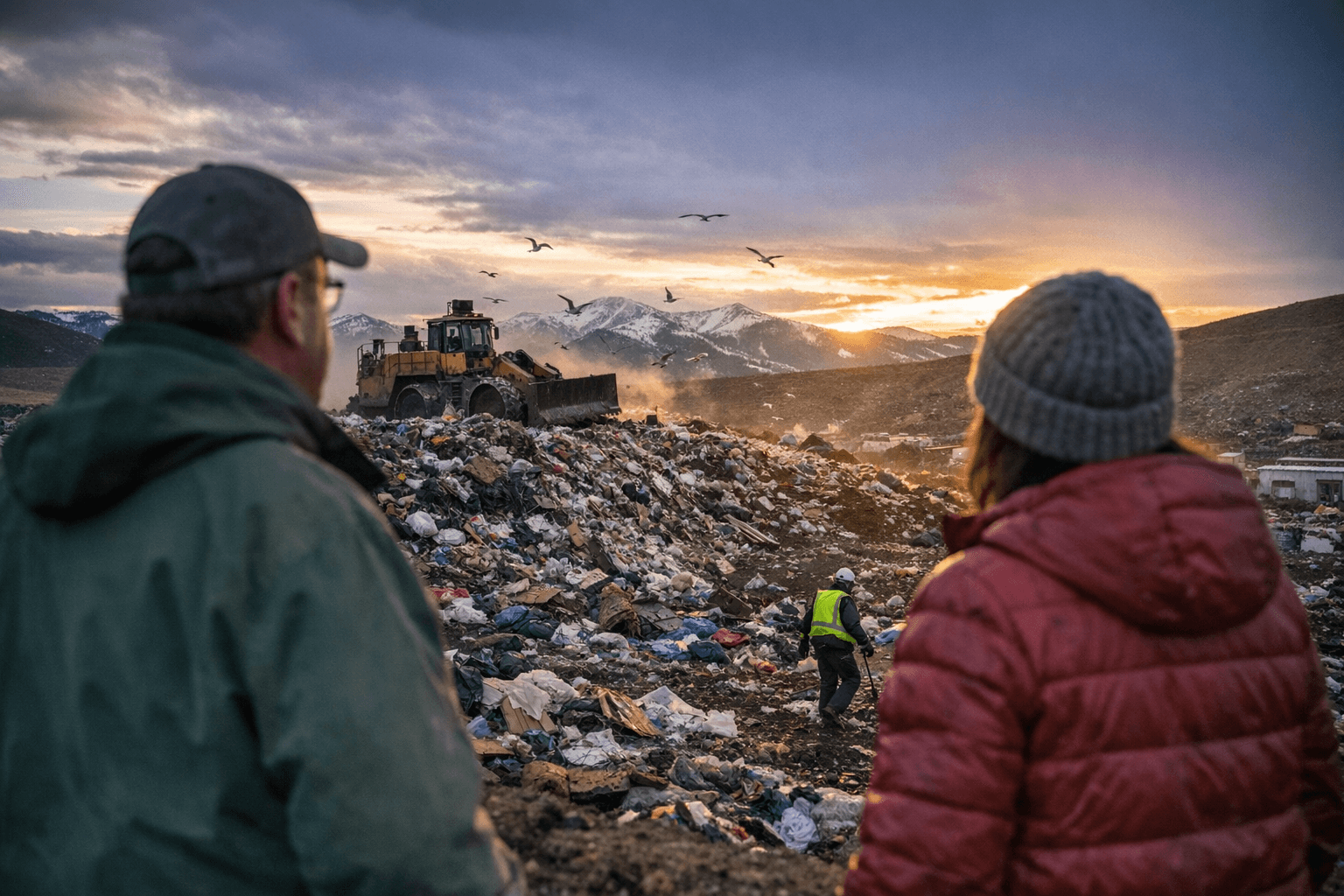
Summit County has launched a public engagement process on an Action Plan addendum intended to extend the county landfill’s life by roughly 10 years. Officials say the addendum builds on the 2018 Solid Waste Master Plan and focuses on practical strategies and enhanced waste-diversion measures that could alter local waste flows and long-term costs.
County staff posted on Jan. 23 that the public engagement phase includes a FlashVote survey designed to capture resident practices, priorities and values on waste management. Summit County published the survey dashboard so residents can review responses and trends as the outreach continues. The county framed the process as collaborative and urged participation through a series of open houses and community events.
An early outreach date is set for a Snyderville Basin open house on Feb. 10, with additional community events to follow. Residents who attend those sessions or complete the FlashVote survey will have opportunities to weigh in on priorities that range from recycling and composting to collection schedules and potential program investments. Summit County presented the addendum as a tool to buy time while implementing measures to divert material from the landfill and extend existing capacity.
Policy implications for Summit County are significant. Extending the landfill’s service life by roughly 10 years can postpone more costly options such as site expansion, a new landfill search, or major infrastructure changes. That breathing room also shifts emphasis onto diversion programs, collection efficiencies and behavioral changes among residents. For local officials, the addendum will require clear performance metrics, predictable timelines and transparent reporting so residents can track whether diversion measures actually reduce tonnage and delay closure or expansion decisions.
Institutionally, the process tests how Summit County balances technical planning with public values. Publishing a survey dashboard signals a commitment to transparency, but the county will need to translate resident feedback into measurable actions and budget requests. Summit County faces choices that will affect service levels, fee structures and the county’s environmental footprint. How officials prioritize options will shape both near-term household practices and long-term planning.
For Summit County residents, this outreach is a chance to influence decisions that determine curbside services, recycling incentives and the timeline for larger capital projects. Review the FlashVote survey dashboard and details on open-house dates at summitcountyutah.gov/CivicAlerts.aspx. The next step is public participation: if enough residents engage, the addendum could steer policy toward expanded diversion and delay more disruptive disposal decisions.
This article was produced by Prism’s automated news system from verified source data, official records, and press releases, then run through automated quality and moderation checks before publishing. The system is built and supervised by the people who set the standards it runs under. Read our full AI policy.
Did this article answer your question?