Summit residents wary as MIDA backs massive AI data center proposal
Nearly 400 water-rights protests have piled up against MIDA’s Box Elder County AI data center plan, reviving old Summit-area worries about who pays and who profits.

The most immediate fight around MIDA’s new Box Elder County push is not just about jobs. It is about water, power and who carries the cost when a multibillion-dollar project lands in a fast-growing corner of Utah. By Thursday evening, the Utah Division of Water Rights had received nearly 400 written protests tied to the project’s water-rights application, a sign that the debate has moved well beyond the boardroom and into public concern.
The proposal, a hyperscale data center backed by the Utah Municipal Infrastructure Development Authority, was described as needing twice as much energy as the entire state of Utah currently uses. Supporters say it could create about 2,000 jobs and generate millions in tax revenue. Opponents have focused on environmental impacts and quality of life, and the backlash has already included a large crowd in Brigham City and a flood of formal objections.
For Summit County residents, the warning signs look familiar. MIDA has long been part of the regional development fights that reshaped the Park City area, especially in Wasatch County, where the agency became central to Deer Valley East Village, originally proposed as Mayflower Mountain Resort. That project now includes thousands of residential units, hotels, retail development, roads, utilities and ski infrastructure near Jordanelle Reservoir. MIDA says it budgeted roughly $274 million for East Village infrastructure improvements, and its tax increment financing arrangement diverts 75% of new property-tax revenue away from local schools and county services for as long as 40 years.
MIDA was created by the Utah Legislature in 2007, originally to support military installations such as Hill Air Force Base. It is governed by an eight-member board largely appointed by state leaders rather than local voters, and over time lawmakers expanded its authority to create project areas, issue bonds, finance infrastructure, negotiate development agreements and redirect future tax revenue. That structure is exactly why critics see the agency as a powerful but lightly accountable player in land-use decisions that can shape communities for decades.
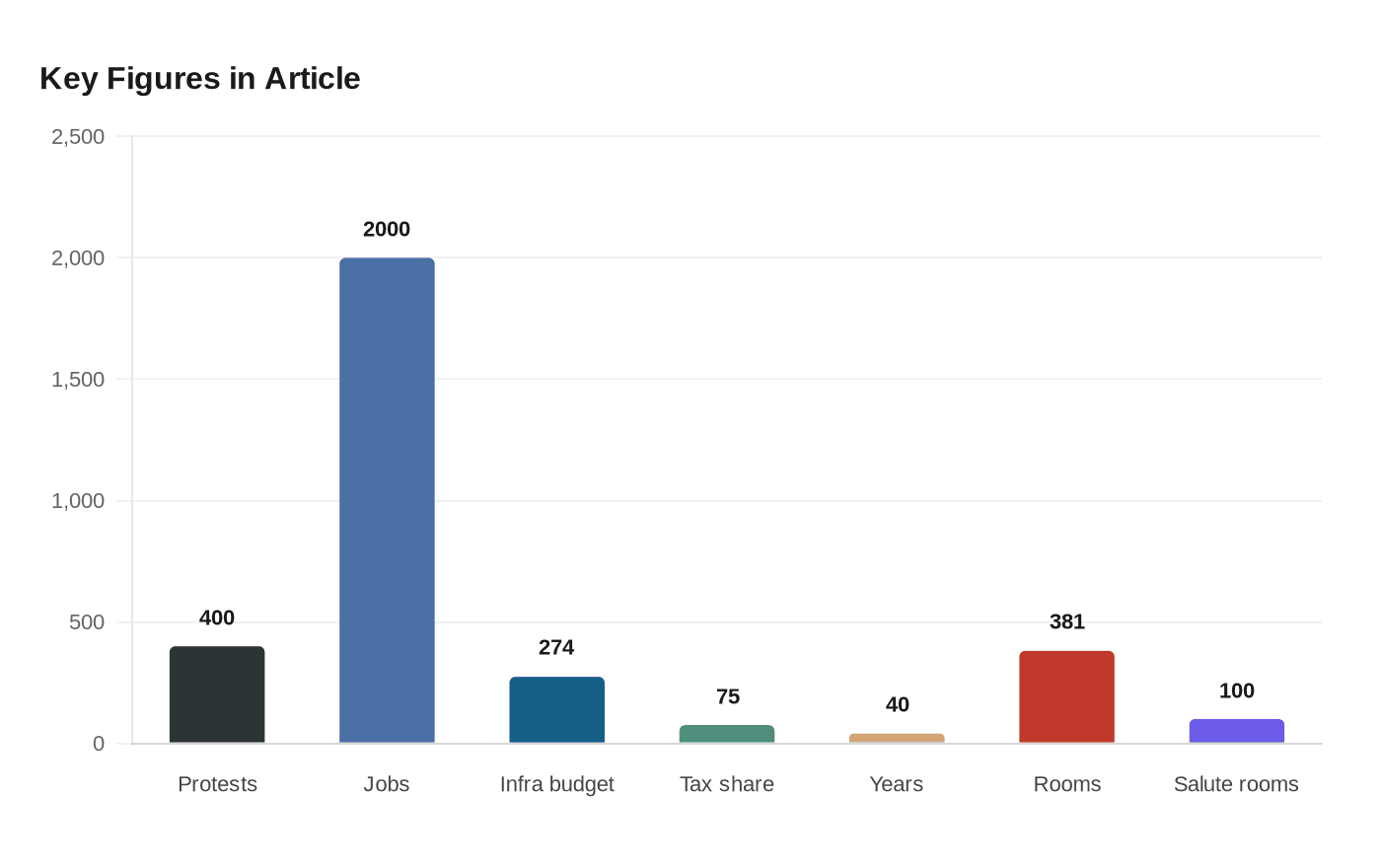
The Deer Valley example still sits fresh in local memory. Congress granted the Air Force a 26-acre Red Maple parcel near Park City in 2001 for a military morale, welfare and recreation replacement project after an earlier lodge near Snowbasin was closed in the 1990s ahead of the 2002 Winter Olympics. MIDA says four years of weekly public meetings with Wasatch County helped work out the details, and the Grand Hyatt Deer Valley opened in November 2024 with 381 rooms, including 100 Salute to Service rooms reserved at preferred rates for service members and veterans.
That history is now feeding skepticism about the AI-era pitch in Box Elder County. Rod Moser, a Utah House District 45 candidate, has argued that MIDA’s expansion reflects mission drift from its original military purpose. For Summit County, the larger question is whether the same agency that helped package resort growth near Park City can again win trust while the hardest issues, especially water use, oversight and public benefit, remain unresolved.
This article was produced by Prism’s automated news system from verified source data, official records, and press releases, then run through automated quality and moderation checks before publishing. The system is built and supervised by the people who set the standards it runs under. Read our full AI policy.
Did this article answer your question?

