Unseasonably dry conditions spark February brush fire near Wanship
A brush fire near Wanship burned about 1.5 acres after accidental ignition during ranch work and was contained with no injuries; dry winter snowpack raises local wildfire concerns.
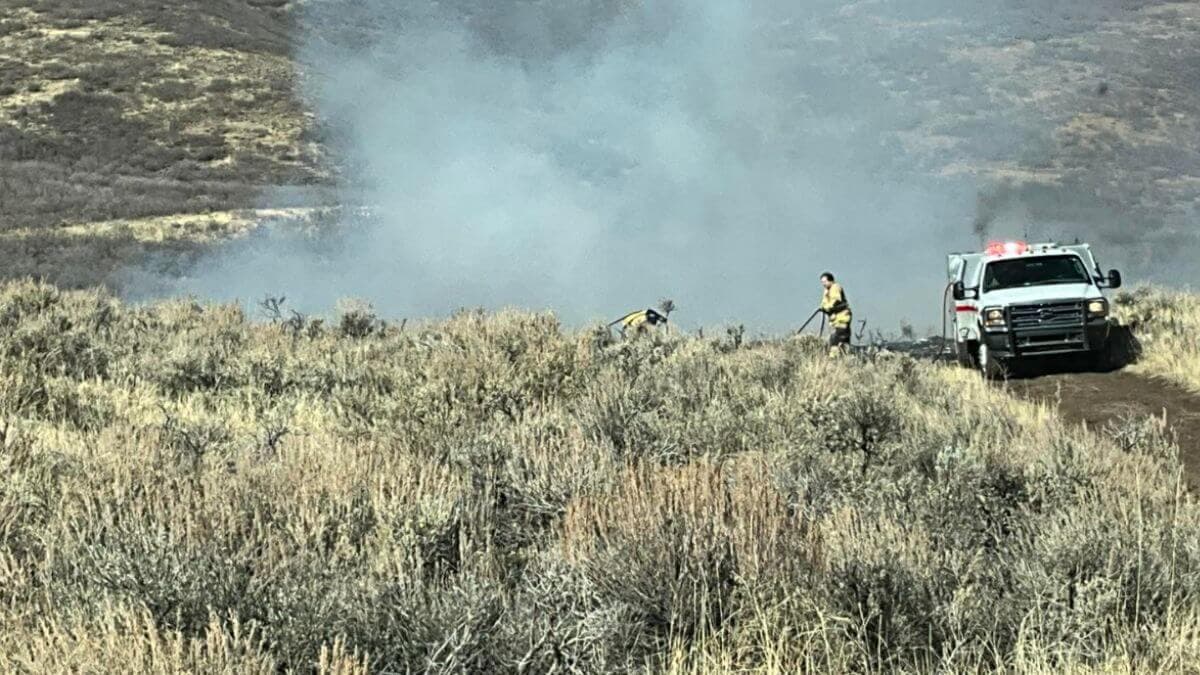
A human-caused brush fire burned an estimated 1.5 acres near Wanship after crews were dispatched at approximately 1:10 p.m., and was fully contained with no injuries and no structures threatened. North Summit Fire District crews requested additional resources from Park City Fire District and Utah Forestry, Fire & State Lands as shifting winds pushed flames through low-lying vegetation before crews stopped the fire short of steeper terrain.
Battalion Chief McKay Wadley of Park City Fire District attributed the ignition to accidental work at a ranch in the area and described the seasonal conditions that helped the fire take hold. "Normally, the vegetation holds a lot more moisture because of snowpack, cooler temperatures, and fewer daylight hours," he explained. "This year, it just hasn’t had that chance." Wadley emphasized the anomaly of the timing: "The biggest thing that’s unique about this is that it’s February. Usually an area like that would be under four feet of snow. We typically don’t see brush fires this time of year."
Local containment actions were swift. Crews extinguished the blaze before it reached steeper slopes where access and mitigation become more difficult. North Summit Fire District credited quick detection and tactical response for keeping the incident limited to roughly 1.5 acres, and a photograph of the response was supplied by North Summit Fire.
The Wanship fire arrives amid a broader regional concern over thin snowpack and expanding dryness across Western watersheds. National Interagency Fire Center meteorologist Jim Wallmann called the current situation "dismal, just because of the state of snowpack." He warned that without substantial snowfall, recovery of moisture reserves will be difficult: "It’s going to take a miracle March to get back close to normal for snowpack." Federal outlooks also note that low snow at middle and upper elevations can limit prescribed burning and could contribute to increased large-fire potential later in spring if early green-up is weak.

For Summit County residents the incident underscores several policy and preparedness questions. Wintertime fires complicate resource planning because agencies historically tie seasonal staffing, fuel treatments, and public messaging to expected snowpack. Park City Fire District, North Summit Fire District, and Utah Forestry, Fire & State Lands already collaborated on the scene; elected county officials and local fire boards may need to reassess funding and mutual-aid protocols if atypical winter fires become more common. Limits on prescribed burning and early-season fire activity could also affect rangeland management and ranching operations.
What comes next for residents is heightened vigilance and clearer public guidance. Expect local fire districts to monitor snowpack forecasts and to issue advisories if conditions remain unusually dry. Those conducting winter work near rangeland should take extra precautions and check with local fire agencies before any activity that could produce sparks. Policymakers will face decisions this spring about resource allocation, prevention messaging, and whether current preparedness measures match a changing wildfire calendar.
Know something we missed? Have a correction or additional information?
Submit a Tip