Utah drought deepens, poor snowpack threatens Summit County water supplies
Summit County is heading into summer with weak snowpack, early runoff and tighter water rules, raising the odds of tougher tradeoffs for lawns, crops and fire safety.
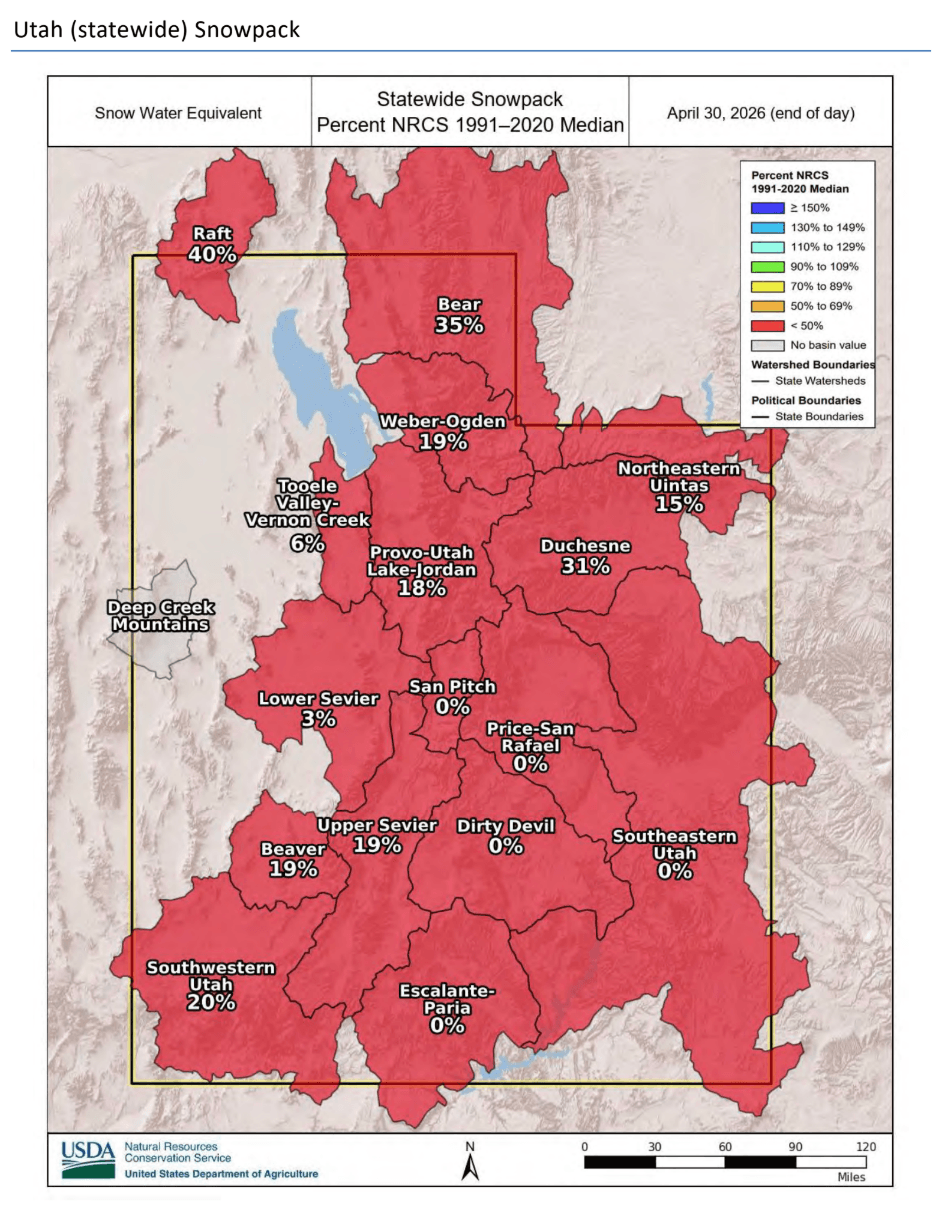
Weak snowpack was already turning into a local problem for Summit County, where Park City had put watering restrictions in place, Mountain Regional Water had declared a reduced-water season, and fire officials were warning of an early wildfire threat. The lack of improvement in April meant there was little cushion left for homes, landscaping, agriculture and recreation once the summer heat arrived.
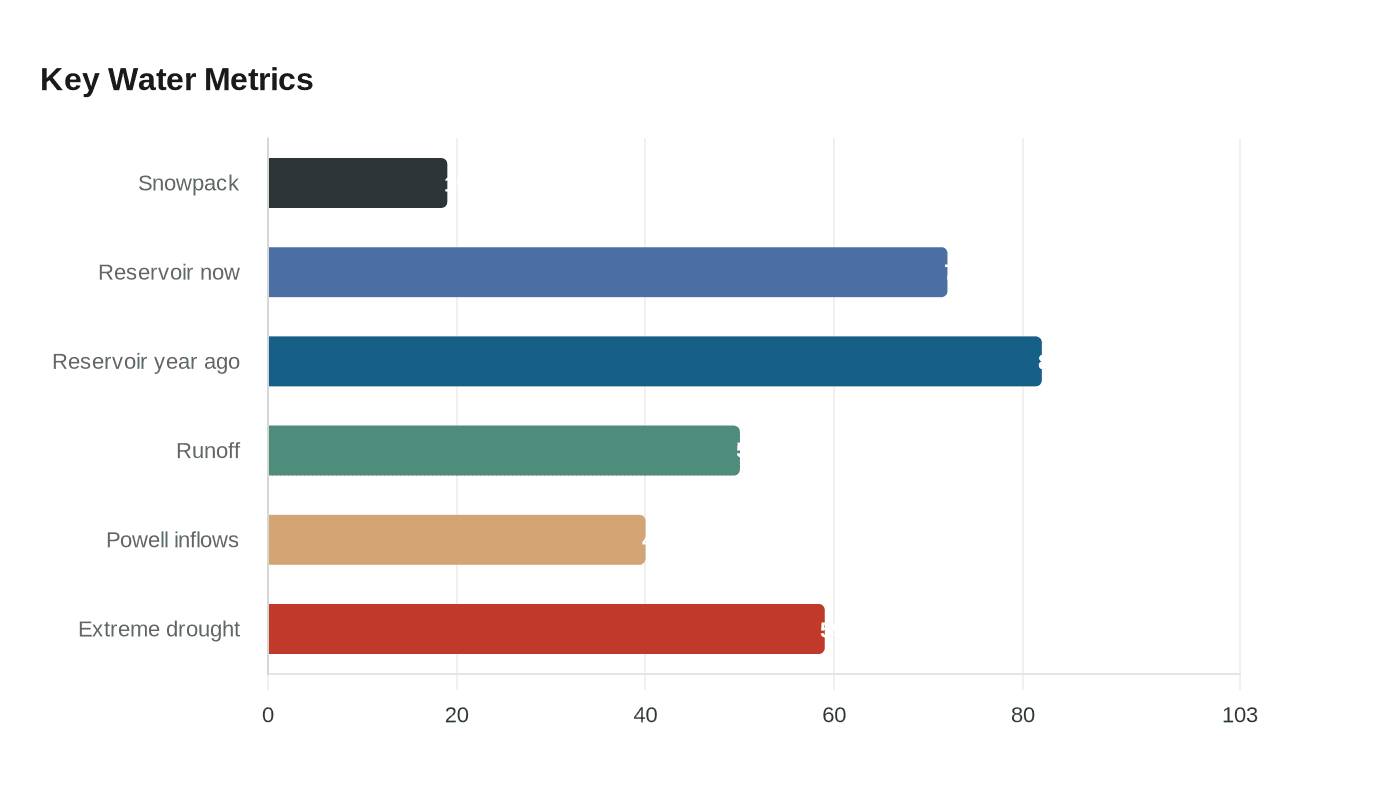
The Natural Resources Conservation Service said Utah’s statewide snow water equivalent peaked on March 9 at 8.4 inches, then fell to 2.7 inches by April 1, just 19% of median. Every major basin in the state recorded low snowpack, and 53 of Utah’s 140 SNOTEL sites were already dry. The April 1 reading was the lowest ever recorded in Utah’s measurement history dating to 1930, and the next-lowest April 1 value, in 2015, was roughly five times higher.
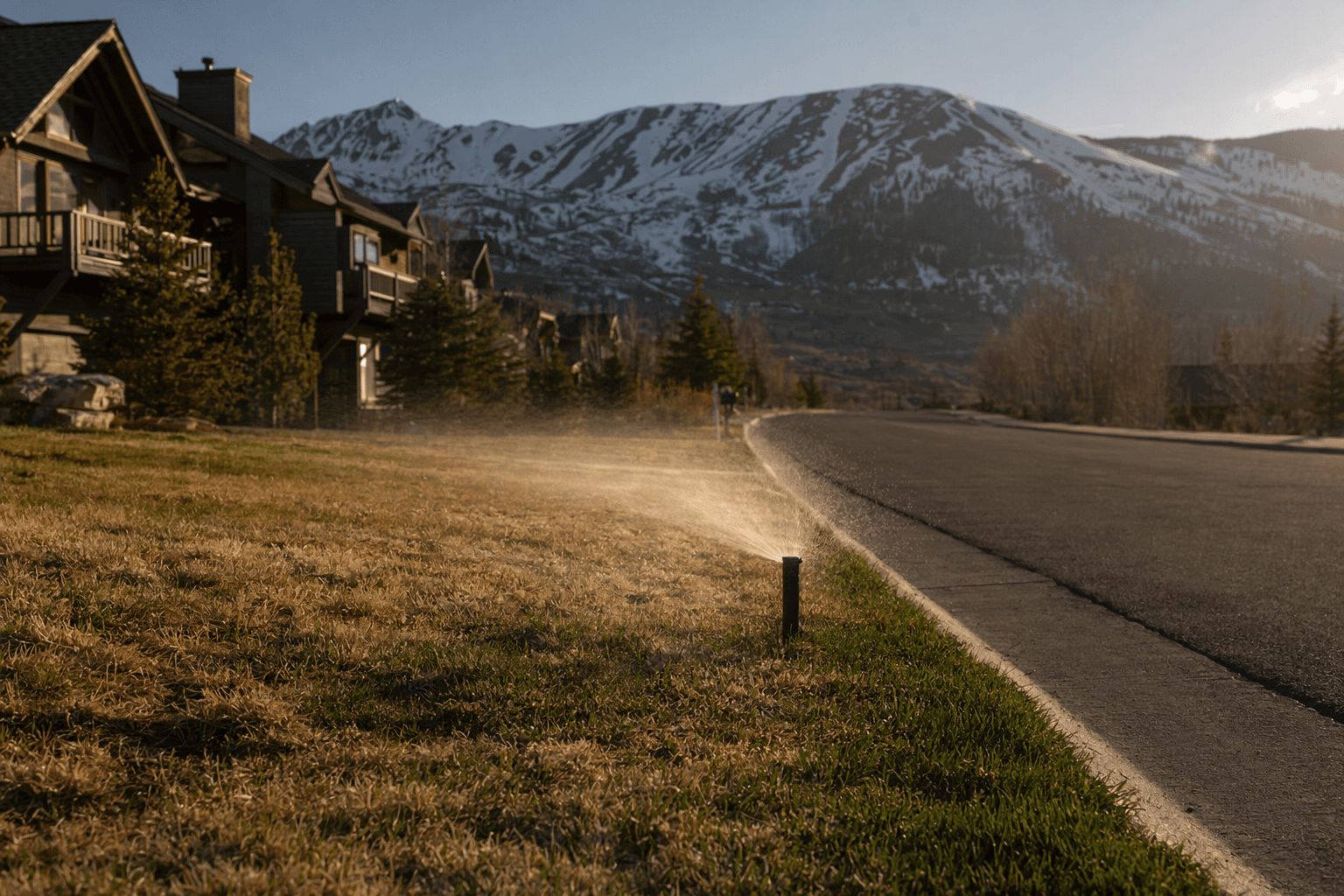
April rain did little to change that picture because much of it fell after the snow reservoir had already collapsed and the ground had dried out. Utah’s Division of Water Resources said on April 23 that peak runoff had already come and gone because of record-low snowpack and record-high temperatures. The state said all of Utah was in drought, with 59% in extreme drought, while streamflow runoff was running at about 50% of normal and natural inflows to Lake Powell were expected to be about 40% of normal. Reservoir storage averaged 72% full, down from 82% a year earlier.
Summit County was not spared. Drought.gov showed 100% of people in the county affected by drought, and April 2026 ranked as the 53rd driest April on record there. Year to date, it was the 14th driest over 132 years. For a mountain county that depends on snowmelt to feed streams and reservoirs, that means every dry week raises the pressure on summer supply, stream health and recreation.
Local water providers were already moving. Park City said its watering rules began May 1, with even-numbered addresses watering on even-numbered days and odd-numbered addresses on odd-numbered days. Susan Cordone, Park City’s conservation coordinator, said the city was promoting conservation with incentives. Mountain Regional Water Special Service District, which serves much of western Summit County, called 2026 a Level 3 reduced-water season with a 20% reduction from annual allocation and recommended delaying outdoor watering until June 1.
The stakes reached beyond lawns. Summit County’s water-conservation page says outdoor irrigation and agriculture account for 79% of Utah’s water use, and about 60% to 65% of municipal water goes to landscape needs. County leaders also backed early seasonal restrictions on personal fireworks and open burning in unincorporated areas served by the Park City Fire District and North Summit Fire District, as the Bureau of Land Management has also used fire restrictions to limit human-caused wildfires during extreme drought and high fire danger. The Utah Water Supply Outlook Report warned that mountain soils had already peaked in moisture and could face a longer-than-normal dry summer, a sign that Summit County’s water and fire managers may have to keep tightening the screws as the season unfolds.
This article was produced by Prism’s automated news system from verified source data, official records, and press releases, then run through automated quality and moderation checks before publishing. The system is built and supervised by the people who set the standards it runs under. Read our full AI policy.
Did this article answer your question?