DOJ Sues Oklahoma Over Voter Registration Data, Joining 28 Other States
The DOJ sued Oklahoma for refusing to hand over voter registration data, but the state says it never received a proper access request for the data warehouse.
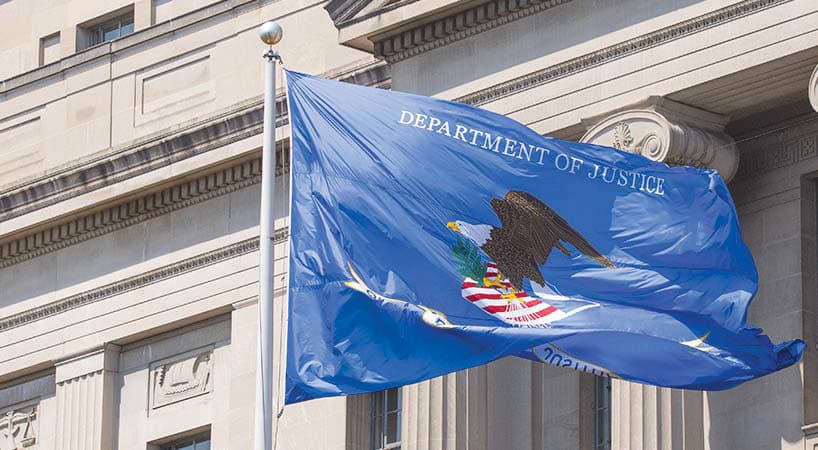
The U.S. Department of Justice's Civil Rights Division sued Oklahoma last week for allegedly failing to produce its full statewide voter registration list, adding the state to a growing roster of 29 jurisdictions facing federal litigation over the same demand.
Oklahoma joins Utah, Kentucky, West Virginia and New Jersey in the latest round of suits, announced Thursday, February 26. The litigation now spans 29 states and the District of Columbia, according to the Southwest Ledger and multiple Oklahoma broadcast outlets. The DOJ had previously filed similar suits in December against Illinois, Georgia, Wisconsin and the District of Columbia; in each of those cases, the states and D.C. refused to comply, citing local privacy laws.
Oklahoma's State Election Board says it did not simply refuse. Misha Mohr, the board's director of communications and public information, told The Lawton Constitution in late December that the DOJ had requested the statewide voter registration list "several months ago" and that the board responded by providing instructions for accessing it through the OK Election Data Warehouse. "However, no request for access was received," Mohr said. Southwest Ledger reporting also noted that the DOJ had sent requests to the wrong address, though the full details of that communication breakdown were not elaborated in available accounts.
When it came to private data fields, however, the board drew a firm line. State law prevents the board from sharing Social Security numbers and driver's license numbers, and officials said they were unaware of any federal law compelling them to do so.
Attorney General Pam Bondi framed the litigation as a matter of basic electoral accountability. "Accurate, well-maintained voter rolls are a requisite for the election integrity that the American people deserve," she said. "This latest series of litigation underscores that this Department of Justice is fulfilling its duty to ensure transparency, voter roll maintenance, and secure elections across the country."
Assistant Attorney General Harmeet K. Dhillon of the Civil Rights Division went further, directly addressing state resistance. "Many state election officials, however, are choosing to fight us in court rather than show their work," Dhillon said. "We will not be deterred, regardless of party affiliation, from carrying out critical election integrity legal duties."
Oklahoma Attorney General Gentner Drummond did not dispute the DOJ's broader stated goals. "The integrity of our elections is foundational to our republic, and efforts to identify and eliminate voter fraud are both appropriate and necessary," Drummond said. He added that Oklahoma shares the federal commitment to compliance with election law while also pledging to protect personal information.
Governor Kevin Stitt did not directly address the lawsuit but posted on social media that Oklahoma had banned ballot harvesting, requires voter ID and verifies results with post-election audits. "Because in Oklahoma, every legal vote counts," Stitt wrote. "That's why we're a national leader in election integrity."
The DOJ began demanding voter rolls from states last summer. The core tension in Oklahoma's case centers on whether the department's request encompassed only publicly available registration data or extended to private identifiers that state law explicitly shields from disclosure. That question, still unresolved, will likely define the litigation's trajectory in federal court.
This article was produced by Prism’s automated news system from verified source data, official records, and press releases, then run through automated quality and moderation checks before publishing. The system is built and supervised by the people who set the standards it runs under. Read our full AI policy.
Did this article answer your question?