Guymon remains Texas County’s commercial hub as agriculture drives economy
Guymon’s farm economy reaches far beyond city limits, and any shift in water, labor or commodity markets can ripple through Texas County’s towns, schools and Main Street.

Guymon at the center of the county
Guymon remains the commercial hub of Texas County because agriculture still sets the pace for everything around it. The city is not just a place where farm business happens, it is where cattle, feed, grain, trucking, equipment sales and repair work are converted into paychecks, purchases and local tax revenue that reach well beyond the city limits.
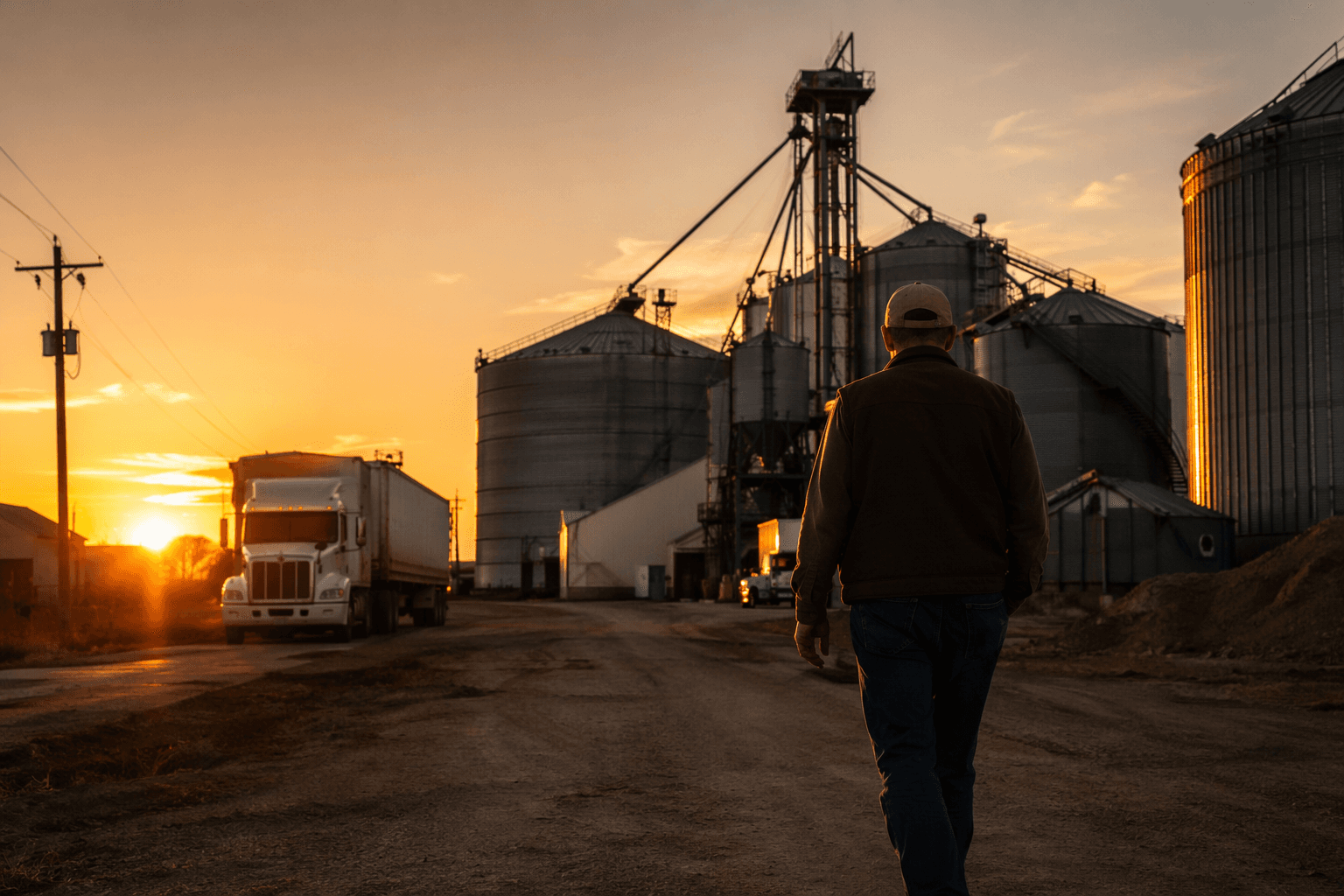
That reach extends across Hooker, Goodwell, Texhoma and the county’s unincorporated areas, where residents rely on Guymon for goods, services and jobs. The local economy functions less like a single town’s market and more like a regional system, with farm and ranch activity feeding restaurants, healthcare services, mechanics, schools, financial institutions and local government.
How agriculture moves money through Texas County
The county’s agricultural base matters because it supports both direct and indirect employment. Some jobs are tied closely to the farm gate, such as cattle handling, grain movement, truck driving and equipment repair. Others depend on the steady flow of farm income through the rest of town, from grocery counters and main-street shops to loan offices and public payrolls.
That dependence shows up in ordinary routines. Truck traffic affects road maintenance. Seasonal labor needs influence housing, school schedules and everyday planning. Commodity movement shapes when and how local businesses see customers. In a county built around production and transport, agriculture is not one sector among many, it is the engine that keeps the rest turning.
The effect is especially important in Guymon because so many nearby communities depend on the city for services they cannot duplicate on their own. A strong agricultural economy gives those businesses a broader customer base and helps keep the county’s spending circulating locally instead of leaking out to larger regional centers.
Why water is the biggest long-term risk
The county’s economic stability is tied to water as much as to weather. Dry conditions can raise costs, strain supplies and force difficult decisions for livestock producers and crop growers. In Texas County, where the Ogallala Aquifer is part of everyday conversation, water is not an abstract policy issue. It is a practical limit on how much growth the county can sustain and how long its current agricultural model can keep working.
That is why drought, groundwater availability, wildfire danger and wind are watched so closely. Each one can alter feed costs, grazing decisions, harvest timing and transportation conditions. When water gets tight, the pressure does not stay on the farm. It moves into equipment shops, lenders’ offices, school budgets and household spending.
The long-term challenge is planning for resilience while staying profitable in the short term. Agricultural resilience in Texas County depends on more than a good year of rain. It depends on whether producers, local officials and businesses can adapt to a future shaped by tighter water supplies, changing climate patterns and the rising cost of doing business.
What a slowdown would mean town by town
A healthy ag economy supports more than harvest season. It helps keep people working, keeps trucks moving and supports local tax bases that fund public services. That matters in a county where school enrollment, church giving and Main Street traffic are closely linked to whether farm and ranch families feel secure enough to stay rooted.
If agriculture slows, the impact would not stop in Guymon. It would show up in smaller towns that depend on the city’s commercial gravity, from fewer repair orders and softer retail sales to reduced demand for professional services. Local churches and schools feel that kind of strain too, because when families leave or cut spending, the loss is spread across the whole community.
That is why agriculture functions as a community story, not just a business story. It helps determine whether young families remain in the county, whether local institutions stay viable and whether the county’s towns can keep enough activity on their streets to survive.
The pressures business owners and officials cannot ignore
The biggest vulnerability is the same one that quietly shapes nearly every decision in Texas County: whether the county can keep enough water, labor and market access in place to support the economy it already has. Commodity prices can swing quickly. Labor needs can tighten during peak seasons. Trucking and supply-chain demands can change the cost of moving goods to market. Any one of those pressures can squeeze margins across the county.
That is why business owners and local officials watch more than one indicator at a time. They have to think about farm income, road wear, seasonal workforce needs, water management and the broader health of the agricultural supply chain. A strong year for cattle or grain can lift many sectors at once, but a bad year can expose how interconnected the county really is.
The broader lesson is simple: Texas County’s economic future still runs through agriculture, and Guymon is where that reality is most visible. As long as the county’s farms, ranches and support businesses remain strong, the rest of the local economy has a foundation to lean on. If that foundation weakens, the effects will be felt quickly, from the business district in Guymon to the smallest towns around it.
This article was produced by Prism’s automated news system from verified source data, official records, and press releases, then run through automated quality and moderation checks before publishing. The system is built and supervised by the people who set the standards it runs under. Read our full AI policy.
Know something we missed? Have a correction or additional information?
Submit a Tip