Guymon’s Pioneer Days Rodeo celebrates Texas County cowboy identity
Guymon’s Pioneer Days Rodeo still drives Texas County’s identity and visitor economy, pulling thousands into a week of racing, riding, and downtown activity.

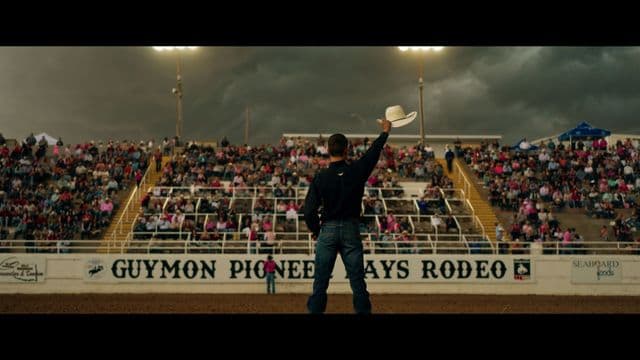
Guymon’s Pioneer Days Rodeo is one of Texas County’s biggest annual engines of attention and spending, not just a once-a-year show for cowboy fans. The event brings in thousands of visitors, more than 900 PRCA contestants, and a five-state stream of traffic that reaches downtown Guymon, local businesses, and the Henry C. Hitch Pioneer Arena that was built to hold it all.
A rodeo born out of hard times
The event’s staying power starts with its origin story. The ProRodeo Hall of Fame traces Pioneer Days to the early 1930s, when Guymon was in the Dust Bowl and local leaders wanted a reason to bring visitors to town and give residents something to celebrate during the Depression. That history still shapes the rodeo’s identity today: it feels less like a standalone ticketed performance and more like a civic project that grew into Texas County’s signature public gathering.
That legacy also explains why the rodeo carries so much weight in Guymon’s public identity. TravelOK describes Guymon as the saddle bronc capital of the world, and the city’s event calendar continues to treat Pioneer Days as one of the town’s defining attractions. For a county that relies on visible markers of place, the rodeo turns local pride into a recognizable brand that can travel well beyond the Oklahoma Panhandle.
What the week looks like in Guymon
Pioneer Days is not limited to the arena. TravelOK describes a full celebration built around the first weekend in May, with a citywide parade, carnival, mercantile craft show, 5K run and walk, barbecue, trail riders, and mutton bustin’ folded into the larger schedule. That mix matters because it spreads the event’s reach beyond rodeo regulars and into families, downtown merchants, volunteers, and civic groups that help fill out the week.
The event’s structure is part of its economic value. Parade crowds and festival traffic move people through Guymon in ways that can benefit hotels, restaurants, vendors, and local storefronts at the same time the rodeo brings in ticket buyers and competitors. In a town where many annual events come and go, Pioneer Days is durable because it creates several points of entry, from morning runs and street events to evening performances at the arena.

Why the arena matters as much as the show
The rodeo’s home base is Henry C. Hitch Pioneer Arena on Sunset Lane, a facility the City of Guymon says was built in the 1960s specifically to host the annual rodeo. The city also says the arena is heated, air-conditioned, and handicap accessible, which gives the venue a practical edge for families, stock contractors, and spectators who need a year-round civic space rather than a temporary fairground.
TravelOK lists the arena address as 1100 N Sunset Ln, Guymon, OK 73942. The city says the venue now handles four or more PRCA and WPRA performances each year, which shows it functions as more than a single-event barn. Its design and repeated use make it one of Guymon’s most important public facilities, especially for an event that depends on comfort, crowd flow, and reliable infrastructure.
A competition with national reach
The rodeo’s scale is what keeps it visible well beyond Texas County. TravelOK says Pioneer Days is one of Oklahoma’s largest outdoor PRCA rodeos, and one listing describes it as Texas County’s biggest event, the 10th largest rodeo in the PRCA by prize money, with over 900 PRCA contestants battling it out with handpicked stock. Another TravelOK description says the event consistently ranks in the top 30 PRCA rodeos for payout, while the Hall of Fame notes prize money has climbed to more than $275,000.
Those numbers help explain why the rodeo draws top athletes from across the country and visitors from a surrounding five-state region. Competitive rodeo money and reputation matter because they bring elite contestants to a small Panhandle town, which in turn gives local audiences a national-level show without leaving home. For Guymon, that combination of prestige and proximity is part of the event’s staying power.
Recognition that reinforces the brand
Pioneer Days has collected more than local affection. The ProRodeo Hall of Fame says the event received the PRCA Large Outdoor Rodeo Committee of the Year award in 2002 and was inducted in 2015. Those markers matter because they place Guymon in the formal history of rodeo, not just in the memories of people who grew up with the event.
That recognition also strengthens the countywide identity attached to the rodeo. When a town can point to Hall of Fame status, a major industry award, and a payout that has risen above $275,000, it gives local boosters something concrete to cite when describing why the event still commands attention. In a region where identity is often tied to agriculture, weather, and distance, Pioneer Days offers a more public stage for the same rugged self-image.
How to understand the event at a glance
The easiest way to approach Pioneer Days is to think of it as a weeklong civic festival anchored by a major PRCA rodeo. The arena is the center of gravity, but the parade, carnival, craft show, barbecue, mutton bustin’, trail riders, and road traffic around downtown Guymon are what make the week feel like a countywide occasion rather than a single performance.
For Texas County, that is the real value of Pioneer Days: it keeps Guymon visible, brings people into town, and turns a Depression-era response to hardship into one of the most recognizable traditions in the Oklahoma Panhandle.
This article was produced by Prism’s automated news system from verified source data, official records, and press releases, then run through automated quality and moderation checks before publishing. The system is built and supervised by the people who set the standards it runs under. Read our full AI policy.
Did this article answer your question?