OSU feature shows prescribed burns help Texas County grasslands and fire training
Prescribed burns can keep Texas County grasslands healthier, lower the fuel that feeds fast grassfires and give landowners a safer, planned way to manage smoke and risk.
Fuel reduction before fire season
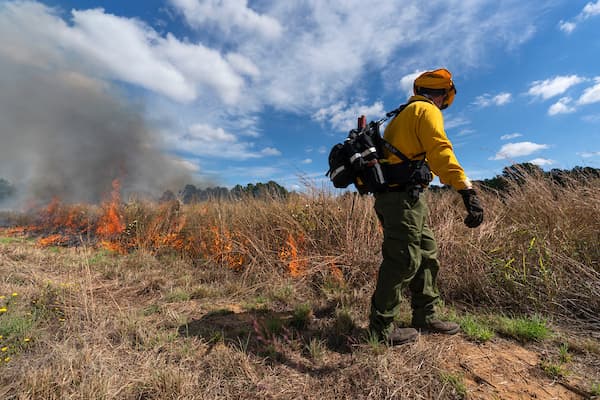
A controlled burn is not a wildfire running loose across the Panhandle. It is a deliberate, tightly planned fire that moves low and steady through grass, leaves a charred surface behind and is used when weather and other conditions make the burn useful instead of destructive. For Texas County, where dry grass, wind and open land can turn one spark into a fast-moving grassfire, that kind of fuel reduction matters before the worst fire weather arrives.
OSU Extension describes prescribed burning as a key land-management practice for restoring and maintaining native plant communities while reducing fuels and wildfire damage. That gives landowners more than a cleanup tool. It offers a way to protect grazing country, improve the resilience of rangeland and make the next fire less likely to outrun a crew or a fence line.
Why the timing matters
The difference between a prescribed burn and a wildfire is not just intention. It is timing, preparation and the weather window chosen for the job. Oklahoma Emergency Management says wildfires are most often caused by human activity when high winds and dry conditions set the stage for severe fires, which is exactly why planned burns are used before those conditions peak.
OSU’s prescribed-fire handbook says fire frequency, intensity and season are second only to precipitation in shaping vegetation response. In practical terms, that means a burn done at the right time can help shape what grows back on the land, while a fire that escapes under the wrong conditions can do the opposite and leave damage behind.
What Texas County gains
The Oklahoma Panhandle lives with a simple reality: grass dries fast, wind moves fast and fire can move faster. In Texas County, prescribed burns can lower the amount of fuel waiting on the ground, support healthier forage for livestock and reduce the odds that a small ignition becomes a costly grassfire.
That is especially important in a county that has already been part of Oklahoma’s active wildfire-response footprint. During the Feb. 17-18, 2026 wildfire event, Oklahoma Forestry Services pre-positioned suppression teams in Beaver County, Texas County, Woodward, Henryetta and Shawnee. The state’s wider fire history also shows how much is at stake, with emergency-management materials saying about 152,294 acres burned in the Feb. 26, 2024 outbreak statewide. Those numbers are a reminder that land management is not an abstract theory in western Oklahoma. It is part of daily risk reduction.
Smoke, neighbors and public health
Prescribed fire works best when smoke is treated as a planning issue, not an afterthought. The Oklahoma Department of Environmental Quality says the state’s Smoke Management Plan is designed to protect public health and safety while minimizing smoke intrusions from wildland and prescribed fire. That matters for nearby homes, school routes, rural roads and anyone with asthma or other respiratory concerns.
The smoke rules also build in coordination. Burn plans must be submitted to local fire departments and, in some areas, local forestry officials, and local fire departments may amend those plans within 72 hours. For property owners, that means a burn should not be treated as a private decision made in isolation. It is a coordinated process that has to fit the broader community, especially when wind carries smoke across county roads and neighboring pastures.
How local burn partnerships make the work safer
One of the most practical ideas in OSU Extension’s materials is the Prescribed Burn Association. It is a partnership of landowners and other local citizens who conduct prescribed fires together. That model matters in rural counties because it shares labor, equipment, experience and local knowledge, the things that often decide whether a burn stays controlled from start to finish.
The broader OSU prescribed-fire program follows the same logic. It focuses on fire-management practices and updates aimed at restoring and conserving ecosystems, not simply putting flames on the ground. John Weir, OSU’s senior extension specialist for fire ecology, has said his interests include safer prescribed burns, smoke-related issues, wildfire preparedness and range management. That mix reflects the real-world balance Texas County landowners need: grass recovery, cattle forage, smoke control and fire prevention all at once.
Students learning the work on the ground
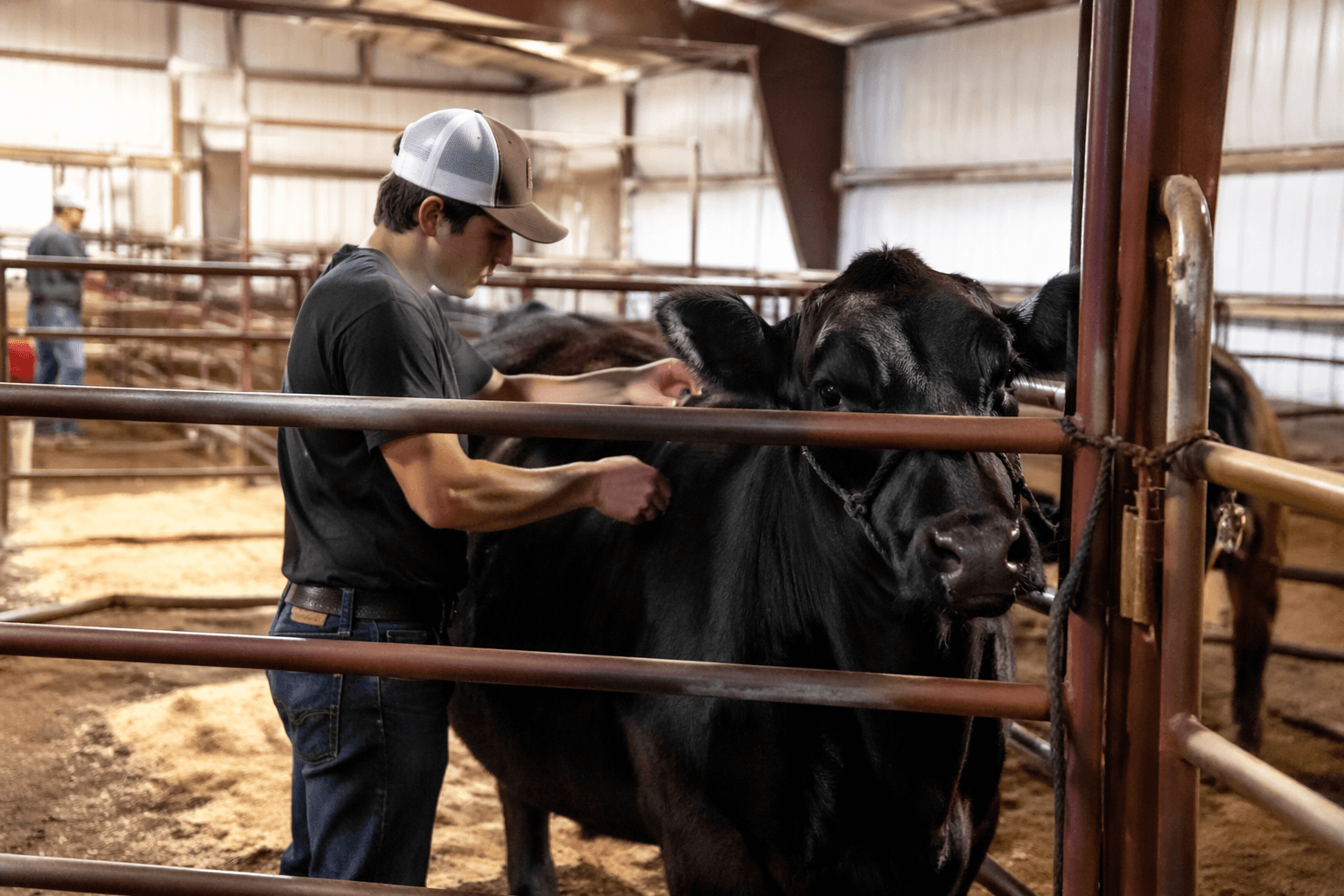
The OSU Cowboy Journal feature also makes clear that prescribed burns are training grounds as well as management tools. Students like Ryan Patton gain practical experience by taking part in burns, learning fire and range ecology in the field rather than only in a classroom. That matters for rural Oklahoma because the next generation of land managers, extension staff and fire professionals will need to understand both the science and the terrain.
For Texas County, that combination of education and stewardship is more than a university story. It is a useful model for how science reaches the fence line. When burns are planned well, coordinated with neighbors and tied to local weather and smoke management, they can restore native grasslands, reduce wildfire risk and make the landscape less vulnerable when the next dry, windy stretch arrives.
A local tool for a recurring problem
Prescribed burning is not a cure-all, but it is one of the few tools that can reduce risk before a fire starts. In a county where grasslands, livestock country and long stretches of open land shape daily life, the choice to burn under controlled conditions can protect both the land and the people who depend on it. For Texas County, that makes prescribed fire less a specialty practice than a practical part of wildfire prevention.
This article was produced by Prism’s automated news system from verified source data, official records, and press releases, then run through automated quality and moderation checks before publishing. The system is built and supervised by the people who set the standards it runs under. Read our full AI policy.
Know something we missed? Have a correction or additional information?
Submit a Tip