Research center helps Texas County farmers adapt to harsh conditions
Goodwell’s research center is helping Texas County producers make tighter calls on water, crops and cattle, with the biggest payoff coming in lower costs and steadier yields.
In Texas County, 866 farms produced $1.164862 billion in market value of products sold in 2022. Even small changes in water use, fertilizer rates or forage yields ripple through the local economy.
Why Goodwell matters to Texas County
The Oklahoma Panhandle Research and Extension Center sits in Goodwell, near the state line, but its reach runs across Texas County’s farm economy in Guymon, the surrounding wheat country and the cattle operations that depend on affordable forage. USDA’s 2022 Census of Agriculture puts Texas County at 1,264,084 acres in farms, with an average farm size of 1,460 acres and net cash farm income of $297,971,000. The center’s work shapes decisions on seed, irrigation, weed control and feed.
Earlier Oklahoma State University highlight reports for the center track work on alfalfa, corn insects, cattle nutrition, cowpeas, soybean and sunflower research. A 2011 highlight put the mission plainly: the center is “committed to serving the people of the region.” In practical terms, that means test plots, field demonstrations and outreach that help producers decide what to plant, when to irrigate and how to stretch every input dollar.
What the center studies, and why producers care
The center’s current research priorities cover the full range of Panhandle production: animal waste management, bermudagrass, biofuels, canola, corn, cotton, crop rotation, feeding distiller’s grains, irrigation and water management, soil fertility, sorghum, soybeans, sunflowers, weed management and wheat. Those priorities mirror the decisions producers in Texas County face each season, from choosing a drought-tolerant crop mix to deciding how much nitrogen or herbicide to apply.
For crop farmers, the payoff often comes through better timing and better matching of inputs to weather and soil conditions. Crop rotation and weed management affect both yield and chemical costs, while soil fertility work can reduce waste when fertilizer prices move higher. For cattle producers, bermudagrass, forage systems and feeding distiller’s grains are not side topics; they shape feed availability, winter rations and the economics of maintaining a herd through a tough year.
Water is still the pressure point
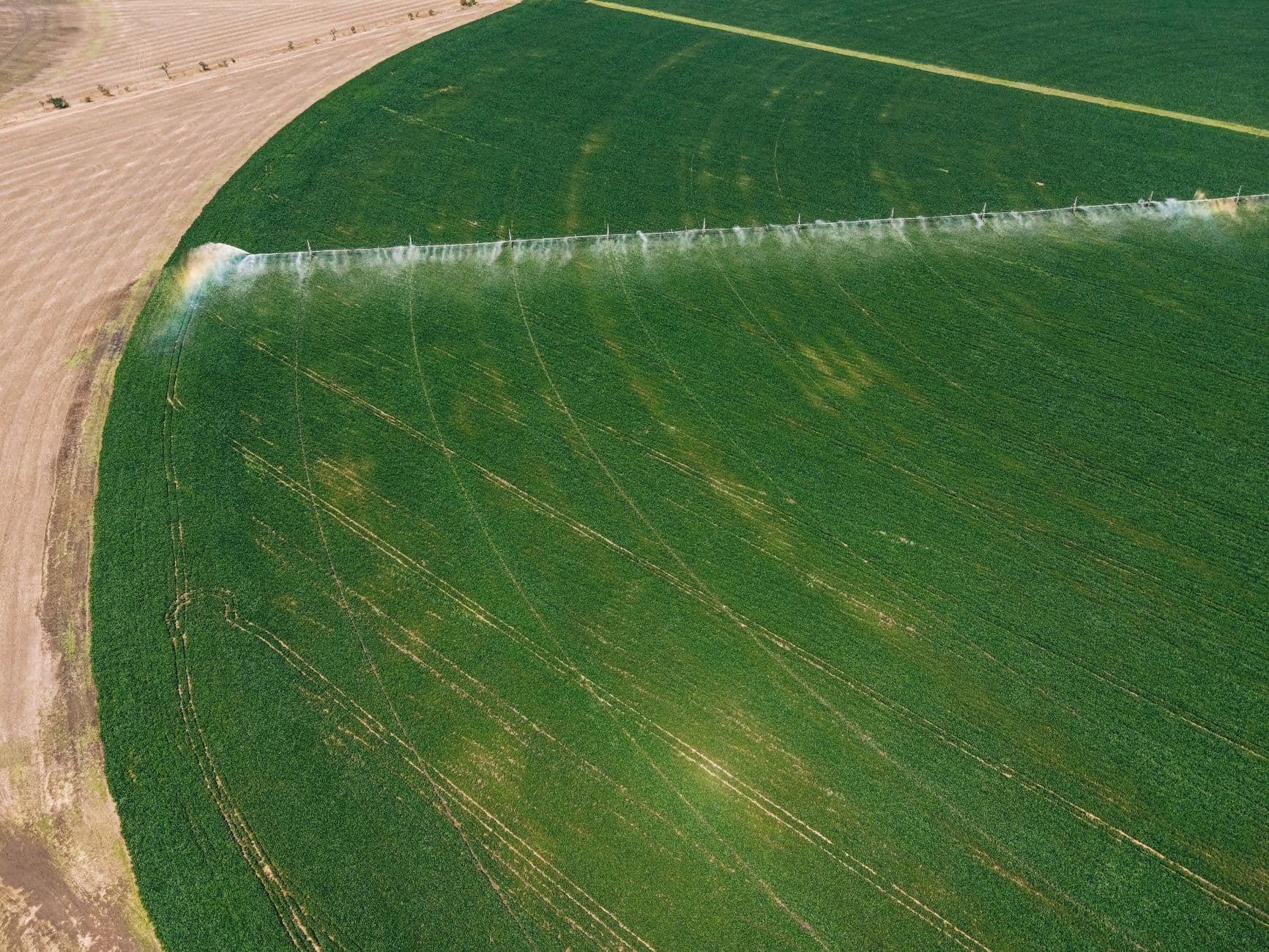
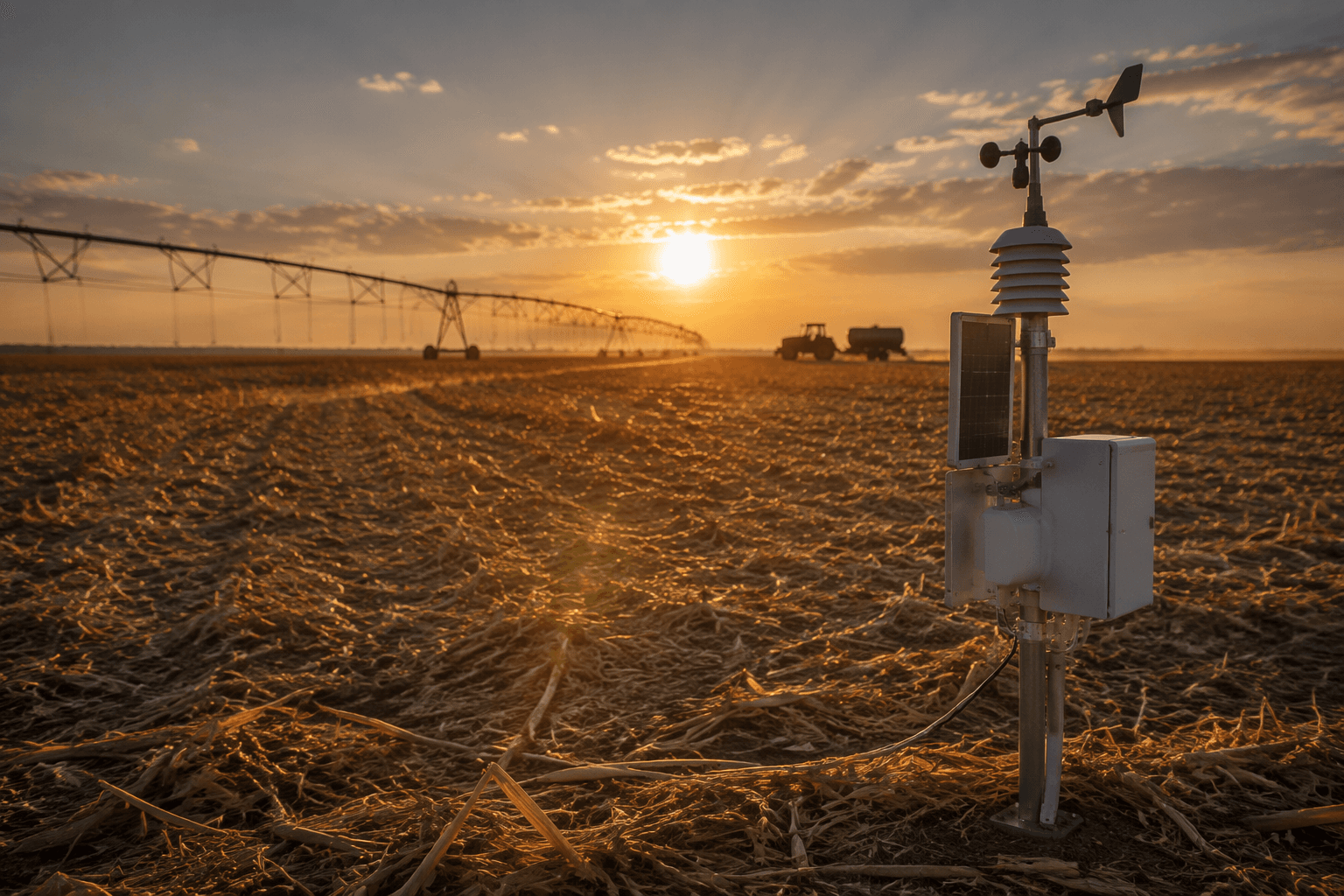
Irrigation research is the most immediate economic issue in the Panhandle because water is the limiting factor in so many planting decisions. OSU Extension’s 2023 survey counted 1,734 farms containing irrigated lands in Oklahoma, covering more than 3.9 million acres. The Oklahoma Panhandle still has access to Ogallala aquifer groundwater to meet irrigation demand during droughts, but that resource is under pressure, and producers know the margin for error keeps shrinking.
In 2024, Guymon interim city manager Michael Shannon said, “We’re running out of water,” a blunt line that captures the tension surrounding High Plains agriculture. The research center gives producers a way to respond before scarcity becomes crisis, whether by improving irrigation efficiency, changing crop mix or using water more strategically across a season.
Panhandle agriculture is tied to groundwater management, and a 2019 SUNUP segment featured OSU Extension Soil & Water Conservation Specialist Jason Warren discussing irrigation efficiency technology in the Oklahoma Panhandle. That technology can lower pumping costs, conserve groundwater and help a crop make it through hot, dry stretches without wasting water.
How research reaches the field
A field and research services unit has worked alongside Oklahoma State University departments and USDA-ARS at the site, which helps turn academic trials into usable recommendations. That structure shortens the gap between a test plot and a decision on a real farm.
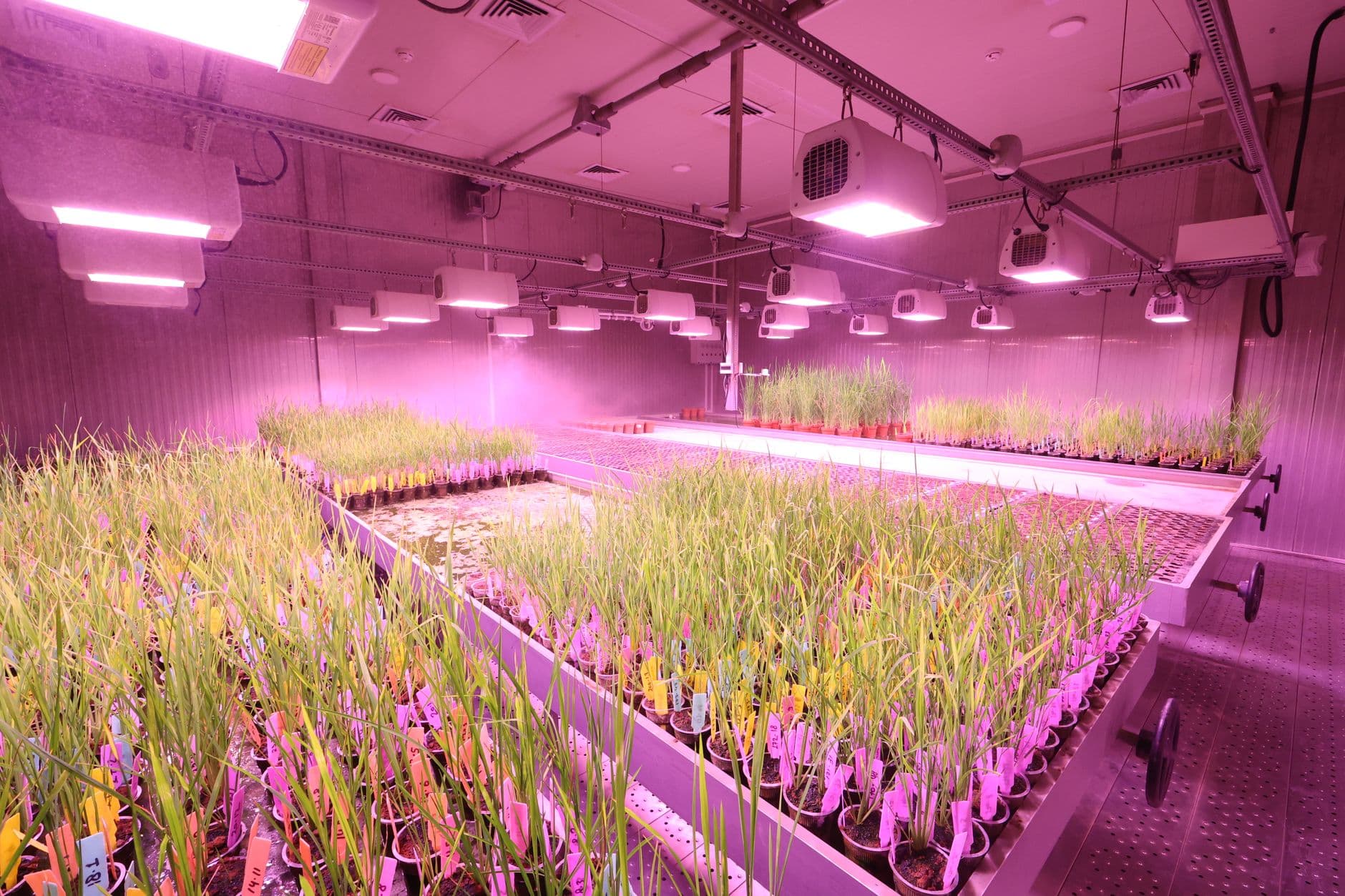
The Panhandle Crops Field Day is scheduled for Aug. 21, 2025 at the Panhandle Research & Extension Center near Goodwell. The program is set to focus on irrigation, cotton, regenerative agriculture in semi-arid areas, cover crops and forage systems, all topics that map directly onto Texas County production choices. A field day like that gives growers a place to compare notes on variety performance, water use and residue management before they commit acres and cash.
The center’s irrigation work also connects to the Oklahoma Master Irrigator Program in Goodwell, which the Oklahoma Conservation Commission designed to deliver both financial and conservation benefits for producers. In a county where irrigation is part of the business model, every acre-foot saved can protect both the farm balance sheet and the aquifer below it.
What this means for crops, cattle and costs
For Texas County producers, the center’s research influences three bottom lines at once: yield, water use and input costs. Wheat, cotton, sorghum, corn, soybeans and sunflowers all compete for land and moisture, and the center’s variety and management work helps decide which crops fit a given field. On the livestock side, bermudagrass, forage systems, cattle nutrition and feeding distiller’s grains affect feed costs and herd performance.
The larger economic effect reaches beyond the farm gate. Better irrigation efficiency can reduce diesel and electricity use for pumping. Stronger crop rotation and soil fertility decisions can trim fertilizer and herbicide bills. More reliable forage production can support cattle numbers even when rainfall is erratic, which helps keep money moving through Guymon and other local ag businesses tied to equipment, feed, trucking and services.
This article was produced by Prism’s automated news system from verified source data, official records, and press releases, then run through automated quality and moderation checks before publishing. The system is built and supervised by the people who set the standards it runs under. Read our full AI policy.
Did this article answer your question?